

When I first stumbled upon a tiny glass jar of fermented rice water in a boutique shop, I thought I’d found a new kitchen hack for my plants. Little did I know I was about to embark on a personal care journey that would rewrite my entire grooming playbook. What started as curiosity turned into a science‑backed, habit‑forming ritual that blends microbiology, minimalism, and a dash of DIY swagger. If you’ve ever felt overwhelmed by the endless aisle of synthetic serums and “miracle” cleansers, stick around. I’m about to show you how to turn the invisible world of microbes into your most reliable personal care ally.
Why the Microbiome Matters More Than You Think
We’ve all heard the buzz about gut health, but the skin and scalp host their own bustling ecosystems of bacteria, fungi, and yeasts. These microscopic communities, collectively known as the dermal microbiome, perform essential jobs: they protect against pathogens, regulate inflammation, and even influence the way our skin ages.
- Barrier Support: Good microbes reinforce the skin’s natural barrier, keeping moisture in and irritants out.
- pH Balance: A balanced microbiome helps maintain a slightly acidic pH (around 5.5), which is hostile to harmful invaders.
- Immune Modulation: Friendly bacteria communicate with immune cells, reducing the likelihood of flare‑ups and allergic reactions.
When you disrupt this delicate balance—through harsh cleansers, over‑exfoliation, or excessive antibacterial products—you invite chaos. Think of it like a neighborhood where the friendly shopkeeper is replaced by a security guard who locks every door, even the ones you need open.
The Probiotic Revolution: From Lab Bench to Bathroom Shelf
Enter probiotics. While they’ve been a staple in yogurt and supplements for decades, their leap into topical care is relatively fresh. Companies are now formulating creams, toners, and even shampoos that contain live cultures or post‑biotic metabolites (the beneficial by‑products of microbes).
What makes probiotic personal care exciting is the concept of dynamic equilibrium. Instead of merely coating your skin with a static layer of ingredients, these products actively interact with your skin’s microbiota, encouraging the growth of good bacteria while keeping the bad guys in check.
DIY Meets Science: Fermented Skincare at Home
Before you dash to the nearest high‑end boutique, you can start a simple fermentation project in your kitchen. Below is my step‑by‑step guide that’s been battle‑tested on mornings when my hair looked like a frizz‑storm and evenings when my skin felt tighter than a drum.
Ingredients & Tools
- Organic rice (or oats, barley, or quinoa for variety)
- Filtered water
- Glass jar with a loose‑fit lid
- Cheesecloth or breathable fabric
- pH test strips (optional but fun)
Process
- Rinse and Soak: Give ½ cup of rice a quick rinse, then soak it in 2 cups of filtered water for 30 minutes.
- Ferment: Transfer the rice and water to the glass jar. Cover with cheesecloth and secure with a rubber band. Let it sit at room temperature for 24‑48 hours. You’ll notice a subtle sour scent—think light kombucha.
- Strain: Separate the liquid from the rice grains using a fine mesh sieve. The liquid is your fermented rice water.
- Store: Pour the liquid into a clean bottle and keep it in the fridge. It’ll stay potent for about a week.
Use the rice water as a final rinse after shampooing, a facial mist, or even a lightweight hair conditioner. The amino acids and vitamins help smooth the cuticle, while the live cultures gently replenish the scalp’s microbiome.
Probiotic Products Worth Your Shelf Space
If DIY isn’t your jam, there are plenty of expertly formulated options that do the heavy lifting for you. Look for ingredients like Lactobacillus ferment, Bacillus subtilis, and post‑biotic peptides such as galacto‑oligosaccharides. Below are three categories I’ve tried and recommend:
- Serums: Light, fast‑absorbing liquids that deliver live cultures directly to the skin barrier. Ideal for morning routines.
- Creams & Moisturizers: These often blend probiotics with humectants like hyaluronic acid for a double‑dose of hydration and microbiome support.
- Scalp Tonics: Formulated with pre‑biotics (ingredients that feed good bacteria) and gentle surfactants, these keep your hair follicles happy without stripping natural oils.
When you’re shopping, pay attention to the packaging. Dark glass bottles and air‑tight seals protect the live cultures from UV damage and oxidation—two villains that can kill the probiotics before they ever meet your skin.
Integrating Probiotic Care Into Your Daily Rhythm
Switching to a microbiome‑friendly routine isn’t about overhauling everything at once. It’s about habit stacking: pairing a new habit with an existing one so the brain forms a seamless loop.
- Morning Wake‑Up: While waiting for your coffee, spritz fermented rice water onto your face. It’s a quick 30‑second ritual that awakens the skin.
- Shower Sync: After shampooing, pour a small amount of the fermented liquid over your scalp. Massage gently—this is where the probiotic magic meets the hair cuticle.
- Evening Wind‑Down: Replace your regular cleanser with a gentle, pre‑biotic wash (look for ingredients like inulin). Follow with a probiotic moisturizer while you scroll through a favorite book.
Consistent timing helps your skin’s microbiome adapt, making the beneficial bacteria more likely to colonize and thrive.
The Data Angle: Tracking Microbiome Success Without Obsessing
If you’re a data‑driven person (like me), you might wonder how to know if the new regimen is actually working. You don’t need a lab; a simple journal can do the trick. Jot down the following variables three times a week:
- Skin texture (smooth, rough, flaky)
- Scalp comfort (itchy, tight, neutral)
- Visible changes (redness, breakouts, shine)
After a month, you’ll see patterns emerge. If you’re curious about a more structured approach, check out Unlocking Your Personal Care Potential with Simple Data Tracking for a deeper dive into low‑effort analytics that keep you motivated without turning your bathroom into a spreadsheet.
Potential Pitfalls and How to Avoid Them
Every new routine has its learning curve. Here are the common missteps and my quick fixes:
- Over‑Fermentation: Letting rice water sit too long can create a strong, unpleasant odor and degrade beneficial compounds. Stick to the 48‑hour max.
- Storing at Warm Temperatures: Probiotics love cool environments. Keep your fermented liquids refrigerated to preserve live cultures.
- Choosing the Wrong Products: Some “probiotic” labels are marketing fluff. Look for transparent ingredient lists that specify the exact strains.
- Neglecting pH Balance: A product that’s too alkaline can disrupt the skin’s acidity. If you’re unsure, a quick dip of a pH strip (target 5‑6) can save you headaches.
Beyond Skin: How a Healthy Microbiome Affects Overall Well‑Being
Recent studies suggest that the skin microbiome communicates with the nervous system via the brain‑skin axis. In simple terms, a balanced dermal ecosystem can reduce stress hormones and improve sleep quality. That’s why I’ve started pairing my nighttime probiotic moisturizer with a short mindfulness session—breathing in the faint scent of my lavender-infused cream feels like a tiny, calming hug for both body and brain.
If you love the idea of integrating sensory experiences into your routine, you might also enjoy Sensory Reset: How Scent and Touch Can Supercharge Your Personal Care Routine. The synergy between scent, touch, and microbial health is a game‑changer I’m still exploring.
The Sustainable Angle: Zero‑Waste Probiotic Care
DIY fermentation not only benefits your skin; it also trims your carbon footprint. No plastic pump bottles, no single‑use sachets—just a glass jar you can reuse forever. For the product‑savvy readers, many brands now offer refill stations for probiotic tonics and serums. Ask your local boutique if they have a “bring‑your‑own‑container” policy.
Putting It All Together: Your First 30‑Day Challenge
Ready to test the waters? Here’s a concise, actionable plan you can follow for the next month.
- Day 1‑5: Prepare a batch of fermented rice water. Use it as a facial mist twice a day.
- Day 6‑10: Introduce a probiotic serum in the morning and a pre‑biotic cleanser at night.
- Day 11‑15: Add the fermented liquid to your post‑shower routine for scalp health.
- Day 16‑20: Start a simple journal tracking skin texture, scalp comfort, and any visible changes.
- Day 21‑30: Review your journal, adjust product choices if needed, and celebrate the small wins (e.g., less redness, more shine).
Remember, the goal isn’t perfection; it’s a gradual shift toward a microbiome‑friendly lifestyle that feels natural, sustainable, and—most importantly—personal.
Final Thoughts: Embrace the Microbial Companion
We’ve been conditioned to think of microbes as invaders, but in the realm of personal care they’re our silent partners. By welcoming them into your routine—whether through a humble jar of fermented rice water or a scientifically engineered probiotic serum—you’re not just cleaning your skin; you’re cultivating an ecosystem that supports resilience, radiance, and a subtle sense of well‑being.
So the next time you reach for that glossy, fragrance‑laden lotion, pause. Ask yourself: “Am I feeding the good guys or just masking the problem?” The answer could change the way you look in the mirror—and how you feel in your own skin.

Tyler Johnson is a seasoned freelance writer with a keen eye for detail and a passion for crafting compelling narratives. His years of experience have honed his ability to adapt his style to suit diverse client needs and project requirements.
Related Posts
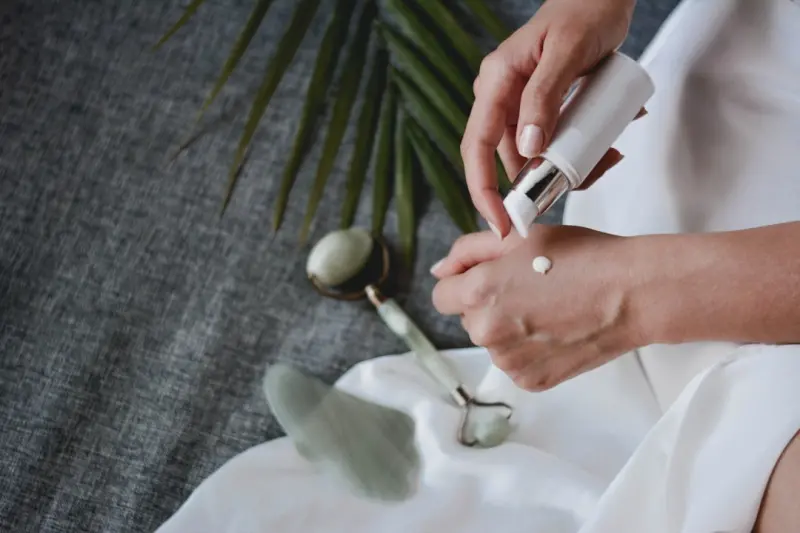
Adaptive Skincare Tech: Turning Routine Into Real‑Time Personal Care
Adaptive skincare technology transforms static personal care habits into responsive rituals, using s... Read More

Illuminating Your Routine: How At‑Home Light Therapy Can Transform Personal Care
Explore the science behind red, blue, and near‑infrared light therapy, learn how to set up a home ... Read More
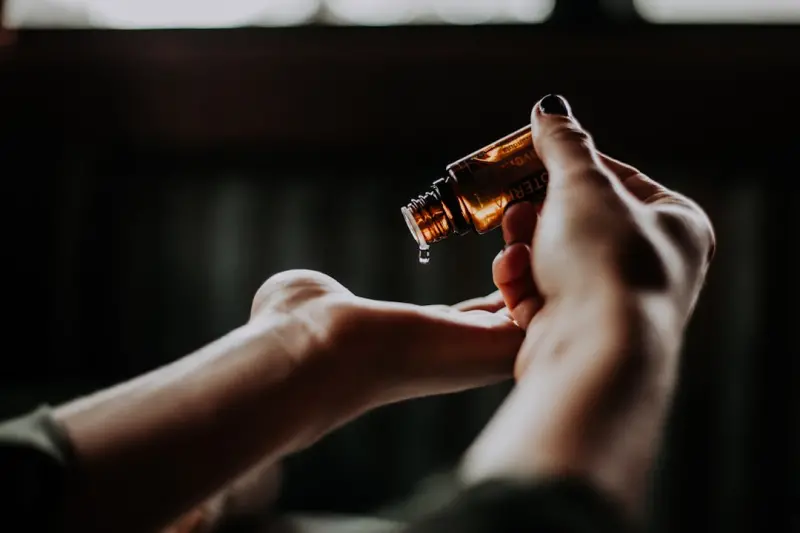
Beyond Soap: How Smart Personal Care is Redefining Daily Rituals
Explore the emerging world of smart personal care, where wearable skin sensors and AI-driven insight... Read More
Top Posts

Auditory Architecture: Designing Soundscapes for Mental Well‑Being
Discover the power of curated soundscapes for mental health, learn science‑backed strategies, and start a 7‑day auditory challenge to boost focus, calm, and...Read More

Beyond the Paycheck: How Skill‑Based Compensation Is Redefining Employment
Discover why traditional salaries are losing relevance and how a skill‑focused pay model can empower workers, retain talent, and drive business growth....Read More

Quiet Corners: Simple Soundproofing Hacks for Every Room
A practical guide to low‑cost soundproofing techniques that transform any room into a quieter, more focused sanctuary, complete with DIY tips, smart solutions...Read More

Beyond the Itinerary: Crafting Meaningful Connections While Roaming the Globe
A fresh look at travel that prioritizes authentic connections over sightseeing, offering practical tips, tech‑smart strategies, and real stories to help you m...Read More
0 Comments
Post Comment
You will need to Login or Register to comment on this post!