
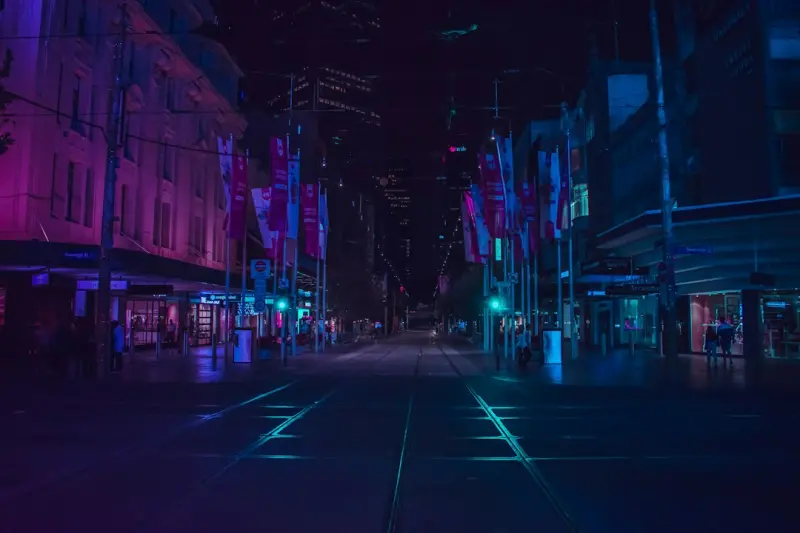
Why the Evening Is the New Frontier for Mental Wellness
When the sun dips below the horizon, the world seems to slow down. Yet for many of us, that’s precisely when our devices light up, notifications ping, and the brain’s “alert” mode stays stubbornly active. The result? A mental tug‑of‑war between the desire for rest and the pull of endless digital input. In my own experience as a remote‑first professional, I’ve watched the evening become the most stressful part of the day, even after a productive morning. The solution, surprisingly, is not more productivity hacks or meditation apps—it’s a disciplined evening tech curfew that signals to our nervous system that it’s time to unwind.
The Science Behind the Sunset Switch
Our bodies run on a circadian rhythm, an internal clock that’s heavily influenced by light. Blue light emitted by phones, laptops, and TVs suppresses melatonin—the hormone that tells us it’s time to sleep. A study from the National Sleep Foundation found that exposure to screens within two hours of bedtime can delay sleep onset by up to 90 minutes and reduce overall sleep quality.
But the impact goes beyond sleep. Chronic exposure to bright screens at night keeps the sympathetic nervous system (the “fight‑or‑flight” branch) engaged, raising cortisol levels and heightening anxiety. Over weeks, this pattern can erode emotional resilience, making us more prone to mood swings, irritability, and even depressive symptoms.
Simply put: the evening is a critical window for resetting the brain’s stress circuitry. By establishing a predictable tech curfew, we give the parasympathetic system—a.k.a. the “rest‑and‑digest” mode—a chance to take the wheel.
Designing Your Personal Evening Tech Curfew
Creating a curfew doesn’t have to feel like a punitive ban. Think of it as a gentle ritual that honors your need for both connection and calm. Below is a step‑by‑step framework you can tailor to your lifestyle:
- Pick a Cut‑Off Time: Choose a realistic time—often between 7 p.m. and 9 p.m.—when you’ll stop using screens that emit blue light. For many, 30 minutes before the chosen time, you’ll begin a “wind‑down” phase.
- Signal the Shift: Use a physical cue, such as dimming the lights, lighting a scented candle, or playing a soft ambient playlist. This cue conditions your brain to associate the environment with relaxation.
- Swap Devices for Sensory Rituals: Replace scrolling with low‑stimulus activities: journaling, reading a printed book, gentle stretching, or practicing office breathwork techniques that you can easily adapt for home.
- Create a Tech‑Free Zone: Designate a part of your home—ideally the bedroom—as a screen‑free sanctuary. Store devices in a drawer or a charging station outside the room.
- Plan a “Digital Sunset” Review: Before your curfew, take five minutes to glance at essential messages, set out tomorrow’s priorities, and then close the laptop for good.
Micro‑Transitions: The Power of Small Shifts
One mistake many people make is treating the curfew as a single, abrupt switch. Our brains appreciate gradual transitions. Consider integrating a micro‑transition sequence:
- 10 minutes before curfew: Reduce screen brightness, enable “night mode,” and silence notifications.
- 5 minutes before curfew: Begin a simple breathing exercise—inhale for four counts, hold for four, exhale for six. This primes the nervous system for relaxation.
- Curfew moment: Physically put devices away, close the laptop lid, and switch to a non‑digital activity.
This staggered approach reduces the shock factor, making the habit easier to maintain over weeks.
When the Curfew Feels Impossible: Strategies for the Relentless Connector
For those whose jobs demand after‑hours responsiveness, a hard cutoff might seem unrealistic. Here are a few compromise tactics:
- Dual‑Device System: Keep a secondary “work‑only” phone that you can mute after a certain hour, while the primary device remains off‑limits.
- Scheduled “Do‑Not‑Disturb” Windows: Most smartphones allow custom DND schedules. Pair this with an auto‑reply stating you’ll respond in the morning.
- Delegate Night‑Watch: If you lead a team, rotate night‑monitor responsibilities. This not only protects your mental health but also fosters a culture of shared responsibility.
Complementary Practices That Amplify the Curfew’s Benefits
While the tech curfew is the centerpiece, pairing it with other evidence‑based habits creates a synergistic effect.
1. Narrative Self‑Compassion
Our internal dialogue often spirals after a day of relentless alerts. By consciously rewriting the story we tell ourselves—acknowledging that it’s okay to disconnect—we reinforce the curfew’s purpose. Explore the concept of narrative self‑compassion practice to build emotional resilience.
2. Ambient Soundscapes
Replace the hum of notifications with calming soundscapes: gentle rain, distant waves, or low‑frequency binaural beats. These auditory cues can lower heart rate and improve sleep latency.
3. Light Management
Invest in a smart bulb that shifts to amber or warm white after sunset, mimicking natural twilight. Alternatively, wear blue‑light‑blocking glasses during the wind‑down period.
4. Gentle Movement
Incorporate a short yoga flow or a series of neck and shoulder rolls. Physical movement releases tension stored in the body, making the mind more receptive to relaxation.
Tracking Progress Without the Pressure of Numbers
Many wellness programs rely on data dashboards—step counts, sleep scores, heart‑rate variability. While these metrics can be motivating, they can also become another source of stress. For the evening tech curfew, a simple, low‑tech journal works best. Record:
- The time you initiated the curfew.
- How you felt immediately after (e.g., “calm,” “restless”).
- Sleep quality the next morning (rating 1‑5).
- Any mental fog or irritability noted during the day.
After a month, review the entries. You’ll likely notice patterns: nights with a firm curfew correlate with sharper focus the next day, while “late‑night scrolling” nights precede mood dips.
Addressing Common Objections
“I’ll miss out on important messages.” – Set clear expectations with colleagues and family. A quick note informing them of your curfew creates a shared boundary.
“I rely on my phone for alarms.” – Use a traditional alarm clock or a dedicated bedside device that doesn’t have the distractions of a smartphone.
“It feels lonely without digital connection.” – Replace the habit with a tangible one: a puzzle, a sketchbook, or a brief conversation with a partner before lights out.
Case Study: From Burnout to Balanced Evenings
Emma, a senior product manager at a fintech startup, struggled with evening anxiety after a particularly demanding quarter. She reported feeling “wired” even after 10 p.m., leading to fragmented sleep and daytime irritability. After implementing a 7:30 p.m. tech curfew, she added a five‑minute breathwork session and swapped her last hour of scrolling for a paper novel.
Within three weeks, Emma logged a 30‑minute reduction in sleep latency and a noticeable dip in evening cortisol (as measured by a home test kit). Her self‑reported stress level dropped from 8/10 to 4/10, and she felt more present during morning meetings. Emma’s story underscores how a simple boundary can cascade into broader mental health improvements.
Scaling the Curfew Across Teams
Leaders who champion the evening tech curfew can foster a healthier organizational culture. Here are actionable steps for managers:
- Model the Behavior: Turn off your own notifications at the agreed time. Teams notice leadership actions more than policies.
- Encourage Shared Calendars: Block “focus‑free” windows after hours, signaling to all that the time is reserved for rest.
- Provide Resources: Offer subscriptions to mindfulness apps that include wind‑down audio tracks, or distribute blue‑light‑blocking glasses.
- Celebrate Small Wins: Recognize individuals who consistently respect their curfew—perhaps with a “Digital Sunset Champion” badge.
When the entire team respects a collective evening boundary, the spill‑over effect includes lower burnout rates, higher engagement, and even improved creativity during the next workday.
Looking Ahead: The Future of Evening Wellness
Technology itself is evolving to support our need for downtime. Emerging devices can detect circadian rhythm markers and automatically shift to “night mode” without user input. Companies are experimenting with digital sunset APIs that sync across devices, ensuring a unified curfew experience. While we await these innovations, the most powerful tool remains our own intention.
By consciously deciding when to step back, we reclaim agency over our mental landscape. The evening, once a battlefield of alerts, can become a sanctuary of calm—an essential foundation for thriving in an always‑on world.

Steph Sanderson is a Toronto-based freelance writer and content creator with a clear passion: crafting compelling articles. With a dedication to clear, engaging prose and a knack for storytelling, Steph brings a wealth of experience to every project.
Related Posts
Micro‑Moments of Joy: Rewiring Stress with Tiny Positive Experiences
Learn to harness brief, positive moments throughout the day to rewire stress pathways, boost resilie... Read More
Embracing Controlled Boredom: A Counterintuitive Path to Mental Clarity
Learn why deliberately stepping into low‑stimulus moments can reset your brain, improve emotional ... Read More
Seeing, Hearing, and Pausing: A Triple‑Threat Strategy for Everyday Mental Wellness
Learn how to turn your workspace into a sensory ecosystem using calming colors, soothing soundscapes... Read More
Top Posts

Unlocking the Power of Your Body Clock: A New Playbook for Peak Health
Learn practical, science‑backed strategies to sync your daily routine with your internal clock, improving sleep quality, metabolism, and long‑term health....Read More

Turn Every Trip into a Skill‑Boosting Adventure
Travel isn’t just a break—it’s a living laboratory. Learn how to use layovers, local interactions, and curiosity‑driven experiments to build new skills ...Read More
From My Cubicle to a Garden Oasis: How an Outdoor Desk Redefined My Home Life
A personal journey from cramped cubicles to a garden oasis, revealing how an outdoor desk can transform home life, health, and productivity....Read More

Why Reverse Mentorship Is the Secret Weapon for Modern Employers
Reverse mentorship flips traditional learning on its head, pairing senior leaders with junior talent to exchange fresh insights, tech fluency, and cultural awar...Read More
0 Comments
Post Comment
You will need to Login or Register to comment on this post!