
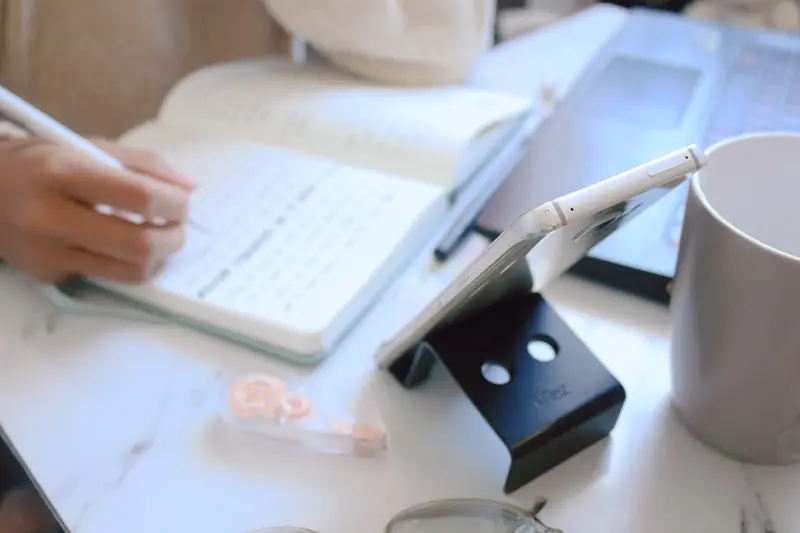
Redefining Personal Care for the Remote Professional
When the commute disappears and the office becomes a kitchen table, the rituals that once framed our mornings start to feel optional. That’s a dangerous mindset. Personal care isn’t just about looking good; it’s a strategic lever for mental clarity, confidence, and sustainable performance. In this piece I’ll walk you through a fresh framework that turns everyday grooming into a high‑impact habit system, built on science, sustainability, and a dash of modern technology.
1. The Environment‑First Approach: Your Space Is Your Skin
Think of your workspace as an extension of your epidermis. Air quality, lighting, and even acoustic ambience affect the skin’s barrier function, hormone balance, and stress response. While many articles focus on ergonomic chairs or standing desks, few connect those elements to personal care outcomes.
- Airborne pollutants – Dust and volatile organic compounds (VOCs) can clog pores and accelerate oxidative stress. A simple air purifier or a houseplant that filters toxins (like a peace lily) can make a measurable difference.
- Light spectrum – Blue‑light exposure from screens disrupts melatonin and can trigger inflammation. Investing in a blue‑light filter for your monitor and using a warm‑tone lamp after sunset helps protect skin integrity.
- Soundscape – Background noise spikes cortisol, which in turn can lead to breakouts. Enhancing acoustic comfort isn’t just about focus; it’s also a hidden skin‑care tactic. For practical upgrades, see Boost Focus at Home with Simple Acoustic Upgrades.
When you align your environment with the needs of your skin, you set the stage for the rituals that follow.
2. Micro‑Temperature Therapy: Cold Showers, Warm Face Splashes, and the Science Behind Them
Temperature is a surprisingly potent cue for both physiological alertness and skin health. A brief, controlled exposure to cold can:
- Constrict blood vessels, temporarily reducing inflammation and puffiness.
- Trigger a surge of norepinephrine, a neurotransmitter that sharpens focus and mood.
- Activate brown‑fat metabolism, which helps maintain a healthier body composition.
Here’s a practical routine that takes less than five minutes:
- Morning splash – Fill a bowl with cool water (around 15 °C). Submerge your face for 30 seconds while breathing deeply. This wakes up the micro‑circulation and leaves you feeling refreshed.
- Cold‑shock shower – After your regular warm shower, finish with 30 seconds of cold water over your scalp and shoulders. The contrast stimulates the scalp’s oil glands, reducing dandruff and promoting shine.
- Evening wind‑down – A lukewarm foot soak (38 °C) for five minutes helps lower core temperature, signaling your body to release melatonin and prepare for sleep.
These micro‑temperature cues are low‑tech, low‑cost, and surprisingly effective for both skin tone and mental acuity.
3. Sustainable Grooming: Choosing Products That Respect the Planet and Your Pigment
Eco‑friendly personal care isn’t a niche trend; it’s becoming a baseline expectation for discerning professionals. The hidden cost of conventional products—micro‑plastics, palm‑oil sourcing, and synthetic fragrances—shows up on your skin as irritation and on the planet as pollution.
Key criteria for a sustainable grooming kit:
- Ingredient transparency – Look for brands that publish full ingredient lists and source certifications (e.g., USDA Organic, COSMOS).
- Packaging innovation – Refillable containers, biodegradable wrappers, and post‑consumer recycled plastics dramatically cut waste.
- Performance parity – Sustainable doesn’t mean “less effective.” Many botanical actives (green tea, niacinamide, bakuchiol) match or surpass synthetic counterparts.
Switching to a sustainable routine can also improve skin health because you eliminate harsh surfactants and synthetic preservatives that disrupt the skin barrier.
4. Digital Health Tools: AI‑Powered Skin and Hair Analysis
Technology is no longer limited to spreadsheets and video calls; it’s now an ally in personal care. AI‑driven apps can analyze skin tone, hydration levels, and hair porosity from a simple selfie, then recommend product combos tailored to your unique profile.
These platforms typically use:
- Computer‑vision algorithms that detect fine lines, redness, and oil zones.
- Machine‑learning models trained on dermatological datasets to predict future concerns.
- Integration with e‑commerce APIs that auto‑populate your cart with the suggested items.
When selecting an app, prioritize those that emphasize data privacy and provide evidence‑based recommendations. For a broader view of how AI is reshaping the workplace, check out How AI Is Redefining Corporate Culture from the Inside Out.
5. Desk‑Bound Micro‑Massage: Simple Tools for Circulation and Stress Relief
Hours of sitting compress the micro‑vasculature in the neck, shoulders, and hands. A brief micro‑massage can restore flow, reduce tension headaches, and even improve lymphatic drainage, which translates to clearer skin.
Recommended tools:
- Hand‑held percussion massager – A lightweight device with adjustable intensity; use for 30‑second bursts on the trapezius and forearms.
- Silicone facial rollers – Roll upward and outward to promote venous return; combine with a few drops of facial oil for added glide.
- Acupressure rings – Slip onto fingers and gently press on pressure points during a call; it stimulates reflex pathways that calm the nervous system.
Incorporate a micro‑massage session after each major work block (e.g., after a 90‑minute sprint) to reset both posture and skin tone.
6. Building a Cognitive‑Boosting Personal Care Routine
Now that the environmental, temperature, sustainability, tech, and movement elements are covered, let’s stitch them together into a repeatable daily schedule that fuels focus and confidence.
- Wake‑up (5 min) – Cold face splash + 2 minutes of diaphragmatic breathing.
- Shower (10 min) – Warm cleanse, followed by 30‑second cold finish.
- Product application (5 min) – Use a lightweight, antioxidant‑rich serum (vitamin C or ferulic acid) and a moisturizer with ceramides. Choose formulas from sustainable brands.
- Desk set‑up (2 min) – Verify acoustic panels are in place, air purifier on, and blue‑light filter engaged.
- Mid‑morning micro‑massage (2 min) – Hand‑held percussion on shoulders.
- Lunch break (15 min) – Quick walk outdoors, if possible, to expose skin to natural light and boost vitamin D.
- Afternoon refresh (3 min) – Use a facial roller while reviewing your calendar to maintain circulation.
- Evening wind‑down (10 min) – Warm foot soak, followed by a short AI‑guided skin assessment to note any changes.
Consistency is the secret sauce. By treating each component as a non‑negotiable habit, you transform personal care from an afterthought into a strategic performance enhancer.
7. The Long‑Term Payoff: Confidence, Health, and Career Momentum
Personal care is often dismissed as “soft” in the corporate world, yet it directly influences the “hard” metrics of productivity and creativity. When you look polished, you signal self‑respect; when you feel physically comfortable, you’re more inclined to take calculated risks and engage in collaborative dialogue.
Beyond the immediate boost, these habits compound over months. Clear skin, steady energy, and a calm demeanor become part of your professional brand. In remote or hybrid settings, where visual cues are limited, that brand can be a decisive factor in earning trust, securing leadership opportunities, and navigating internal mobility.
Conclusion: Personal Care as a Competitive Edge
In a world where digital fatigue and environmental distractions are the norm, the simplest, most intentional personal care practices can be a hidden competitive advantage. By engineering your environment, leveraging micro‑temperature cues, opting for sustainable products, integrating AI insights, and adding brief movement breaks, you create a self‑care ecosystem that fuels both skin health and cognitive performance.
Adopt this framework, iterate based on your own data, and watch the ripple effects cascade through your work, relationships, and overall wellbeing.

Paul Flynn is a versatile freelance writer equipped with a diverse skillset and a portfolio that reflects his wide-ranging interests and expertise. From crafting compelling website copy and engaging blog posts to delivering in-depth articles and meticulously researched reports, Flynn demonstrates a remarkable ability to adapt his writing style to suit various audiences and purposes.
Related Posts

Heat‑Infused Personal Care: Turning Warmth Into Your Daily Wellness Ally
Discover the science and practical steps behind using everyday heat tools—from warm washcloths to ... Read More
Elevate Your Daily Grooming: Tiny Rituals for Big Confidence
Learn to turn everyday grooming into a confidence‑building ritual with time‑boxed bursts, scentâ... Read More
Hybrid Work, Hybrid Self: Crafting a Personal Care Routine That Works Anywhere
Discover a practical, adaptable personal care system for the hybrid work lifestyle—quick micro‑z... Read More
Top Posts

When AI Becomes Your Customer Success Co‑Pilot
AI is shifting customer success from reactive support to proactive partnership. By using predictive health scores, real‑time dashboards, and AI‑generated ou...Read More

Breathing the City: How Conscious Air Can Transform Urban Health
In the bustling city, a simple, conscious breath can become a powerful tool for health. Rose DesRochers shares practical breathwork techniques, tech integration...Read More
Simplify Your Personal Care for a Radiant Glow
A personal care routine doesn’t need to be complex. Learn how to streamline your steps, focus on texture, and redesign your space for lasting glow and well‑...Read More

The Unspoken Currency of Workplace Transparency: How Open Data Drives Employee Engagement
Transparency isn’t just a buzzword; it’s the daily currency that fuels engagement. Discover practical steps to embed open data, decision rationale, and feed...Read More
0 Comments
Post Comment
You will need to Login or Register to comment on this post!