
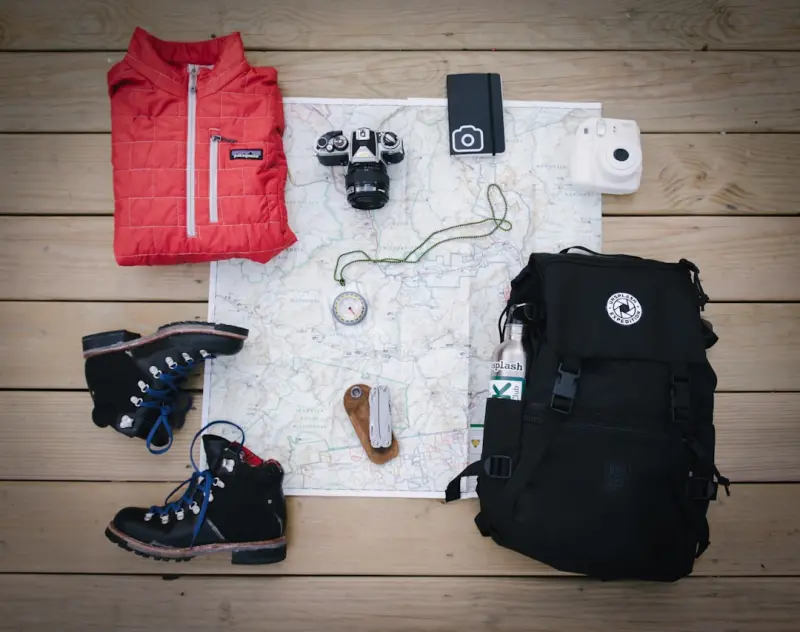
Why Minimalist Packing Matters
There’s a peculiar thrill in stepping onto a train, plane, or ferry with just a single bag slung over your shoulder. It’s not merely the physical lightness that feels freeing—it’s the mental declutter that follows. When the weight of excess gear drops, so does the anxiety of “what if I forgot something?” I’ve spent countless hours wrestling with over‑packed suitcases, only to discover that the very things I thought were essential became the anchors that kept me from truly immersing myself in the journey.
The Core Philosophy of Travel Minimalism
At its heart, travel minimalism is about intentionality. It asks you to ask three simple questions before you zip up any bag:
- Purpose: What experiences am I chasing? A hike, a culinary tour, a conference?
- Versatility: Which items can serve multiple roles?
- Emotion: Does this item add joy, or is it simply a habit?
When I first read turn your layovers into mini‑adventures, the idea of turning every fragment of travel time into something purposeful resonated. Minimalism takes that a step further: every piece you carry should be a catalyst for adventure, not a liability.
Step‑by‑Step Packing Blueprint
Below is the exact method I use, refined after dozens of trips ranging from backpacking the Andes to attending tech summits in bustling metros.
- Choose the Right Bag. A 30‑40 L carry‑on that meets airline size restrictions is ideal. Look for compartments that zip shut, a dedicated laptop sleeve, and a waterproof front pocket.
- Start with a Capsule Wardrobe. Select four tops, two bottoms, one dress (if you wear them), and two layers. Choose neutral colors that mix‑and‑match effortlessly. Tip: a merino wool shirt can be a base layer, a casual tee, and a light sweater.
- Consolidate Toiletries. Use travel‑size silicone bottles and a solid shampoo bar. The microbiome‑friendly personal care movement reminds us that less is often kinder to both skin and the planet.
- Tech Essentials Only. Smartphone, charger, a compact power bank, and noise‑cancelling earbuds. If you need a laptop, opt for a 13‑inch model that fits snugly into the bag’s sleeve.
- Multi‑Purpose Gear. A scarf that doubles as a blanket, a tote that transforms into a daypack, and a reusable water bottle that folds flat.
- Pack the Heaviest Items First. Shoes go at the bottom, wrapped in a shower cap to protect clothes. This ensures balance and frees up space for softer items on top.
- Roll, Don’t Fold. Rolling reduces wrinkles and maximizes volume. For delicate fabrics, use packing cubes with a gentle compression feature.
Gear That Multitasks
Choosing gear that serves several functions is the secret sauce of minimalism. Here are a few of my go‑to items:
- Convertible Travel Pants. Zip off the lower leg to become shorts—perfect for fluctuating climates.
- Hybrid Travel Pillow. Inflates to a neck pillow or collapses into a lumbar support for long bus rides.
- Compact Travel Journal. A pocket‑sized notebook that doubles as a sketch pad, itinerary tracker, and emergency contact list.
The Psychology of Carry‑On Freedom
When you’re not tethered to a rolling suitcase, you’re more likely to wander off the beaten path. I once booked a last‑minute train to a coastal town because I could simply slip my bag onto the overhead rack and hop off at the next stop. That spontaneous detour led to a sunrise surf session, a sunrise‑filled conversation with a local fisherman, and a story that still fuels my travel talks.
Research shows that reduced luggage correlates with higher levels of mental resilience. The act of simplifying your physical load mirrors a mental decluttering, making room for curiosity and openness.
Turning Light Luggage into Rich Experiences
Minimalist packing isn’t about sacrificing comfort; it’s about amplifying experience. With less weight, you can:
- Walk farther without fatigue, discovering hidden cafés or tucked‑away murals.
- Take public transport confidently, knowing you can stow your bag overhead.
- Adapt to sudden itinerary changes—whether a unplanned detour or an unexpected local festival.
Case Study: My Week‑Long Solo Trip to Portugal
To illustrate, here’s a snapshot of a recent adventure where my 3 kg pack became the ultimate travel ally.
- Day 1 – Lisbon: I arrived, stashed my bag in a hostel locker, and walked the Alfama district. The lightweight bag let me hop onto a tram without a second thought.
- Day 2 – Sintra: A spontaneous train ticket got me to the palaces. I used my scarf as a makeshift blanket during a rainy afternoon tea.
- Day 3 – Porto: I rented a bike and cycled along the Douro River. The compact rain jacket folded into my tote when the drizzle turned to sunshine.
- Day 4 – Douro Valley: A local vineyard offered a private tasting. My reusable bottle filled with the region’s crisp white, eliminating single‑use plastic.
- Day 5 – Coimbra: I attended a lecture at the university. My 13‑inch laptop slipped into the bag’s sleeve, and I took notes in my travel journal.
- Day 6 – Algarve: A beach day required only a towel (packed inside my bag) and sunscreen. The bag’s waterproof front pocket kept my phone dry while I swam.
- Day 7 – Return: With only a few souvenirs, I breezed through security, feeling lighter than when I’d left home.
The trip proved that a streamlined bag can be the catalyst for spontaneity, sustainability, and deeper connection with each locale.
Sustainable Travel Benefits
Minimalism aligns beautifully with responsible tourism. Packing less means:
- Reduced carbon footprint from manufacturing fewer items.
- Less waste, especially when you opt for reusable containers and refillable toiletries.
- A conscious mindset that respects local resources—whether it’s choosing a refillable water bottle over single‑use plastics or selecting garments made from eco‑friendly fibers.
Common Pitfalls and How to Avoid Them
Even the most seasoned minimalists stumble. Here’s a quick diagnostic list:
- “I might need this someday.” – Counter with the rule: if you haven’t used it in the last year, you won’t need it on the road.
- Over‑packing “just in case.” – Replace with a digital backup: photos of important documents, cloud‑stored itineraries, and a QR code for emergency contacts.
- Ignoring local climate. – Research weather trends and pack versatile layers rather than a full seasonal wardrobe.
- Neglecting bag durability. – Invest in a high‑quality carry‑on that can withstand rough handling. A cheap bag can become a heavy, broken burden mid‑trip.
Your Personal Minimalist Travel Checklist
Print this out or save it on your phone before your next departure:
- Bag: 30‑40 L carry‑on with waterproof front pocket.
- Clothing: 4 tops, 2 bottoms, 1 dress (optional), 2 layers, 1 pair of convertible pants/shorts.
- Footwear: 1 pair of comfortable walking shoes, 1 pair of flip‑flops or sandals.
- Toiletries: 3 travel‑size silicone bottles, solid shampoo bar, toothbrush, toothpaste tablet.
- Tech: Smartphone, charger, 13‑inch laptop, earbuds, power bank.
- Multi‑purpose gear: Scarf/blanket, reusable water bottle, compact journal.
- Documents: Passport, digital copies of tickets, insurance, emergency contacts.
- Health kit: Small first‑aid kit, any prescription meds, a few masks.
- Optional: Lightweight rain jacket, travel‑size laundry detergent packets.
Remember, the goal isn’t to travel with nothing—it’s to travel with only what amplifies your experience.
Final Thoughts: Light Luggage, Heavy Memories
Travel minimalism is a practice, not a one‑time checklist. Each trip teaches you a new nuance about what truly matters. The next time you stand at the airport, glance at your sleek carry‑on, and feel the gentle tug of freedom, know that you’re not just traveling lighter—you’re making space for richer stories, deeper connections, and a more sustainable world.

Miranda Murphy: Experienced freelance writer with a decade of storytelling expertise. Let's create something amazing together!
Related Posts
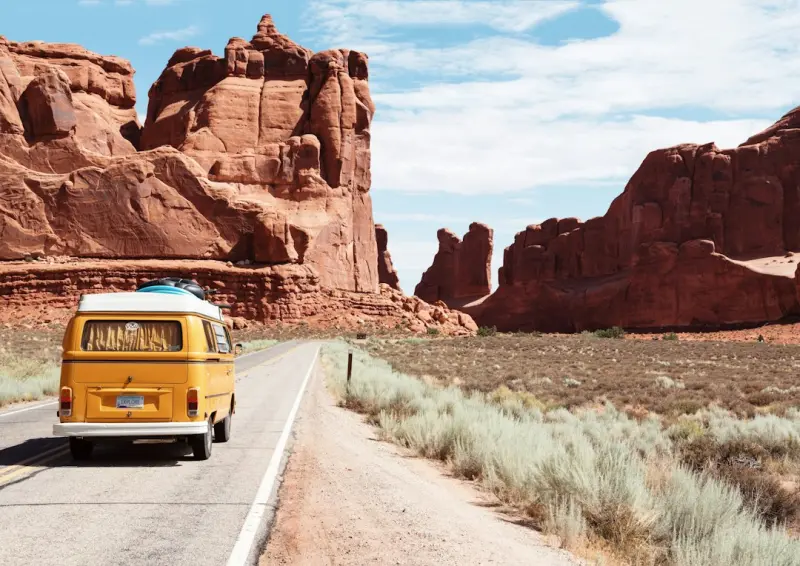
Culinary Pilgrimages: Mapping Your Food Journey Across Continents
Discover how to turn travel into a food‑focused pilgrimage, with tips on mapping flavor routes, sm... Read More

The Uncharted Rhythm: Crafting a Travel Experience That Plays Like a Personal Playlist
Explore a fresh travel approach that blends curated soundtracks, regional flavors, train journeys, a... Read More

Beyond the Guidebook: Crafting Spontaneous Microadventures on a Tight Schedule
Explore the rise of microadventures: quick, affordable escapes that turn everyday moments into unfor... Read More
Top Posts

The Power of Narrative Breathing: Turning Everyday Moments into Health Boosters
A fresh take on health: learn a simple three‑step breathing framework that blends rhythm, storytelling, and science to transform everyday stress into calm, fo...Read More

Elevate Your Yard: The Ultimate Guide to Vertical Gardening
Turn blank walls and fences into productive, beautiful vertical gardens with our step‑by‑step guide, covering plant choices, DIY structures, irrigation, and...Read More

When AI Learns to Listen: Building Empathetic Machines
A deep dive into designing AI that truly listens, covering prompt engineering, real‑world use cases, ethical guardrails, and a practical framework for buildin...Read More
Quieting the Mind: A Digital Minimalism Blueprint for Mental Clarity
A step‑by‑step guide to cutting digital clutter, using micro‑movements and community walking to restore mental calm and sharpen focus....Read More
0 Comments
Post Comment
You will need to Login or Register to comment on this post!