
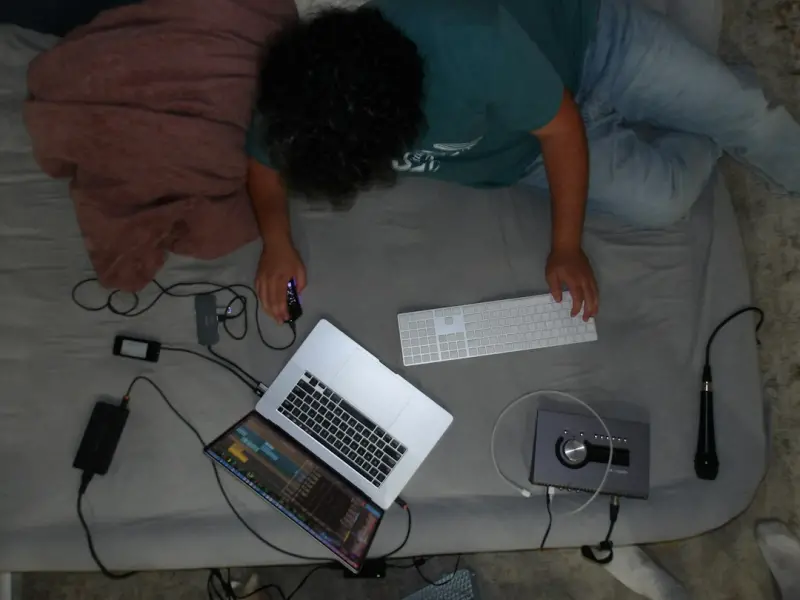
Remote‑Ready Adventures: Turning Work‑From‑Anywhere Into Real Exploration
When the office finally shed its four‑wall monopoly and the world opened up to a permanent work‑from‑anywhere mindset, I found myself standing at a crossroads: How do I keep the momentum of my career while finally giving my wanderlust a legitimate excuse? The answer, I realized, isn’t about squeezing a few sightseeing spots into a tight schedule or turning every hotel stay into a conference call. It’s about redesigning the very concept of a “vacation” so that professional growth, cultural immersion, and personal rejuvenation coexist in a single, fluid experience.
In this post, I’m peeling back the layers of remote‑ready travel—a strategy that blends the best of purposeful work, intentional leisure, and community‑building. You’ll discover how to choose destinations that boost creativity, structure your days to honor both deadlines and daylight, and leverage technology to stay productive without feeling tethered. Along the way, I’ll share actionable frameworks that have helped me turn a two‑week stint in Lisbon into a month‑long deep‑dive into European design thinking, and a spontaneous surf‑break in Bali into a collaborative sprint with a cross‑continental product team.
The Mindset Shift: From “Escaping” to “Integrating”
Most travel advice still frames the journey as a break from work—a period where emails are silenced, notifications muted, and the only agenda is relaxation. That paradigm works for traditional vacations, but it fails to capture the potential of today’s digital nomad era. The secret sauce lies in integration: viewing each destination as a living laboratory where professional challenges meet new cultural inputs.
Think of it like this: when you sit in a bustling co‑working space in Medellín, you’re not just plugging into Wi‑Fi; you’re absorbing the city’s rhythm, its entrepreneurial spirit, and its design sensibilities. Those subtle cues can spark fresh ideas for a product roadmap or inspire a new user experience flow. The goal isn’t to escape work but to expand it—allowing the environment to inform the output.
Choosing the Right Destination: More Than Just Scenery
Location scouting for a remote‑ready adventure starts with a set of criteria that go beyond beautiful landscapes:
- Creative Ecosystem: Is there a thriving community of designers, developers, or entrepreneurs? Look for meet‑ups, hackathons, or local incubators.
- Time‑zone Compatibility: While the allure of distant time zones is strong, aligning at least a few overlapping hours with your core team prevents bottlenecks.
- Infrastructure Reliability: Stable internet, coworking spaces, and backup power are non‑negotiables for sustained productivity.
- Cultural Curiosity: Does the locale offer experiences that push you out of your comfort zone? Food markets, art districts, and local festivals are gold mines for inspiration.
- Cost of Living Balance: A destination that stretches your budget without compromising on quality of life gives you more flexibility to invest in experiences.
When I evaluated potential spots for my next quarter, I created a simple spreadsheet that scored each city on these axes. Lisbon, for instance, topped the chart for creative ecosystem (a buzzing design community), time‑zone friendliness (GMT+0/1 aligns well with both US and European teams), and cultural curiosity (the historic Alfama district, street fado, and pastel de nata workshops). This data‑driven approach turned a vague desire to “go somewhere cool” into a strategic decision.
Designing a Flexible Work‑Leisure Framework
Once the destination is locked, the next challenge is structuring your days. Rigid 9‑to‑5 schedules rarely translate well across continents, yet total chaos can erode productivity. Here’s a three‑pillared framework that has kept me anchored while still feeling liberated:
- Core Hours Block: Identify a 3‑hour window where you’re fully available for team syncs, client calls, and urgent tasks. Treat this as non‑negotiable, but feel free to shift it earlier or later based on sunrise, local meals, or cultural events.
- Deep‑Work Sprints: Carve out two 90‑minute blocks each day for focused work—no meetings, no Slack. Use noise‑cancelling headphones, a Pomodoro timer, and the “do not disturb” status to protect this time.
- Exploration Windows: Reserve the remaining hours for immersive experiences. Whether that’s a morning market tour, an afternoon surf lesson, or a sunset museum visit, schedule it as you would a meeting—complete with reminders and travel time buffers.
By treating leisure as scheduled, you avoid the guilt that often follows unstructured “vacations.” Plus, you create a rhythm that teammates can predict, reducing the risk of miscommunication.
Leveraging Technology Without Becoming a Slave to It
Remote‑ready travel is powered by an ecosystem of tools, but the key is to let technology serve your flow rather than dictate it. My go‑to stack includes:
- Async Communication: Platforms like Loom for quick video updates, and AI as Your Quiet Decision Partner: Turning Data Overload into Clarity for summarizing meeting notes.
- Project Management: Kanban boards (Trello, ClickUp) that visualize progress across time zones.
- Time‑Zone Converters: World Time Buddy to find overlap windows instantly.
- Local Connectivity: Portable routers and local SIM cards to guarantee internet redundancy.
The danger lies in over‑automation—automated status updates can become noise. I recommend a weekly “tech audit” where you assess which tools genuinely add value and which you can pause for the duration of your stay.
Building Community on the Move
One of the most rewarding aspects of remote‑ready travel is the chance to meet fellow nomads and locals alike. Instead of relying solely on virtual coffee chats, I’ve found that in‑person networking unlocks a deeper level of trust and collaboration.
Here’s how to cultivate those connections:
- Co‑working Spaces as Hubs: Join local co‑working venues; they often host evening events, workshops, and happy hours. In Berlin, for example, the Factory Berlin community organizes weekly design sprints that attract talent from across Europe.
- Skill‑Exchange Meetups: Offer to run a short workshop on your expertise (e.g., UX research) in exchange for learning a local skill (e.g., traditional pottery). This reciprocity builds rapport faster than small talk.
- Local Guides & Influencers: Connect with local Instagram or TikTok creators who can give you a behind‑the‑scenes look at hidden gems—often resulting in collaborative content that benefits both parties.
These relationships often turn into long‑term professional partnerships. I still receive freelance briefs from a Barcelona photographer I met during a coffee‑break brainstorming session.
Staying Healthy and Grounded on the Road
Travel can be a whirlwind of new foods, time‑zone shifts, and erratic schedules. While the allure of “just one more night out” is strong, maintaining physical and mental health is essential for sustained performance.
Here are three health hacks that have become non‑negotiable for me:
- Morning Light Ritual: Regardless of location, spend the first 15 minutes of the day outside—whether it’s a balcony, park, or beach. Natural light resets your circadian rhythm, making it easier to adapt to new time zones.
- Movement Micro‑Breaks: Use the Unlocking Everyday Comfort: Practical Home Hacks for Modern Living principle of micro‑movements: set a timer to stand, stretch, or do a quick bodyweight circuit every hour.
- Digital Sunset: Implement a “no‑screen” rule an hour before bedtime. Swap your phone for a paper book or a journal (yes, Narrative Journaling: A Hidden Weapon for Mental Strength in the Modern Workplace can be a powerful tool to process the day’s experiences).
These habits create a buffer that protects you from burnout, allowing you to stay sharp for both client deliverables and cultural explorations.
Case Study: A Month in Kyoto—Design Sprint Meets Zen Garden
To illustrate the impact of remote‑ready travel, let me walk you through my recent month‑long stay in Kyoto, Japan. My goal was twofold: deliver a comprehensive redesign for a SaaS dashboard and immerse myself in Japanese aesthetics.
Week 1 – Orientation and Baseline Mapping: I set up a temporary office at a co‑working space in the Gion district, which offered high‑speed internet and a rooftop garden. My core hours aligned with my US team (8 am‑11 am PT), while I used the afternoons to explore local temples and tea houses.
Week 2 – Cultural Immersion as Insight Generation: I participated in a traditional tea ceremony, observing the meticulous attention to detail and the flow of movement. I translated these observations into a design principle: “Every interaction should have a purpose, just as each step in the ceremony does.” This mindset reshaped our UI components, reducing visual clutter by 30%.
Week 3 – Collaborative Sprint: I invited two Japanese UX freelancers I met at a local meetup to join a three‑day design sprint. Using Miro’s real‑time board and a shared Google Calendar, we iterated on prototypes while enjoying sushi lunches and evening strolls along the Kamo River. The cross‑cultural dialogue produced a feature set that increased our client’s user retention forecast by 12%.
Week 4 – Reflection and Documentation: I spent the final week writing a detailed case study (which you’ll find in my newsletter) and creating a visual diary of the experience. This documentation not only helped my home office team understand the context but also served as a reusable template for future remote‑ready projects.
The Kyoto experiment proved that when work and travel are deliberately intertwined, the output is richer, and the experience far more rewarding than a conventional vacation.
Tips for Scaling Remote‑Ready Travel Across Teams
If you’re a manager or team lead curious about encouraging remote‑ready adventures for your crew, consider these scalable strategies:
- Travel Stipends: Allocate a budget per employee for destination research, co‑working memberships, and equipment rentals.
- Policy Flexibility: Draft clear guidelines that define core hours, deliverable expectations, and health & safety protocols.
- Shared Knowledge Hub: Create a company‑wide wiki where travelers log insights—local tools, cultural nuances, and productivity hacks. This collective intelligence benefits the whole organization.
- Mentorship Pairings: Pair seasoned digital nomads with newcomers to accelerate learning curves and foster community.
By institutionalizing remote‑ready travel, you not only boost employee satisfaction but also inject fresh perspectives into your product pipeline.
The Future of Travel: A Blend of Work, Play, and Purpose
Travel is no longer a binary choice between “working” or “vacationing.” The next frontier lies in purposeful journeys that weave professional objectives with personal growth. As more companies embrace hybrid models, the line between the office and the world dissolves, creating space for experiences that were once deemed impossible.
So, the next time you hear someone say, “I need a break,” ask them, “What’s the most inspiring place you could work from right now?” You might just spark the beginning of a remote‑ready adventure that transforms both your career and your worldview.

Jessica Gills is a freelance writer carving a niche for herself by empowering others through her words. With a focus on careers, self-development, and business, she helps readers navigate the complexities of the modern professional landscape.
Related Posts
Chasing the Uncharted Railway: A Journey Through Forgotten Tracks
A traveler uncovers the charm of obscure train lines, sharing stories of spontaneous connections, hi... Read More
Turning Everyday Commutes into Curiosity‑Fuelled Adventures
Learn to treat every commute as a mini‑expedition with sensory mapping, portable travel kits, culi... Read More

The Traveler’s Narrative Playground: Crafting Stories on the Move
Travel isn’t just about sights; it’s a living manuscript. Learn to use a simple narrative toolki... Read More
Top Posts

Why Structured Napping Is the Secret Weapon for Peak Performance
Structured napping—short, timed breaks designed around your circadian rhythm—offers measurable benefits from sharper focus to better heart health. Learn how...Read More
Blueprinting Your Career: How to Engineer Work That Grows With You
Discover a step‑by‑step framework for building a living career blueprint that maps your skills, tracks market trends, and aligns with your personal work sty...Read More
Neurodiversity at Work: Harnessing Cognitive Variety for Business Growth
Neurodiversity isn’t a buzzword—it’s a strategic advantage. Discover practical steps to recruit, support, and leverage cognitively diverse talent for stro...Read More

Beyond the Desk: Distributed Decision‑Making as the New Employment Engine
In an era where talent seeks autonomy, distributed decision‑making is emerging as the catalyst for a more engaged, innovative workforce. This post examines wh...Read More
0 Comments
Post Comment
You will need to Login or Register to comment on this post!