

Why Home Energy Efficiency Deserves Your Attention
Every month, the same line item on your budget silently erodes purchasing power, yet most homeowners overlook the simple levers that control it. Understanding where heat, cool, and electricity slip away transforms a vague concern into a concrete plan you can act on today. By treating your house like a living system—one that breathes, circulates, and reacts—you’ll discover low‑effort tweaks that deliver outsized savings without sacrificing comfort.
Start with a Quick Energy Audit
The fastest way to pinpoint waste is to conduct a hands‑on audit, and you don’t need a professional for a first pass. Walk through each room with a notebook, noting where lights stay on unnecessarily, where windows feel drafty, and which appliances hum even when idle. This visual map becomes the foundation for targeted upgrades, allowing you to focus on the biggest culprits first rather than spreading effort thinly across the house.
Seal the Gaps: Draft‑Proofing Made Easy
Even the tiniest cracks around doors, windows, and baseboards can bleed heat in winter and invite hot air in summer, forcing HVAC systems to work harder. Applying weather‑stripping tape or low‑cost foam sealant can cut that loss by up to 30 percent in some homes, and the process takes under an hour per door. For a quick visual guide, see how Simple Sensory Hacks to Elevate Your Home’s Comfort can also double as a checklist for feeling drafts before they become bills.
Thermostat Tactics That Actually Stick
Most people set their thermostat and forget it, but a few strategic adjustments can shave dozens off your monthly electric bill. In winter, set the heat 1–2 °F lower while you’re away and use programmable schedules to raise it just before you return; in summer, raise the cooling set point the same amount and employ ceiling fans to circulate air. Pairing these settings with a smart‑plug timer for high‑draw devices ensures nothing sneaks energy when you’re not home.
Lighting Overhaul: From Bulbs to Layout
Outdated incandescent bulbs consume up to 90 % more energy than modern LEDs, yet many households still rely on them for ambience. Swapping a single 60‑watt bulb for a 10‑watt LED can reduce that fixture’s consumption by 83 percent, translating to noticeable savings over a year. Beyond bulbs, consider layering light sources—task lighting where you read, ambient lighting for relaxation—to keep overall illumination efficient without sacrificing the feel of a well‑lit room.
Appliance Efficiency: Prioritize the Big Users
Refrigerators, washing machines, and dishwashers are the heavy‑lifting members of your household crew, and upgrading them can feel daunting. Before splurging on a brand‑new model, clean condenser coils, defrost freezers regularly, and run full loads only when the machine’s water heater is at peak efficiency. For those limited by space, explore the Smart Storage Strategies to Transform Small Spaces post for clever ways to reorganize your kitchen, making room for energy‑saving appliances without a major remodel.
Window Film and Curtains: Controlling Solar Gain
Sunlight streaming through single‑pane windows can raise indoor temperatures by several degrees, forcing air‑conditioners to run longer. Applying a low‑cost reflective window film or hanging thermal blackout curtains during the hottest part of the day reflects a portion of that heat back outside. The investment pays for itself within a single cooling season, especially in sun‑flooded rooms where HVAC strain is most pronounced.
Habits That Reinforce Your Upgrades
Technology alone won’t close the energy gap; the habits you develop around its use are equally vital. Turn off lights the moment you leave a room, unplug chargers once devices are fully powered, and batch laundry loads to maximize each cycle’s efficiency. Small, consistent actions compound, turning a series of modest adjustments into a powerful, ongoing reduction in your utility bills.
Quick Wins Checklist
- Apply weather‑stripping to doors and windows.
- Replace all incandescent bulbs with LEDs.
- Program thermostats for seasonal set‑point changes.
- Install reflective film on sun‑exposed windows.
- Run full appliance loads during off‑peak hours.
These five actions alone can slash energy consumption by up to 15 percent, delivering a measurable impact within the first billing cycle. The beauty of this list is that each item requires minimal investment, yet the cumulative savings quickly offset any upfront costs, freeing cash for future home projects.
Take the First Step Today
Energy efficiency isn’t a one‑time project; it’s an evolving practice that grows with each conscious decision you make around your home. Start with the audit, pick the easiest seal‑proofing job, and watch the numbers drop on your next statement. By sharing these practical tips with family and friends, you amplify the effect, creating a community of savvy homeowners who keep their houses comfortable and their wallets full.

Dale Peterson is a freelance writer with a passion for technology, travel, law and personal finance. With 10 years of experience crafting compelling and informative content, he's dedicated to delivering high-quality writing for Blogging Fusion that engages audiences and achieves specific goals.
Related Posts

Boost Your Home’s Energy IQ: Smart, Simple Hacks for Every Room
Learn how to audit, optimize, and smarten up your home’s energy use with easy, actionable steps—... Read More
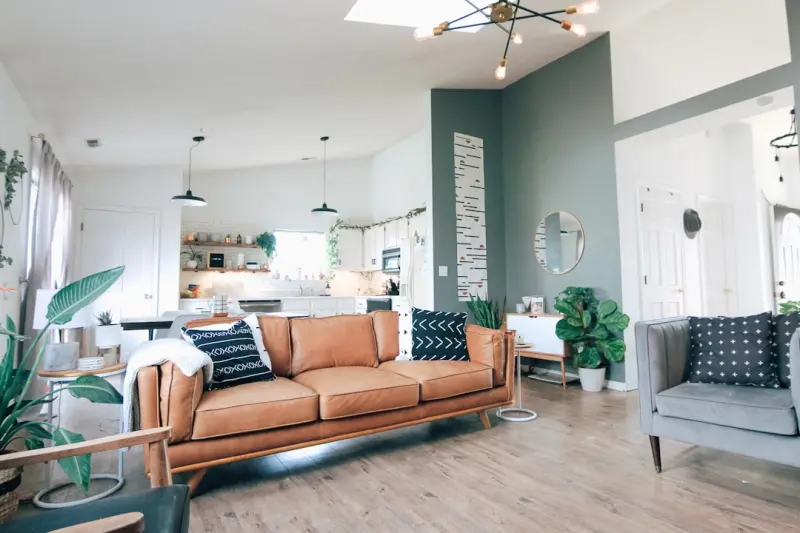
Home Command Center: The Ultimate Family Hub
Learn to create a central command hub at home that boosts visibility, actionability, and scalability... Read More

Silent Allies: Harnessing Scent and Sound for a Healthier Home
Learn how to turn ordinary rooms into purpose‑driven spaces by using scent layering and acoustic t... Read More
Top Posts

Why Role Fluidity Is the Next Competitive Edge for Companies
The post examines the rise of role fluidity, a strategic shift from fixed job descriptions to dynamic responsibility clusters, highlighting AI’s role, a realâ...Read More

Micro‑Break Rituals: Tiny Moments, Big Mental Gains
A practical guide to using short, intentional pauses throughout the day to reset the brain, lower stress, and improve focus, featuring easy movement, breathing,...Read More

Turn Your Home Into a Productivity Powerhouse Without Adding Square Footage
A practical guide to transforming everyday spaces—like entryways, kitchens, and micro‑zones—into productivity‑boosting zones using light, invisible stor...Read More
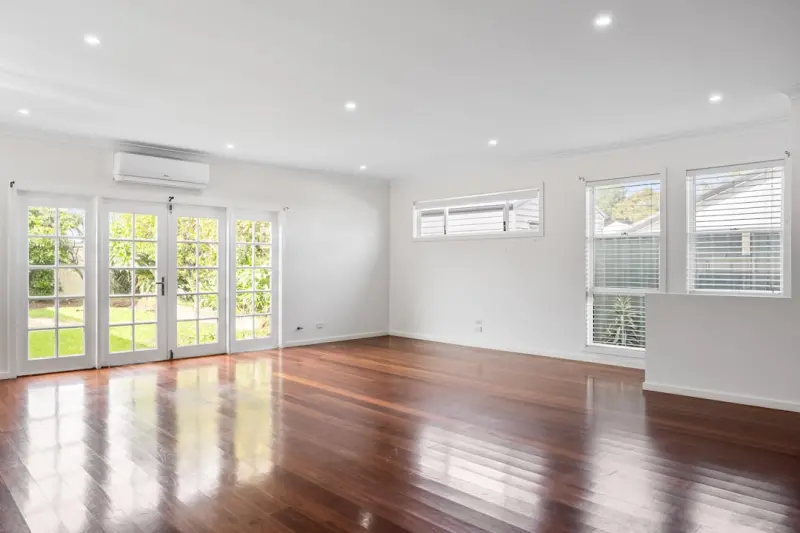
Dynamic Zoning: Transform Every Room into a Flexible Work, Rest, and Play Space
Learn to reshape your home’s rooms into adaptable zones that boost productivity, comfort, and fun—all without major renovations....Read More
0 Comments
Post Comment
You will need to Login or Register to comment on this post!