
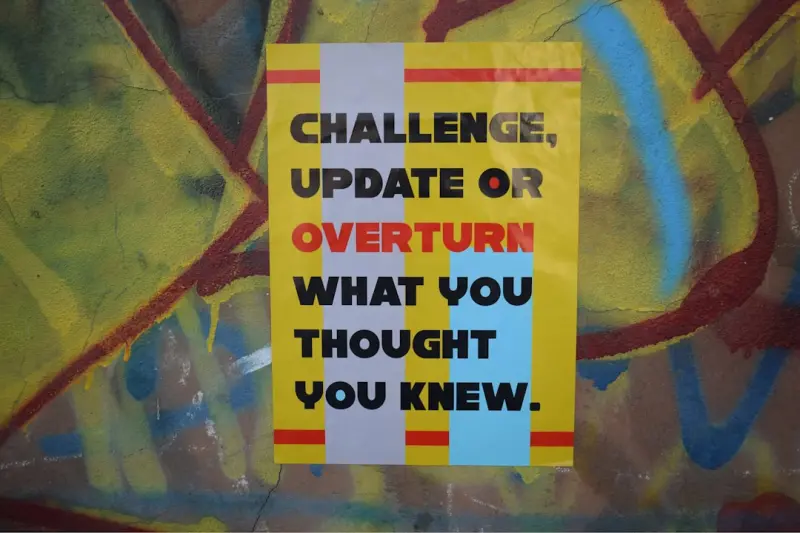
Why Pop‑Up Cultural Labs Are the New Frontier for Curious Travelers
When I first heard the term “pop‑up cultural lab,” I imagined a temporary science experiment set up in a warehouse, complete with lab coats and beakers. Instead, I found myself stepping into a makeshift pottery studio in a repurposed shipping container in Lisbon, a midnight jazz improv session in a deserted subway station in Seoul, and a flash‑mob culinary class in a rooftop garden in Nairobi. These experiences aren’t just events; they’re micro‑ecosystems of creativity, community, and discovery that are redefining what it means to travel.
The Anatomy of a Pop‑Up Lab
At their core, pop‑up cultural labs share three defining traits:
- Ephemeral Presence: They exist for days, weeks, or a single weekend, then disappear—leaving behind memories, not permanent infrastructure.
- Collaborative Creation: Organisers invite locals, artists, and travelers to co‑create, blurring the line between audience and performer.
- Site‑Specific Storytelling: Each lab is deeply rooted in its surroundings, drawing on the history, geography, and social fabric of the host community.
This trifecta turns a regular trip into an experiment in cultural immersion. Instead of ticking off landmarks from a checklist, you become part of a living narrative that only exists for a brief moment.
From Trend to Movement: The Drivers Behind the Surge
Two forces are propelling pop‑up cultural labs into the mainstream:
- Desire for Authenticity: Modern travelers are weary of cookie‑cutter tours. They crave experiences that feel genuine, unfiltered, and co‑created with locals.
- Flexibility of the Gig Economy: Artists, chefs, and makers can now set up temporary installations without the overhead of permanent venues. This fluidity mirrors the way we book flights and accommodations—on demand, at the click of a button.
What’s fascinating is how technology amplifies these drivers. For instance, AI‑driven itinerary planning can now suggest pop‑up labs that match your interests, schedule, and even your mood, making the serendipity feel curated without feeling scripted.
How to Find the Next Pop‑Up Lab (Without Spending Hours Scouring Instagram)
Finding these fleeting experiences used to be a game of luck. Today, a few reliable methods can help you stay ahead of the curve:
- Local Event Platforms: Websites like Eventbrite, Meetup, and regional cultural calendars often list pop‑up workshops and installations.
- Community Newsletters: Many neighborhoods have weekly newsletters that spotlight temporary events. Subscribing to a handful can give you a front‑row seat to the local creative pulse.
- Social Listening Tools: Set up Google Alerts or use a tool like Talkwalker to monitor keywords such as “pop‑up studio,” “temporary gallery,” or “flash workshop” in your destination.
When you locate a lab that intrigues you, treat it like a micro‑adventure: book a modest amount of time, pack light, and arrive with an open mind ready to contribute.
Designing Your Own Pop‑Up Lab Experience
If you’re the type who prefers to be the one stirring the pot, why not co‑create a pop‑up lab of your own? Here’s a quick framework that has worked for me on the road:
- Identify a Gap: Is there a lack of language exchange in the area? A shortage of sustainable cooking classes? Pinpoint something that both locals and travelers would love to explore.
- Scout a Space: Look for underused venues—a vacant storefront, a community center, even a park pavilion.
- Partner with Locals: Reach out to artisans, musicians, or chefs who can lend authenticity and expertise. Their involvement ensures the lab feels rooted rather than touristy.
- Promote Sparingly: Use a small, targeted social media push or a flyer in a local café. The goal is to create buzz without overwhelming the intimate nature of the event.
- Document Thoughtfully: Capture photos and stories, but share them after the event to preserve the magic for future participants.
This DIY approach not only enriches your travel narrative but also leaves a lasting impact on the host community—a win‑win that aligns with the growing ethos of responsible tourism.
Case Study: Seasonal Sensory Travel Experiences in the Alps
One of the most compelling examples of a pop‑up cultural lab I attended was a seasonal sensory travel experience tucked away in a mountain village. Over a weekend, guests were guided through a series of installations that highlighted the changing aromas, textures, and sounds of the alpine environment—from spring wildflower foraging to autumn leaf‑crunch workshops.
The event was anchored in the local tradition of “Alpine Herb Days,” yet it incorporated modern design elements—interactive sound walls, scent diffusers, and tactile art pieces. Participants left not just with postcards, but with a deeper, embodied understanding of the landscape’s rhythm.
Why Pop‑Up Labs Are Great for Mental Health
Travel already offers a break from routine, but pop‑up labs add a therapeutic layer. Engaging in hands‑on creative activities triggers dopamine release, lowers cortisol, and fosters a sense of flow—a state psychologists describe as “optimal experience.” Moreover, the collaborative nature of these labs can alleviate travel loneliness, as you instantly become part of a community.
For those who practice mindfulness, I recommend pairing a pop‑up lab with a brief forest bathing walk before or after the event. The combination of sensory immersion and creative expression creates a holistic reset for body and mind.
Balancing Authenticity and Safety
While pop‑up labs are exciting, they can also be unpredictable. Here are a few safety guidelines I follow:
- Check Reviews Quickly: Even a handful of comments can reveal whether an event is well‑organized and respectful of participants.
- Know the Host’s Credentials: Verify that facilitators have relevant experience—especially for activities involving food preparation, physical movement, or local cultural rituals.
- Carry Essentials: A portable charger, a small first‑aid kit, and a reusable water bottle are must‑haves for any spontaneous adventure.
- Respect Local Norms: Some pop‑up labs may incorporate traditions that are sacred or sensitive. Ask questions, listen, and adapt your behavior accordingly.
The Future: How Pop‑Up Labs Might Evolve
Looking ahead, I see three trends shaping the next wave of pop‑up cultural labs:
- Hybrid Physical‑Digital Experiences: Imagine a pop‑up art installation that extends into a virtual reality space, allowing remote participants to join the creative process in real time.
- Data‑Driven Personalization: With AI analyzing travel preferences, labs could dynamically tailor workshops—think a cooking class that adjusts recipes based on a traveler’s dietary restrictions on the fly.
- Carbon‑Neutral Pop‑Ups: Organisers will increasingly prioritize sustainability, using modular, recyclable materials and partnering with local green initiatives.
These developments will only deepen the synergy between travel, technology, and community, turning each trip into a living laboratory of cultural exchange.
Practical Tips for Making the Most of Every Pop‑Up Lab
To ensure you extract maximum value (and fun) from these fleeting experiences, keep these pointers in mind:
- Arrive Early: Early arrival gives you a chance to mingle with locals before the formal activity begins.
- Bring a Small Gift: A token from your home country—a spice blend, a handcrafted bookmark, or even a simple postcard—can serve as a conversation starter and a gesture of goodwill.
- Stay Curious, Not Judgmental: Pop‑up labs often challenge conventional norms. Embrace the unfamiliar and ask “why” rather than “why not.”
- Document Lightly: Capture moments for memory, but prioritize presence. The best stories often emerge from what you remember after the phone is off.
- Share the Experience: After the event, spread the word through a thoughtful blog post (like this one) or a short video. Your exposure can help the host community attract future participants and funding.
Conclusion: Turning Trips Into Experiments
Pop‑up cultural labs are more than a trend; they’re a paradigm shift in how we engage with places and people. By stepping into these temporary creative ecosystems, we trade passive sightseeing for active co‑creation, enriching both our personal narratives and the host community’s cultural tapestry.
So the next time you plan a getaway, ask yourself: instead of “What’s the must‑see sight?” ask “Where can I drop in for a pop‑up lab and become part of the story?” The answer might just lead you to a hidden rooftop garden, a fleeting street theater, or a collaborative mural that will stay with you long after the city lights dim.

Paul Flynn is a versatile freelance writer equipped with a diverse skillset and a portfolio that reflects his wide-ranging interests and expertise. From crafting compelling website copy and engaging blog posts to delivering in-depth articles and meticulously researched reports, Flynn demonstrates a remarkable ability to adapt his writing style to suit various audiences and purposes.
Related Posts
When Travel Becomes a Personal Innovation Lab
Travel isn’t just about sightseeing; it’s an opportunity to turn delays, layovers, and tiny loca... Read More
When Travel Becomes Service: How Volunteering Abroad Redefines Adventure
Explore how combining travel with volunteering turns vacations into purpose‑driven journeys, foste... Read More
Travel Light, Think Deep: Building a Minimalist Toolkit for Global Problem‑Solving
A minimalist travel toolkit, combined with micro‑habits, turns ordinary trips into powerful innova... Read More
Top Posts

Passive Comfort: How to Let Your Home Regulate Itself Naturally
Discover practical, low‑tech ways to harness sunlight, thermal mass, insulation, and natural ventilation, turning your home into a self‑regulating sanctuary...Read More
The Art of Sensory Bathing: A New Personal‑Care Ritual
Discover a step‑by‑step guide to creating a multi‑sensory bathing ritual that boosts relaxation, skin health, and mental clarity....Read More
When AI Becomes Your Leadership Coach: A New Frontier
AI is moving beyond data analysis to become a personal leadership coach, offering real‑time, ethical, and scalable guidance that helps leaders improve communi...Read More

Why Embracing Boredom Can Recharge Your Mind
Boredom isn’t a flaw—it’s a mental fitness tool. Learn why allowing yourself to do nothing can sharpen focus, unleash creativity, and build emotional stam...Read More
0 Comments
Post Comment
You will need to Login or Register to comment on this post!