
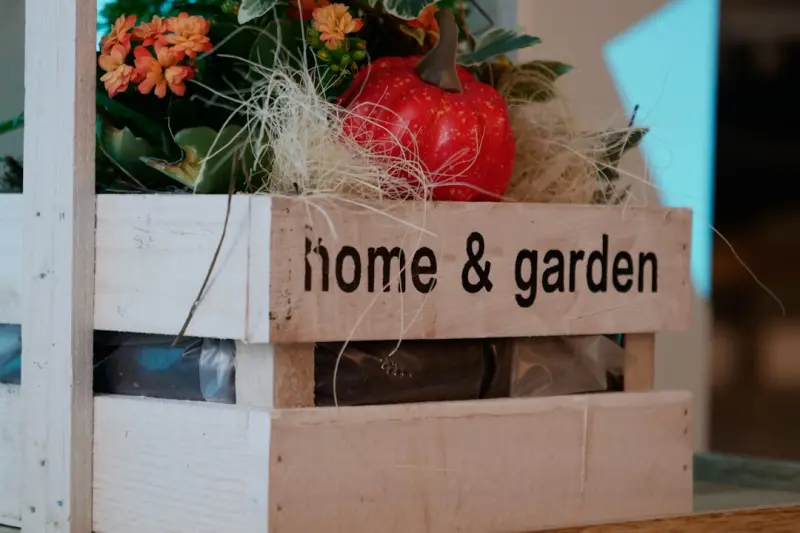
Why the Kitchen Is No Longer Just a Cooking Zone
When I first moved into my modest downtown loft, the kitchen was a cramped, utilitarian box—four burners, a stainless‑steel fridge, and a tiny window that let in a sliver of city light. It was functional, but it felt like a backstage area for the real action of living. Over the past few years I’ve watched a quiet revolution unfold: homeowners are turning that backstage into a starring set, blending food prep with horticulture, scent, and even social ritual. I call it the living kitchen, and it’s reshaping how we think about home, health, and habit.
The Roots of the Living Kitchen Trend
There are three forces converging to make this shift inevitable.
- Urban density. As more people live in apartments and smaller homes, the square footage we have for separate garden rooms or balcony plots is shrinking. The kitchen—by virtue of its proximity to water and natural light—becomes the logical place to squeeze in a little greenery.
- Wellness research. Studies repeatedly show that direct contact with plants can lower cortisol, improve concentration, and even boost the immune system. When those benefits are paired with the ritual of cooking, you get a double‑dose of mood‑lifting chemistry.
- Technology. Smart grow lights, hydroponic pods, and app‑driven watering systems have made indoor cultivation affordable and low‑maintenance. You no longer need a green thumb to keep basil thriving on your countertop.
Designing a Kitchen That Grows With You
Before you rush out and buy a stack of seed trays, take a moment to map the flow of your kitchen. The goal is to create zones that complement each other rather than compete for space.
- Light‑Harvest Zone. Identify the brightest corner—usually near a window or under an open cabinet. Install a focus‑boosting LED grow strip that mimics the solar spectrum. This not only fuels plant photosynthesis but also provides ambient lighting for evening prep.
- Water Station. Convert the side of the sink or a pull‑out drawer into a drip‑irrigation hub. A simple PVC manifold can feed multiple pots with just a tap of a valve, keeping the countertop tidy.
- Harvest Counter. Reserve a narrow shelf for herbs and microgreens you’ll actually use. Keep the containers uniform so they look intentional, not chaotic.
Choosing the Right Plants for Culinary Success
Not every houseplant belongs in a cooking environment. Here are my top five picks that survive in the fluctuating humidity and temperature of a kitchen.
- Basil (Ocimum basilicum). The classic herb for pesto, caprese, and a dash of summer in any dish. It thrives in bright, indirect light and enjoys a steady moisture level.
- Microgreens. A mix of radish, pea shoots, and mustard greens can be harvested in as little as 10 days, providing a peppery crunch for salads, sandwiches, or garnishes.
- Chives (Allium schoenoprasum). Their slender stalks are perfect for sprinkling over soups or baked potatoes. They tolerate lower light and can be clipped repeatedly.
- Mint (Mentha spp.). A versatile herb for drinks, sauces, and desserts. Keep mint in a separate container to prevent it from overtaking other plants.
- Edible Flowers. Nasturtiums, violets, and calendula add color and a subtle flavor to plates. They love a sunny window sill and can double as garnish.
Tech Tools That Turn a Hobby into a Habit
Automation is the secret sauce that keeps the living kitchen from becoming a chore. Below are three gadgets I rely on daily.
- Smart Soil Sensors. Plug‑in probes that send moisture, pH, and temperature data to your phone. When the soil dries below a threshold, you get a push notification to water.
- Self‑Watering Pods. These hydroponic containers have a reservoir at the bottom and a wicking system that delivers just enough water to the roots. No more over‑ or under‑watering.
- App‑Driven Light Schedules. Programs that mimic sunrise and sunset cycles, ensuring your herbs get the right intensity at the right time, even on cloudy days.
From Plant to Plate: A Day in My Living Kitchen
Here’s a snapshot of how the integration works in practice, from morning coffee to dinner.
Morning. I start with a quick glance at the smart sensor app. The basil’s moisture level is optimal, but the mint is a shade low. A single tap on the app triggers a 30‑second irrigation cycle for the mint.
Mid‑day. While sautéing garlic, I snip a few basil leaves, instantly brightening the sauce. The scent of fresh herb mingles with the onions, creating a sensory cue that tells my brain “we’re cooking, we’re present.”
Evening. I harvest a handful of microgreens and toss them into a quinoa salad. The crisp bite adds texture, and the bright green color makes the dish look restaurant‑ready.
This loop—grow, harvest, eat, repeat—creates a feedback cycle that reinforces healthy eating and reduces food waste. In fact, I’ve cut my grocery herb bill by nearly 70 percent.
Scaling Down: Small‑Space Solutions for Renters
If you’re on a lease and can’t mount heavy planters, consider these portable alternatives.
- Magnetic Herb Strips. Attach to the side of a refrigerator or metal cabinet. They hold small pots securely and keep herbs at arm’s reach.
- Vertical Pocket Gardens. Hanging fabric pockets that slide onto a tension rod above the sink. They’re perfect for a cascade of trailing herbs like thyme or oregano.
- Window‑Sill Terrariums. Glass containers that trap humidity, ideal for moisture‑loving plants like cilantro.
Beyond Food: The Kitchen as a Wellness Hub
Plants do more than flavor food. Their foliage releases volatile organic compounds (VOCs) that can purify indoor air, while the act of tending to them promotes mindfulness. If you’ve ever felt the calm of pruning a rosemary sprig, you know the kitchen can be a sanctuary as much as a workstation.
For a deeper dive into turning domestic spaces into low‑stress zones, check out how to transform your home into a low‑stress power hub. The principles overlap: intentional design, sensory balance, and a pinch of technology.
Maintaining Momentum: Habit‑Building Tips
It’s easy to start enthusiastic, then let the plants wilt when life gets busy. Here are three tactics that keep the living kitchen thriving long‑term.
- Batch Watering Sessions. Set a recurring calendar reminder for a 10‑minute watering window. Treat it like a quick workout for your plants.
- Seasonal Rotation. Every few months, swap out herbs that have outgrown their space for new varieties. This keeps the visual interest high and prevents stagnation.
- Cooking Integration. Pair each plant with a signature dish. When basil becomes synonymous with your summer pasta, you’ll remember to harvest before it bolts.
Future Outlook: The Kitchen as a Mini‑Ecosystem
Imagine a kitchen where waste feeds the plants, the plants feed the food, and the food fuels the occupants—a closed‑loop system that reduces reliance on external supply chains. Emerging technologies like AI‑driven growth algorithms and low‑energy aeroponics are already being prototyped in urban labs. While we’re not there yet, the seeds are being sown in living kitchens across the globe.
When you next stand at the stovetop, glance at the thriving basil leaves beside the spice rack, and feel a sense of continuity between the soil and the sauce, you’ll know you’re part of a larger movement. It’s a subtle shift, but one that promises to make our homes more resilient, our meals fresher, and our daily rituals richer.
Getting Started: Your First 48‑Hour Plan
Ready to give your kitchen a green upgrade? Follow this simple roadmap.
- Day 1: Assess Light. Take note of how many hours each kitchen surface receives sunlight. Mark the brightest spots.
- Day 2: Choose Containers. Opt for shallow trays with drainage holes. Fill with a lightweight, peat‑free potting mix.
- Day 3: Plant. Purchase basil seedlings, a microgreen mix, and a mint plant from a local nursery. Plant them in your prepared containers.
- Day 4: Install Lighting. Hang a programmable LED grow strip over the light‑harvest zone.
- Day 5: Set Up Automation. Place a smart soil sensor in each pot and sync it with your phone.
- Day 6: Harvest & Cook. Use fresh basil in a simple tomato sauce and taste the difference.
Within a week you’ll see the first signs of growth, and by the end of the month you’ll have a mini‑herb garden that’s both functional and beautiful.
Conclusion: The Kitchen as a Living Narrative
Our homes tell the story of who we are. By weaving plants into the fabric of our cooking spaces, we add a chapter of growth, sustainability, and sensory delight. The living kitchen is not just a design fad; it’s a practical, health‑forward response to modern life’s constraints. Whether you have a sprawling suburban kitchen or a compact city countertop, the principles remain the same: integrate, automate, and nurture.
Take the first step today, and watch how a handful of seedlings can transform the heart of your home into a thriving, breathing centerpiece.

Jimmy Damon loves to right on a large scale of topics with all things Canadian as this Montreal die hard loves hockey. fishing and sports.
Related Posts

Mini‑Greenhouses: Bringing Year‑Round Harvests to Urban Spaces
A compact mini‑greenhouse transforms balconies into year‑round herb sanctuaries, offering fresh ... Read More

Smart Water Management: Turning Your Backyard Into an Eco‑Friendly Oasis
Learn how to transform your garden with smart water management—leveraging sensors, weather data, a... Read More
Reviving Your Backyard: Harnessing the Power of Native Plants
Learn how to create a thriving, low‑maintenance backyard using native plants, smart watering, and ... Read More
Top Posts
Why Your Bathroom Should Feel Like a Spa: The Science of Sensory Personal Care
Explore the science behind scent, sound, texture, temperature, and lighting in the bathroom, and learn practical, low‑cost upgrades that turn routine personal...Read More
The Garden Desk Revolution: How Outdoor Workspaces Are Transforming Home Life
Explore the rise of garden desks and learn practical steps to create an outdoor workspace that blends productivity with nature, enriching home life and well‑b...Read More

Turning Supply‑Chain Uncertainty into Opportunity with AI
AI is no longer a futuristic add‑on; it's a practical ally that can predict demand spikes, score suppliers in real time, and automate procurement, turning sup...Read More

How Travel Turns You Into a Real‑World Skill Lab
Travel isn’t just about sights; it’s a living laboratory where you can learn languages, solve problems on the fly, build physical resilience, and sharpen em...Read More
0 Comments
Post Comment
You will need to Login or Register to comment on this post!