
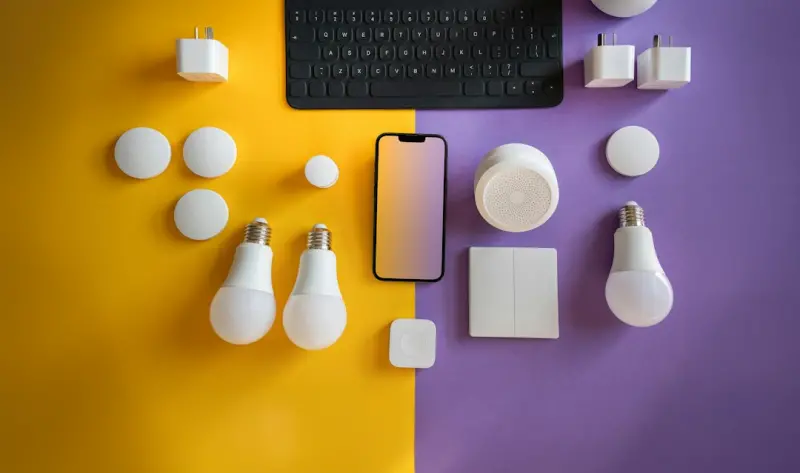
Why Light Deserves a Spot on Your Home‑Improvement List
When most people think about “home upgrades,” the first things that come to mind are fresh paint, new cabinets, or a fancy kitchen faucet. Light, however, is the silent conductor of every room’s symphony. It sets the tone for a morning coffee, sharpens focus for a home office sprint, and even cues your body to wind down after a long day. In the era of smart homes, we can now program light the way we used to program coffee makers—precisely, on schedule, and with personality.
The Science That Proves Light Is More Than Just Brightness
Research shows that different wavelengths influence our circadian rhythm, hormone release, and even productivity. Cool‑white (blue‑rich) light mimics daylight, boosting alertness and helping us tackle demanding tasks. Warm‑white or amber tones signal the evening, encouraging melatonin production and a smoother transition to sleep.
But the magic doesn’t stop at color temperature. Light intensity, direction, and flicker frequency all play roles in how comfortable we feel. A well‑designed lighting scheme can reduce eye strain, improve mood, and even make a modest space feel larger.
Smart Bulbs vs. Traditional Bulbs: The Real Difference
Traditional incandescent or even LED bulbs give you a single static output. Smart bulbs, on the other hand, give you:
- Adjustable color temperature from sunrise‑soft amber to high‑energy daylight.
- Dimmable on the fly without needing a separate dimmer switch.
- Programmable schedules that sync with sunrise, sunset, or your personal routine.
- Voice and app control that integrate with your favorite assistants.
- Energy monitoring for real‑time feedback on power consumption.
All of these features let you treat light as a dynamic element rather than a static fixture.
Choosing the Right Smart Bulbs for Your Space
Not all smart bulbs are created equal. Here’s a quick cheat sheet:
- Color Rendering Index (CRI) – Aim for 80+ for accurate color perception.
- Lumen Output – 800 lumens equals roughly a 60‑watt incandescent; choose based on the room’s purpose.
- Connectivity – Wi‑Fi offers direct control but can crowd your network; Zigbee or Thread are more efficient for larger setups.
- Integration – Check compatibility with your existing hub (Alexa, Google Home, Apple HomeKit).
If you’re on a budget, start with a few bulbs in high‑impact zones—like the kitchen island, the home office desk, and the bedroom nightstand.
Zoning Your Home: Light Scenes That Match Your Lifestyle
Think of your house as a series of zones, each with its own lighting personality:
Morning Boost Zone
Set the kitchen and bathroom lights to a cool‑white 5000 K at 80% brightness starting 15 minutes before your alarm. The gentle ramp‑up mimics sunrise, nudging you awake without a jarring alarm.
Focus Zone
In your office, pair a cool‑white light at 3000 lumens with a subtle amber accent on a bookshelf. The contrast helps the brain differentiate work surfaces from relaxation cues.
Evening Unwind Zone
In the living room, transition to warm‑white 2700 K at 30% brightness an hour before bedtime. Add a soft amber strip behind the TV to reduce glare while you binge‑watch your favorite series.
Sleep Sanctuary Zone
Use a smart plug to turn off all overhead lights at your set bedtime, while a low‑level red night‑light remains on for nighttime trips to the bathroom.
Integrating Light With Daily Routines
Automation is the secret sauce. Here’s a simple routine you can implement in under five minutes using most major apps:
- Open your smart‑home app and create a “Morning Routine” scene.
- Select the kitchen, bathroom, and bedroom bulbs.
- Set the color temperature to 5000 K and dim to 70%.
- Schedule it to trigger 10 minutes before your alarm.
Duplicate the process for “Evening Wind‑Down,” swapping to 2700 K and a lower brightness. Over time, your body will learn these cues, making transitions smoother.
Energy Savings: Light That Pays for Itself
Smart bulbs are typically 70–80% more efficient than incandescent equivalents. The real savings come from:
- Automatic dimming when rooms are unoccupied.
- Peak‑hour scheduling that reduces load during expensive utility periods.
- Energy‑use reports that help you identify power‑hungry zones.
Even a modest 10‑bulb setup can shave 100–150 kWh from your annual bill—enough to fund a weekend getaway or a new piece of art for your walls.
DIY Light Hacks: Big Impact, Small Investment
You don’t need a professional electrician to get creative. Try these quick upgrades:
- LED Strip Accents – Apply warm‑white or RGB strips under cabinets, behind mirrors, or along ceiling coves. They’re inexpensive and dramatically increase perceived depth.
- Reflective Surfaces – Place a large mirror opposite a window or a light source to bounce natural daylight deeper into the room.
- Smart Switch Retrofit – If you have many non‑smart bulbs, install a smart switch on the circuit. It gives you group control without swapping each bulb.
- Portable Light Panels – For a home studio or craft space, use a foldable LED panel with adjustable color temperature to mimic studio lighting.
These tweaks can be mixed and matched with the earlier zone strategy to craft a truly personalized ambiance.
Common Pitfalls and How to Dodge Them
Even the most enthusiastic DIYer can stumble. Keep these warnings in mind:
- Over‑automation – If your house feels like a sci‑fi movie set, you may become frustrated. Start with a few key scenes and expand gradually.
- Network Overload – Too many Wi‑Fi bulbs can slow down your router. Consider a dedicated hub for Zigbee or Thread devices.
- Color Mismatch – Mixing brands can lead to inconsistent color rendering. Stick to one ecosystem when possible.
- Forgotten Fixtures – Don’t neglect outdoor lights. Smart floodlights with motion sensors add security and can be programmed for dusk‑to‑dawn operation.
Future‑Proofing: What’s Next for Home Lighting?
The next wave of lighting tech includes:
- Human‑centric lighting (HCL) that automatically adapts to your circadian rhythm without manual input.
- Li‑Fi (light‑based Wi‑Fi) that turns LEDs into data transmitters—imagine your light fixtures doubling as high‑speed internet routers.
- Voice‑first ecosystems that recognize nuanced commands like “Set a calm vibe for reading.”
While these are still emerging, adopting a flexible smart‑bulb platform now will make upgrades painless when they hit the mainstream.
Putting It All Together: A Sample 7‑Day Light Makeover Plan
Ready to dive in? Here’s a manageable timeline:
- Day 1–2: Audit your existing fixtures. Note rooms that feel “flat” or “harsh.”
- Day 3: Purchase 4–6 smart bulbs (preferably from the same brand).
- Day 4: Install bulbs in the kitchen and home office. Set up “Morning Boost” and “Focus” scenes.
- Day 5: Add LED strips under kitchen cabinets and behind the TV stand. Pair with a warm‑white scene for evening relaxation.
- Day 6: Configure a “Wind‑Down” routine for bedroom and living room lights.
- Day 7: Review energy‑usage stats and tweak brightness levels for comfort and savings.
By the end of the week you’ll have a cohesive lighting strategy that feels intuitive, saves energy, and subtly nudges your body clock toward healthier rhythms.
Connecting With Other Home‑Improvement Resources
If you’re already sprucing up your curb appeal with edible plants, you’ll love the way a well‑lit garden bed becomes a nighttime showcase. Check out Harvesting Curb Appeal for ideas on integrating lighting with edible landscaping.
For those who see their home as a canvas, the Colorful Healing guide offers tips on using hue and texture to create a sanctuary vibe—perfectly complementing smart‑light mood settings.
Final Thought: Light As a Lifestyle Choice
Lighting isn’t just a functional need; it’s a lifestyle lever. By treating light as a programmable, adaptable element, you gain control over mood, productivity, and even your energy bill. The next time you walk into a room, ask yourself: “What story do I want this light to tell?” The answer will shape the next upgrade you make.

Robert Mathews is a professional content marketer and freelancer for many SEO agencies. In his spare time he likes to play video games, get outdoors and enjoy time with his family and friends .
Related Posts

Silent Allies: Harnessing Scent and Sound for a Healthier Home
Learn how to turn ordinary rooms into purpose‑driven spaces by using scent layering and acoustic t... Read More

Seasonal Home Maintenance Checklist: Keep Your House Running Smoothly All Year
A practical, season‑by‑season guide helps homeowners stay ahead of repairs, reduce utility costs... Read More

Room‑by‑Room Energy Boosters: Low‑Cost Hacks for a Cozier, Smarter Home
Explore a series of low‑cost, room‑specific tips—from layered textiles and window film to DIY ... Read More
Top Posts

Cold Exposure: A Simple Habit for Lasting Vitality
Explore the science and practical steps behind cold exposure, from 30‑second showers to weekly ice baths, and learn how this humble habit can transform your h...Read More
Why My Garden Desk Is the Hottest Home & Garden Trend of 2024
Rose DesRochers reveals why garden desks are reshaping home productivity, offering a sustainable, wellness‑focused workspace that blends nature with modern wo...Read More

Mental Fitness in the Moment: Turning Tiny Tasks into Big Resilience
Discover how brief, intentional mental workouts—focused attention snippets, emotional reset routines, and cognitive flexibility drills—can be woven into dai...Read More
Designing a Pet‑Friendly Garden Oasis for Fun and Safety
Learn how to craft a pet‑friendly garden oasis that blends safety, style, and sustainability, offering fun spaces, safe plants, and creative upcycled features...Read More
0 Comments
Post Comment
You will need to Login or Register to comment on this post!