
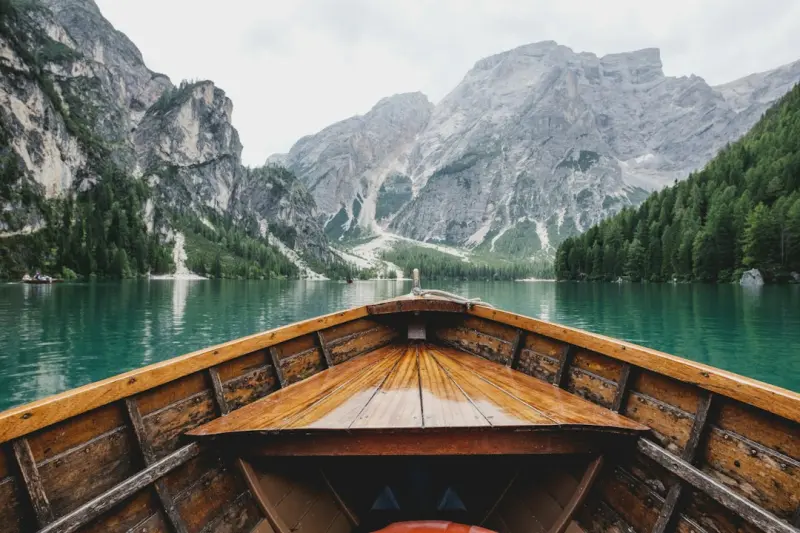
Why a Short Escape Can Supercharge Your Career
When I first started hopping between client sites and conference rooms, I treated travel as a necessary inconvenience. Flights were booked, hotels were checked in, and the next day I was back at the desk, eyes glazed from the glow of my laptop. Over time, I realized that the very moments I spent “away” held untapped power—not just for my personal well‑being, but for the bottom line of the projects I lead.
The Myth of the “Productive” Business Trip
Most of us have heard the mantra: “Make the most of every minute.” In the context of a business trip, that often translates to cramming meetings, answering emails on the plane, and squeezing in a quick coffee between sessions. The result? A schedule so tight it feels like a sprint, leaving little room for genuine rest or reflection.
What if the goal isn’t to do more, but to do better? By redefining the purpose of a short getaway, you can transform a routine trip into a strategic lever for creativity, focus, and even revenue growth.
1. Reset Your Cognitive Landscape
The brain is a pattern‑recognition machine. When you stay in the same environment day after day, neural pathways become entrenched, and fresh ideas struggle to surface. A change of scenery—whether it’s a seaside town, a mountain lodge, or a bustling metro—introduces new stimuli that shake up those pathways.
Studies on “contextual interference” show that exposure to varied environments improves problem‑solving ability. In practice, this means a weekend in a new city can help you approach a stubborn product roadmap with a fresh perspective.
While you’re exploring, try a simple exercise: pick a landmark, observe its details, and then write down three ways its design could inspire a feature in your SaaS product. The exercise forces your mind to draw connections between unrelated domains, a skill that’s gold in innovation.
2. Leverage Travel Tech to Reduce Friction
Travel planning used to be a maze of spreadsheets, PDFs, and endless back‑and‑forth with assistants. Today, AI-driven travel planning can act as a silent strategist, auto‑optimizing routes, suggesting cost‑effective lodging, and even flagging local networking events that align with your industry.
- Smart itineraries: Algorithms analyze your meeting schedule, preferred work hours, and personal interests to draft a day‑by‑day plan that maximizes productive time while preserving downtime.
- Dynamic pricing alerts: Real‑time monitoring of flight and hotel rates ensures you never overpay, freeing budget for post‑trip investments like team workshops.
- Local insights: AI curates community‑sourced recommendations—think hidden cafés with fast Wi‑Fi or co‑working spaces that double as networking hubs.
By automating the logistics, you reclaim mental bandwidth for strategic thinking.
3. Build Your Reputation Capital on the Road
Every interaction you have while traveling—whether at a conference, a local meetup, or even a casual dinner with a client’s team—adds a layer to your professional brand. This is the essence of what we call reputation capital. In the travel context, it becomes a living portfolio of trust and influence.
Consider these three tactics:
- Micro‑networking: Instead of waiting for the official networking hour, strike up a conversation while waiting for baggage claim. A genuine curiosity about a fellow traveler’s work can seed future collaborations.
- Show, don’t just tell: Carry a lightweight demo of your SaaS solution on a tablet. A quick, tactile preview can be far more persuasive than a slide deck.
- Document and share: Post a short video of your experience (with permission) on LinkedIn, highlighting a local insight that helped solve a problem back at the office. This positions you as a thought leader who brings external value to internal challenges.
4. Turn Downtime into a Wellness Engine
Travel inevitably includes periods of idle time—waiting at airports, long train rides, or evenings in a hotel room. These moments are perfect opportunities to practice micro‑wellness hacks that boost energy and focus.
One technique I swear by is the “three‑breath reset.” While seated, inhale for a count of four, hold for two, exhale for six, and repeat three times. It lowers cortisol and sharpens attention, making you ready for the next meeting.
Another simple habit is to stand up and stretch every 90 minutes, even on a plane. This combats the sluggishness that can derail your productivity once you land.
5. Capture the “Travel‑Learn‑Apply” Loop
To truly harness the ROI of a short escape, you need a system that captures insights and feeds them back into your work. Here’s a practical framework I use:
- Travel Journal: A digital notebook (e.g., Notion) where you jot down observations, ideas, and unexpected challenges you encounter each day.
- Insight Synthesis: At the end of each trip, allocate 30 minutes to review entries, group similar themes, and highlight actionable items.
- Implementation Sprint: Within a week of returning, schedule a sprint with your team to prototype or test at least one idea that emerged from your travel journal.
This loop ensures that the trip’s value isn’t a fleeting feeling but a concrete driver of product improvement.
6. The Power of “Mini‑Adventure” Travel for Teams
While solo travel can be transformative, bringing a small team on a “mini‑adventure” can amplify the benefits. A two‑day off‑site in a nearby town—complete with a local hike, a shared meal, and a brainstorming session—creates a shared narrative that strengthens cohesion.
Key considerations for a successful team mini‑adventure:
- Purposeful venue selection: Choose a location that aligns with the challenge you’re tackling. If you’re working on UI simplicity, a minimalist design museum can spark conversation.
- Balanced agenda: Mix structured work time with unstructured exploration. The latter often yields the most unexpected breakthroughs.
- Post‑trip debrief: Capture the collective insights and assign owners for follow‑up actions, turning the experience into measurable outcomes.
7. Align Travel With Your Company’s Sustainability Goals
Modern professionals are increasingly expected to consider the environmental impact of their travel. By integrating sustainability into your trip planning, you not only reduce carbon footprints but also demonstrate corporate responsibility—a factor that can influence client decisions.
Practical steps include:
- Choosing train travel over short‑haul flights when feasible.
- Staying at eco‑certified hotels that track energy usage.
- Offsetting emissions through reputable carbon‑offset programs.
When you share these choices transparently with clients and teammates, you reinforce a brand narrative centered on stewardship.
8. The Unexpected Financial Upside
Beyond the intangible benefits of creativity and wellness, short trips can have a direct impact on the bottom line. Here’s how:
- Cost‑Effective Learning: Attending a niche workshop in a nearby city can be a fraction of the price of a large conference, yet deliver equally valuable insights.
- Accelerated Deal Cycles: Face‑to‑face meetings, even in a casual setting, often close deals faster than prolonged virtual negotiations.
- New Market Discovery: A weekend visit to an emerging market can reveal demand signals that inform product localization strategies.
9. Practical Packing Checklist for the High‑Impact Traveller
Efficiency starts before you even step through the airport gate. Below is a distilled list that balances professionalism, comfort, and adaptability:
- Versatile wardrobe: A wrinkle‑resistant blazer, two neutral shirts, and a pair of smart‑casual pants that transition from boardroom to dinner.
- Tech essentials: Laptop with a portable monitor, a universal power adapter, and a compact power bank.
- Wellness kit: Noise‑cancelling earbuds, a travel‑size foam roller, and a reusable water bottle.
- Idea capture tools: A pocket‑sized notebook and a pen that writes in any climate.
10. The Future of Travel for the Modern Professional
As remote work continues to blur the lines between home and office, travel is evolving from a logistical necessity into a strategic asset. The next wave will likely see AI‑curated itineraries that sync with your calendar in real time, immersive virtual reality previews of meeting spaces, and a rise in “work‑and‑wander” programs that blend productivity with adventure.
By embracing this shift now—viewing each short escape as a deliberate experiment—you position yourself at the forefront of a new paradigm where travel isn’t a cost center, but a catalyst for growth.
Takeaway: Make Your Next Short Escape Count
Next time you’re tempted to skip that weekend trip because “there’s too much work,” remember that the real work often begins when you step off the plane. Use the tools, habits, and frameworks outlined above to turn a simple getaway into a high‑impact lever for personal and professional success.

Dale Peterson is a freelance writer with a passion for technology, travel, law and personal finance. With 10 years of experience crafting compelling and informative content, he's dedicated to delivering high-quality writing for Blogging Fusion that engages audiences and achieves specific goals.
Related Posts
How Pop‑Up Cultural Labs Are Turning Ordinary Trips Into Unforgettable Experiments
Pop‑up cultural labs are temporary, collaborative spaces that let travelers co‑create with local... Read More

Microadventure Mastery: Turning Short Breaks into Epic Stories
Learn to craft microadventures that transform everyday moments into epic stories, using simple plann... Read More
Beyond the Guidebook: Crafting Personal Narratives on the Road
Learn to transform every trip into a personal narrative by embracing minimalist packing, mindful mic... Read More
Top Posts

Why Garden Desks Are Revolutionizing Employment in 2026
Explore the rise of garden desks, their impact on workplace productivity, health, and talent attraction, and learn how to implement this game‑changing trend i...Read More

Seasonal Scent Strategies: Refresh Your Home Atmosphere Year‑Round
A guide to seasonal scent rotation, showing how to craft DIY diffusers, pair aromas with light and texture, and integrate sustainable practices for a constantly...Read More

The Power of Productive Daydreaming: A Mental Fitness Hack
Learn a simple, evidence‑based daydream routine that trains the brain’s default mode network, pairs with micro‑movements, and transforms mental wandering ...Read More
Elevate Your Daily Personal Care with Breathwork and Self‑Massage
Learn a quick, science‑backed daily ritual that pairs intentional breathing with self‑massage, creating lasting calm, better focus, and healthier skin—all...Read More
0 Comments
Post Comment
You will need to Login or Register to comment on this post!