
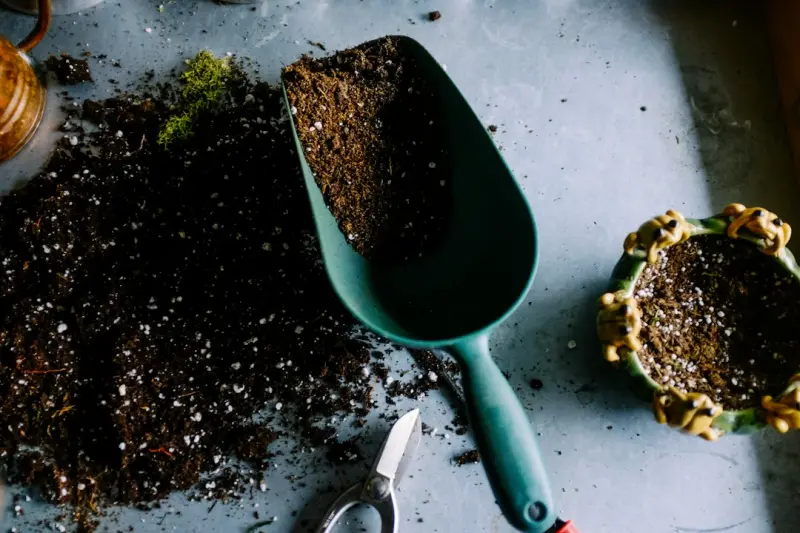
When I first knelt in the garden behind my apartment building, I felt the earth shift beneath my fingertips like a secret handshake between generations of growers. It was a reminder that soil isn’t just a medium—it’s a living, breathing community that can be coaxed, nurtured, and, frankly, a little bit teased into doing extraordinary things. In this post I’ll walk you through the art and science of turning ordinary, often overlooked dirt into a thriving, resilient foundation for every garden dream you’ve been daring to imagine.
Why Soil Deserves a Standing Ovation
Most of us think of plants as the stars of the show, but the real backstage crew is the soil. It stores water, supplies nutrients, houses beneficial microbes, and even communicates with plant roots through a sophisticated chemical language. When that backstage crew is well‑trained, the performance is spectacular: higher yields, fewer pests, and a garden that feels more like a partnership than a battle.
Step 1: Diagnose Your Soil’s Personality
Before you start amending anything, get to know the baseline. A simple soil texture test (the jar shake method) will tell you whether you’re dealing with sand, silt, or clay. A quick pH strip can reveal acidity levels. And if you want to go the extra mile, a basic nutrient test kit will highlight nitrogen, phosphorus, and potassium levels.
- Sand: Drains quickly, low water retention—great for succulents but tough for veggies.
- Clay: Holds water and nutrients well but can become compacted.
- Silt: The happy medium, but still benefits from organic matter.
Understanding these traits helps you decide which amendments will work best, rather than throwing a blanket of compost over everything and hoping for the best.
Step 2: Build a Compost Powerhouse
Compost is the superhero of soil amendments. It adds structure, feeds microbes, and improves water retention. Here’s a quick blueprint for a compact, apartment‑friendly compost bin:
- Choose a ventilated bucket with a tight‑fitting lid.
- Layer brown (dry leaves, shredded paper) and green (fruit peels, coffee grounds) materials.
- Moisten each layer until it feels like a wrung‑out sponge.
- Turn the pile every week to introduce oxygen.
- In 4‑6 weeks you’ll have dark, crumbly gold ready to stir into any garden bed.
Even if space is at a premium, a small bin can supply enough compost for a balcony container garden or a few raised beds.
Step 3: Invite the Underground Helpers – Mycorrhizae & Beneficial Bacteria
These microscopic allies form symbiotic relationships with plant roots, extending the root network and unlocking nutrients that would otherwise stay locked away. You can boost their presence by:
- Adding mycorrhizal inoculant (available in powder form) to planting holes.
- Planting cover crops like clover or buckwheat that nurture microbial life.
- Avoiding sterilizing chemicals—let nature do its thing.
When roots are partnered with these allies, they become more efficient water users and more resilient to stress.
Step 4: The Power of Worm Castings
Worm castings are the purest form of organic matter you can feed your soil. They contain plant‑available nutrients, beneficial microbes, and improve texture. If you don’t have a worm bin, you can start one with:
- A shallow bin or tote.
- Shredded newspaper as bedding.
- Kitchen scraps (avoid meat, dairy, oily foods).
- Red wigglers—cheap and hardy.
Within a couple of months you’ll have a treasure trove of castings to sprinkle over any planting area.
Step 5: Tailor Your Amendments to Your Garden’s Goals
Not all gardens need the same recipe. Here’s how to match amendments to common objectives:
- Vegetable production: High nitrogen (compost, blood meal), phosphorus (bone meal), and a dash of potassium (wood ash).
- Flower beds: Balanced nutrients plus a touch of lime if the soil is acidic, to brighten colors.
- Low‑maintenance native garden: Minimal amendments; focus on organic mulch to protect and feed the soil gradually.
Step 6: Mulch Like a Pro
Mulching isn’t just for looks. A 2‑3 inch layer of shredded leaves, straw, or pine needles does three things:
- Regulates soil temperature (keeps it cooler in summer, warmer in winter).
- Retains moisture, reducing watering frequency.
- Supplements organic matter as it breaks down.
Think of mulch as the soft, supportive blanket that lets your soil rest and recover after a busy growing season.
Step 7: Water Wisely—The Gentle Touch
Over‑watering is a silent killer of soil structure. Aim for deep, infrequent watering that encourages roots to dig down. Using a soaker hose or a drip irrigation system delivers water directly to the root zone, minimizing evaporation and keeping the soil surface from becoming a soggy mess.
Step 8: Rotate Crops and Practice Diversity
Just like we avoid eating the same meal every day, soil thrives on variety. Rotating families—leafy greens, legumes, root vegetables—prevents nutrient depletion and breaks pest cycles. If you have limited space, consider intercropping: plant fast‑growing radishes alongside slower beans, letting the radish harvest free up space for the beans to mature.
Step 9: Embrace the Unexpected – Passive Comfort Lessons for the Garden
One of my favorite revelations came from reading about how homes can self‑regulate temperature. The same principle applies to soil: a well‑balanced soil ecosystem can moderate moisture and temperature swings on its own. By layering organic matter, encouraging microbial activity, and providing consistent mulch, you create a “passively comfortable” root zone that doesn’t demand constant attention.
Step 10: Celebrate Small Wins and Keep Learning
Every time a seedling pushes through the soil, you’ve earned a point. Keep a garden journal—note the amendment ratios, watering schedule, and plant performance. Over time you’ll spot patterns and fine‑tune your approach.
Bonus: Connecting Garden Soil to the Kitchen
There’s a delightful feedback loop when you grow herbs or vegetables and then use them fresh in meals. The practical guide to edible front yards inspired me to think beyond the back‑yard plot. Even if your space is a modest balcony, a few containers of basil, thyme, and kale can feed both your plate and your soul.
Final Thoughts: Soil as a Living Story
When you treat soil as a dynamic story rather than a static substrate, every amendment becomes a chapter, every plant a character, and every harvest a plot twist. By diagnosing, amending, and nurturing your soil with intention, you set the stage for a garden that’s not only productive but also resilient, beautiful, and deeply satisfying.
So roll up those sleeves, grab a trowel, and start listening to the whispers beneath your feet. The soil is waiting to share its secrets—are you ready to hear them?

When it comes to the world of blogging and writing, Rose DesRochers is a name that stands out. Her passion for creating quality content and connecting with her audience has made her a trusted voice in the industry. Aside from her skills as a writer and blogger, Rose is also known for her compassionate nature.
Related Posts

Reimagining the Front Porch: From Forgotten Step to Neighborhood Hub
Learn how to transform a dull front porch into a vibrant, functional oasis that nurtures personal re... Read More

DIY Rainwater Harvesting: Turn Every Drop into Garden Gold
Discover a step‑by‑step guide to creating a DIY rainwater harvesting system, from roof assessmen... Read More
Cultivating a Kitchen Herb Oasis in Small Spaces
Discover a step‑by‑step plan to turn any balcony or windowsill into a thriving herb garden, comp... Read More
Top Posts

Reverse Mentorship: A New Growth Engine for Employees
Reverse mentorship flips the traditional mentor‑mentee model, letting junior staff guide senior leaders. This article outlines why it matters, how to start, a...Read More
Backyard Micro‑Forests: Small Spaces, Big Impact
Discover the transformative power of backyard micro‑forests, a compact yet dynamic ecosystem that boosts climate resilience, biodiversity, and home comfort—...Read More

Turn Your Learning Into a Sprint: Fast‑Track Career Growth
Learn to apply agile sprint techniques to your skill development, creating focused, time‑boxed learning cycles that boost productivity and drive real career p...Read More

Crafting a Personal Care Sanctuary: Rituals That Anchor Your Day
A practical guide to creating a personal care sanctuary that blends intentional lighting, texture, aroma, and mindful routines, empowering you to anchor each da...Read More
0 Comments
Post Comment
You will need to Login or Register to comment on this post!