
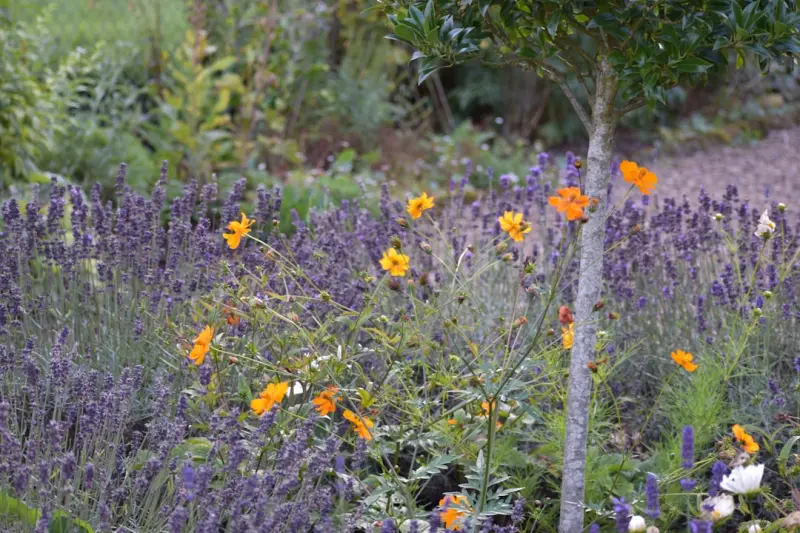
When I first inherited my grandmother’s modest backyard, I saw more than just a patch of soil and a few tired shrubs. I sensed a quiet invitation—a chance to turn an ordinary outdoor space into a living, breathing sanctuary that nurtures the senses as much as the soil. Over the years, I’ve learned that a garden isn’t merely a visual tableau; it’s an orchestra of scent, sound, texture, and even subtle temperature shifts that can recalibrate our nervous system, sharpen focus, and lift mood. In this post I’ll walk you through the philosophy and practical steps for designing a sensory garden that feels like a daily retreat, no matter how limited your square footage.
Why a Sensory Garden?
We live in an era of constant visual overload—smartphones, billboards, streaming screens. Our brains are wired to process images at lightning speed, leaving little room for the slower, more restorative experiences that come from engaging the other senses. Research in environmental psychology shows that multisensory exposure to nature reduces cortisol, lowers blood pressure, and improves cognitive performance. A sensory garden deliberately curates these stimuli, creating an environment that encourages mindful immersion rather than mindless scrolling.
Step 1: Map Your Space and Set Intentions
Before you buy any plant or purchase a wind chime, start with a simple sketch of your garden. Identify sun‑lit zones, shaded corners, and any existing structural features (like a pergola, retaining wall, or stone pathway). Next, decide on the emotional goals for each area:
- Calm & Reset: A quiet nook for meditation or breath work.
- Invigorate & Energize: A lively corner that awakens the senses with bright colors and movement.
- Connect & Socialize: A gathering spot that invites conversation.
Having clear intentions helps you select plants, materials, and accessories that serve a purpose beyond mere decoration.
Step 2: Soundscapes—From Wind to Water
The sound of rustling leaves, trickling water, or a gentle breeze can become an auditory lullaby that soothes the mind. Here are three low‑maintenance ways to weave sound into your garden:
- Wind‑Responsive Elements: Install bamboo clappers, metal tubes, or rain sticks along the fence line. As the wind moves, these instruments produce a soft, randomized rhythm that feels organic and never repeats.
- Water Features: A modest recirculating fountain or a DIY rain chain can provide a steady, calming murmur. If space is limited, a shallow trough filled with river stones and a small pump creates the illusion of a stream without the expense of a full pond.
- Live Musical Plants: Certain grasses, like fountain grass (Pennisetum alopecuroides), generate a rustling sound when brushed by wind. Plant them near pathways so each footstep adds a subtle percussive note.
For those who enjoy a more curated auditory experience, consider adding a solar‑powered speaker that plays ambient nature sounds at dusk. Pairing a natural soundscape with a faint human‑made melody can deepen the sense of enclosure and tranquility.
Step 3: Harness Fragrance—Scent as Therapy
Scent is the most direct route to the limbic system, the brain’s emotional hub. Choose plants that release aroma at different times of day to create a dynamic olfactory journey:
- Morning Boost: Lavender, rosemary, and mint release bright, invigorating scents that awaken the senses.
- Mid‑Day Harmony: Sweet basil and thyme provide herbaceous notes that blend well with surrounding foliage.
- Evening Calm: Jasmine, gardenia, and sweet woodruff emit sweet, mellow fragrances that linger as the sun sets.
To amplify these aromas without relying on artificial diffusers, experiment with natural air purification tips such as positioning fragrant plants near ventilation points or using porous clay pots that release scent slowly.
Step 4: Textural Layers—Touch as Exploration
We often overlook touch in garden design, yet varying textures invite tactile curiosity. Incorporate a mix of leaf shapes, bark finishes, and ground covers:
- Soft Foliage: Hostas and lamb’s ear provide velvety leaves perfect for gentle rubbing.
- Rough Surfaces: Incorporate river rocks, reclaimed timber, or a cobblestone pathway to create a grounding, earthy feel underfoot.
- Interactive Elements: Install a low wooden bench with a woven seat or a hammock made from natural fibers. The act of sinking into these textures signals the brain to relax.
Step 5: Light Play—Natural and Artificial
Light dramatically alters how we perceive color, depth, and mood. Use a combination of daylight and subtle artificial lighting to extend the garden’s usability into the evening:
- Sun‑Tracking Plants: Arrange taller, sun‑loving species on the southern edge, while shade‑tolerant varieties occupy the north side.
- Solar Path Lights: Low‑profile LEDs embedded along walkways create a gentle glow that guides nocturnal wanderers without harsh glare.
- Moon‑Phase Lanterns: Hang translucent glass lanterns that capture moonlight, casting soft, shifting patterns on surrounding foliage.
By layering light sources, you craft a garden that feels alive at any hour, encouraging you to linger longer and reap the restorative benefits of extended outdoor time.
Step 6: Seasonal Rotation—Keeping the Experience Fresh
A truly immersive garden evolves with the seasons. Plan a rotating schedule of planting and decorative swaps:
- Spring: Plant early‑blooming bulbs (daffodils, crocuses) and add fresh sprigs of rosemary in decorative pots.
- Summer: Introduce flowering vines like clematis and scent‑heavy herbs such as lemon verbena.
- Fall: Replace summer flowers with foliage that turns amber—maple, burnished sage, and ornamental grasses.
- Winter: Highlight structural plants (evergreen shrubs, ornamental bark) and use ever‑lasting candles or LED fireflies for subtle illumination.
Seasonal change not only keeps the garden aesthetically appealing but also reinforces the natural rhythms that help our bodies align with the environment.
Step 7: Integrate Technology Thoughtfully
While the heart of a sensory garden is organic, a modest sprinkle of technology can enhance its functionality without compromising its natural vibe. A smart moisture sensor linked to a low‑flow drip system ensures plants stay hydrated without over‑watering—an eco‑friendly solution that frees you from daily watering chores. Pair this with a mobile app that alerts you when the wind chimes are silent for too long, prompting you to adjust their placement for optimal sound.
Remember, technology should serve the garden’s purpose, not dominate it. The goal is to maintain an effortless, almost invisible support system that lets you focus on the sensory experience.
Step 8: Mindful Maintenance—Turning Care into Ritual
Maintenance can feel like a chore, but reframing it as a ritual transforms the act of pruning, watering, or weeding into a meditative practice. Set aside a consistent time each week—perhaps the first Saturday morning—to walk through the garden mindfully, listening to the water feature, inhaling the herbaceous scents, and feeling the textures beneath your fingertips. This routine not only sustains the garden’s health but also deepens your personal connection to the space.
For inspiration on turning everyday tasks into wellness boosters, explore overlooked spaces that can be repurposed for personal growth. The same principle applies: the garden becomes a living laboratory for habit stacking and intentional living.
Step 9: Community Sharing—Invite Others to Experience
Although a sensory garden is inherently personal, sharing its benefits can amplify its impact. Host a monthly “sound & scent” evening where neighbors bring a small dish made from herbs grown in the garden, or organize a guided walk that highlights the auditory and olfactory elements. These gatherings foster a sense of belonging and encourage others to consider their own outdoor spaces as platforms for wellness.
Final Thoughts: The Garden as a Living Wellness Tool
Creating a sensory garden is less about achieving a picture‑perfect Instagram backdrop and more about crafting an environment that whispers calm, awakens curiosity, and invites regular, mindful interaction. By thoughtfully curating sound, scent, texture, and light, you give yourself a daily retreat that works on a subconscious level to lower stress, sharpen focus, and improve overall wellbeing.
Whether you have a sprawling suburban yard or a modest balcony, the principles outlined here can be scaled to fit any space. Start small—perhaps with a single fragrant herb and a wind chime—and let the garden evolve as you grow more attuned to its rhythms. In time, you’ll find that the garden isn’t just a part of your home; it becomes a vital extension of your body’s own restorative systems.
Ready to begin? Gather a handful of aromatic herbs, a simple water feature, and a few textural elements. Plant, listen, breathe, and feel the transformation. Your sensory garden awaits, ready to become the heart of your home’s wellness journey.

Steph Sanderson is a Toronto-based freelance writer and content creator with a clear passion: crafting compelling articles. With a dedication to clear, engaging prose and a knack for storytelling, Steph brings a wealth of experience to every project.
Related Posts

The Secret Life of Soil: Turning Your Yard into a Living Laboratory
Discover a fresh approach to gardening by treating your yard as a living laboratory. Learn to test s... Read More

Cultivating a Backyard Wildlife Oasis: Simple Steps for Every Homeowner
Discover a step‑by‑step guide to transforming a modest backyard into a vibrant wildlife oasis, u... Read More
Designing a Low‑Maintenance Native Plant Garden that Attracts Pollinators
Discover how to build a low‑maintenance native garden that invites bees, butterflies, and birds, w... Read More
Top Posts

Chilling Out: How Cold Water Therapy Boosts Health and Performance
Cold water therapy isn’t a fad; it’s a strategic health hack that triggers hormonal surges, activates brown fat, and reduces inflammation. Learn how brief, ...Read More

AI as a Strategic Foresight Engine for B2B SaaS Growth
AI isn’t just a chatbot—it’s a strategic compass. Learn how B2B SaaS firms can harness AI to surface emerging market trends, drive sustainable innovations...Read More

Travel Light, Live Large: The Power of a Capsule Wardrobe on the Road
A minimalist capsule wardrobe isn’t just about packing less; it’s a strategic tool that enhances freedom, creativity, and cultural connection, allowing trav...Read More

The Sensory Reset: Redefining Personal Care Through Touch, Sound, and Scent
A deep dive into how engaging touch, sound, and scent can turn ordinary personal care habits into powerful rituals, improving mood, skin health, and overall res...Read More
0 Comments
Post Comment
You will need to Login or Register to comment on this post!