
Why the Best Stories Come From Unplanned Moments
When I first set foot on a foreign train platform with nothing but a half‑filled notebook and a curiosity for the unknown, I realized that the most vivid memories didn’t come from meticulously scripted itineraries. They emerged from the moments I didn’t schedule—those sudden street‑food stalls, the unmarked alleyway that echoed with a local band, the chance conversation with a stranger who turned out to be a master glassblower. This is the essence of what I call the Serendipity Method: a deliberate practice of inviting the unexpected into every journey.
Re‑thinking the Travel Checklist
Traditional travel advice is a series of checkboxes: passport, itinerary, reservations, and a list of “must‑see” attractions. While logistics are essential, they can become a cage that muffles curiosity. I challenge you to flip the script:
- Pack less, plan looser. Instead of a five‑day agenda, earmark only the essential “anchor points”—the places you must sleep and the one landmark you’ve always wanted to see.
- Leave room for “micro‑detours.” Allocate 30‑45 minutes each day for wandering without a map. Let a scent, a sound, or a splash of color pull you into a new direction.
- Carry a “creative toolkit.” A small sketchbook, a pocket‑size journal, a compact camera, or even a set of colored pens can turn a fleeting impression into a lasting artifact.
These adjustments don’t discard structure; they replace rigidity with elasticity, making space for the serendipitous spark that fuels inspiration.
Embedding movement snacks into Your Journey
Travel often means sitting for hours—on planes, trains, or in cafés. Those static periods are perfect opportunities for movement snacks. A quick series of calf raises while waiting for a bus, a few shoulder rolls as you wait for your coffee, or a 30‑second stretch in a hotel doorway can reset your nervous system and sharpen your senses. The extra burst of blood flow clears mental fog, making you more receptive to the unexpected details that would otherwise slip by.
The Soundtrack of Spontaneity
Every city has a sonic fingerprint. The clatter of a market, the distant call to prayer, the hum of a late‑night metro—all these layers create an immersive audio sanctuary for your mind. Instead of drowning these sounds with headphones, I suggest turning them into a living soundtrack:
- Pause and listen. Find a bench, close your eyes, and let the environment paint a mental picture.
- Record a snippet. A 10‑second voice memo of street musicians can later be woven into a story or a blog post.
- Match mood to activity. If you’re strolling through a historic district, let the ambient murmur guide a reflective walk; if you’re in a bustling market, let the rhythm energize a quick sketch session.
By treating sound as a co‑creator rather than background noise, you deepen your engagement with the place and capture nuances that photographs alone can’t convey.
Turning Transit Time Into Creative Fuel
Long flights and train rides are notorious for boredom, yet they are also fertile ground for ideation. I use these stretches for three intertwined practices:
- Free‑write “what‑if” scenarios. Prompt yourself with a simple question: “What if the street I just passed was a portal to a parallel city?” Let the absurdity cascade into sketches or story outlines.
- Micro‑research. Open a local news site or a community forum on your phone and skim a headline. Then, imagine how that story intersects with your own experience.
- Practice sleep hacking. A well‑rested brain is a fertile one. Use a silk eye mask, a short breathing ritual, and a consistent pre‑sleep stretch to maximize rest, even in cramped seats.
When you transform transit from a passive waiting room into an active laboratory, you return to your destination with fresh ideas and a heightened sense of presence.
Curating “Unexpected Moments” as Content
Travel writers often chase the iconic photograph or the famed landmark. I flip that narrative by focusing on the gap between the expected and the surprising. Here’s how I capture those moments:
- Detail‑first photography. Instead of a sweeping cityscape, zoom in on a cracked cobblestone, a handwritten menu, or a child’s kite. These details tell a story of place without the cliché.
- Dialogue snapshots. Jot down a verbatim line from a conversation with a local vendor. Even a single phrase can reveal cultural attitudes or humor.
- Emotion mapping. After a day of wandering, draw a quick mood map—color‑code sections of your route with feelings like “exhilarated,” “confused,” or “peaceful.” This visual diary becomes a reference for future posts or creative projects.
By anchoring your content in the minutiae, you differentiate your voice and give readers a texture they can almost feel.
Building a Portable “Creative Sanctuary”
Just as many of us curate audio sanctuaries at home, you can assemble a travel‑friendly version:
- A mini‑sound kit. Load a playlist of instrumental tracks that enhance focus, but keep a folder of ambient field recordings from previous trips to overlay onto new experiences.
- A tactile anchor. A smooth stone or a small piece of fabric that you keep in your pocket; when you touch it, your brain signals “creative mode.”
- A scent cue. A tiny vial of essential oil—citrus for energizing mornings, lavender for evening reflection. The scent becomes a trigger for entering a reflective state wherever you are.
This portable sanctuary allows you to step into a familiar mental space, no matter the time zone, and harness the flow of inspiration that travel provides.
When the Unexpected Becomes a Habit
At first, embracing randomness can feel uncomfortable, especially if you’re used to tightly managed schedules. The key is to practice the mindset incrementally:
- Start small. Choose one day a week where you deliberately skip the morning “must‑see” and instead wander to the nearest park.
- Reflect nightly. Ask yourself: “What surprised me today? How did it shift my perception?” Write a brief note.
- Iterate. Over time, you’ll notice patterns—perhaps you’re drawn to waterways, or you thrive in markets. Use those insights to shape future trips without boxing yourself in.
Eventually, the serendipitous becomes second nature, and every journey feels like a laboratory of possibility rather than a checklist of obligations.
Practical Tips for the Serendipity‑Ready Traveler
- Leave a blank page in your itinerary. Mark it “Free Exploration – 2 hrs.”
- Carry a universal charger and portable power bank. Power concerns often force us back to hotels; stay connected to your creative tools.
- Learn a few key phrases. “Where can I find a quiet spot?” or “Do you know a hidden gem around here?” opens doors to local recommendations.
- Invest in a lightweight, waterproof journal. Rain or spill, the pages survive, and you keep documenting.
- Use local transit apps. Real‑time data lets you hop on an unexpected bus route that takes you through a neighborhood you’d otherwise miss.
Final Thoughts: The Journey Is the Canvas
Travel is often portrayed as a series of destinations, a string of photos, or a checklist of experiences. By adopting the Serendipity Method, you shift the narrative to one where the journey itself becomes the canvas. The unplanned detours, the spontaneous conversations, the sensory overload—all coalesce into a living archive of inspiration. When you return home, you won’t just have souvenirs; you’ll bring back a repository of ideas, stories, and creative energy that can fuel projects for months to come.
So the next time you book a trip, remember: the real adventure isn’t the place on the map, but the moments you didn’t anticipate. Embrace them, nurture them, and watch how they transform not only your travels but the work you create long after the plane lands.

Jessica Gills is a freelance writer carving a niche for herself by empowering others through her words. With a focus on careers, self-development, and business, she helps readers navigate the complexities of the modern professional landscape.
Related Posts

The Hidden Innovation Engine in Human‑Paced Travel
Travel at a human pace isn’t just relaxing—it’s a powerful catalyst for innovation. Learn how ... Read More
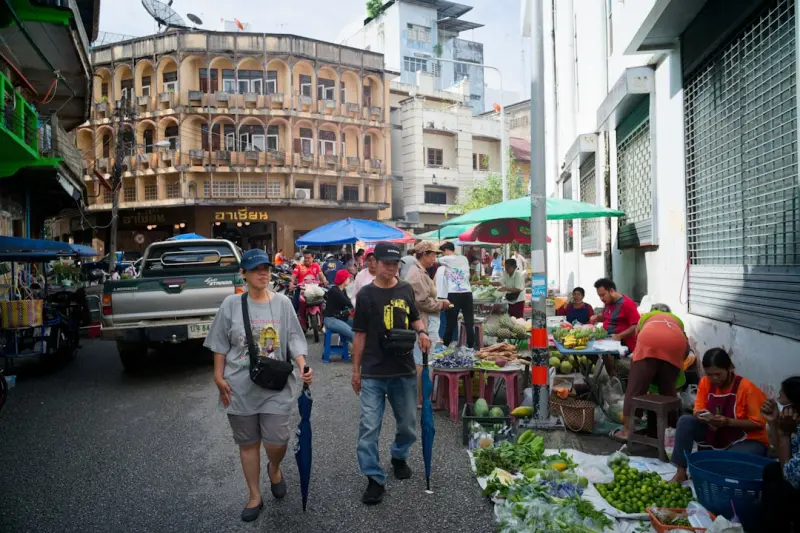
Exploring Local Markets: The Flavorful Path to Authentic Travel
Dive into the vibrant world of local markets and learn how food, conversation, and community turn or... Read More
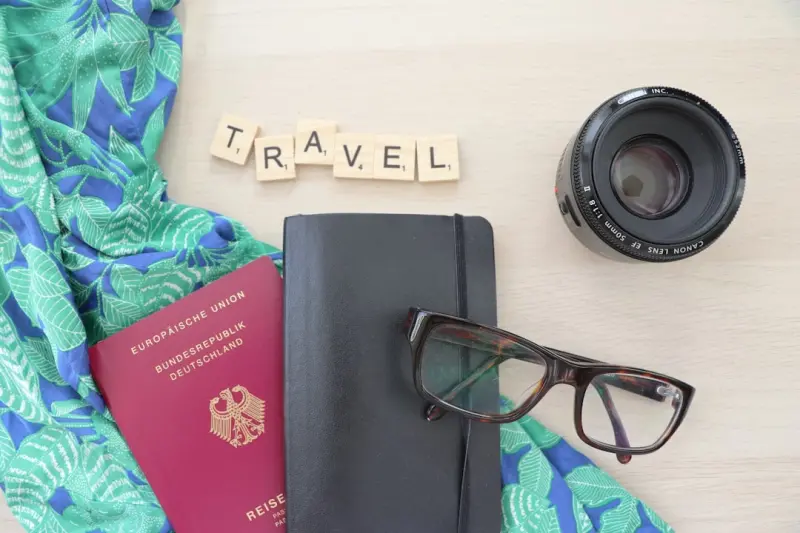
Travel as a Language Lab: One Phrase a Day to Unlock Hidden Worlds
Learn the power of a single daily phrase to turn ordinary trips into immersive cultural adventures, ... Read More
Top Posts
When Your Mind Takes a Guided Wander: Structured Daydreaming for Better Mental Health
Discover the power of intentional reverie: a simple, science‑backed practice that transforms mind‑wandering into a mental health boost, enhancing creativity...Read More
Beyond the Itinerary: Crafting Immersive Sensory Journeys
Explore a fresh travel approach that engages all five senses—from soundscapes and scents to textures and flavors—turning ordinary trips into lasting, immers...Read More
Travel Light, Think Deep: Building a Minimalist Toolkit for Global Problem‑Solving
A minimalist travel toolkit, combined with micro‑habits, turns ordinary trips into powerful innovation labs, enhancing productivity and creativity while keepi...Read More
Tiny Movement Rituals to Supercharge Your Desk‑Day Health
Explore how tiny, intentional movement rituals can transform desk‑day wellness, improve posture, circulation, and focus, with easy cues and supportive environ...Read More
0 Comments
Post Comment
You will need to Login or Register to comment on this post!