
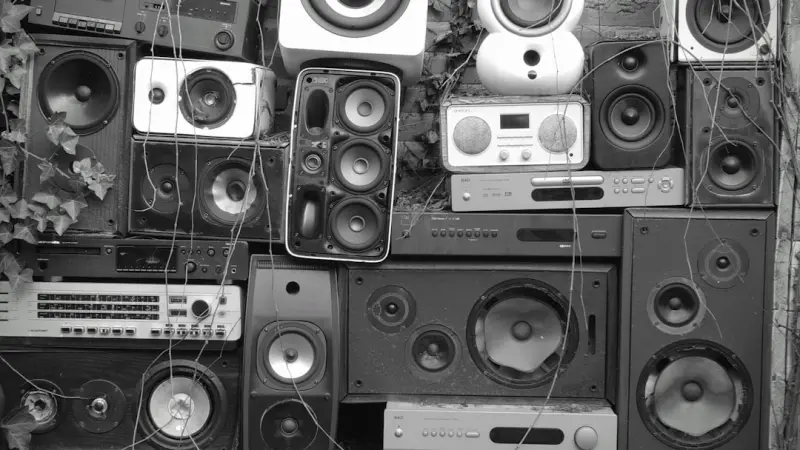
Audio Sanctuaries: How Curated Soundscapes Can Rewire Your Stress Response
When the inbox pings, the traffic roars, and the calendar fills up faster than a coffee shop on a Monday morning, it’s easy to feel like you’re living inside a perpetual drum solo—loud, chaotic, and relentless. I’ve spent the last decade hopping between boardrooms, coworking spaces, and home offices, and the one thing that kept my sanity intact wasn’t a new productivity app or a fancy ergonomic chair. It was a pair of headphones and a carefully crafted playlist.
Sound, in its rawest form, is a neurological lever. It can make us feel safe, energized, or terrified. The difference between a calming forest hum and a blaring construction site is the same distance that separates a relaxed mind from a frazzled one. In this post I’ll unpack why we should treat our auditory environment with the same intentionality we give our physical spaces, and I’ll show you how to build an audio sanctuary that becomes a portable mental health tool you can deploy anywhere—from a cramped cubicle to a bustling airport lounge.
Why Auditory Environments Matter (More Than You Think)
Neuroscience tells us that the brain processes sound faster than any other sensory input. The auditory cortex can trigger emotional responses within milliseconds, bypassing the slower, more deliberate pathways that handle visual cues. That’s why a sudden siren can jolt us awake even in deep sleep, while the gentle ripple of ocean waves can coax us into a relaxed state without conscious effort.
But modern life has hijacked this primal wiring. Open‑plan offices, constant notifications, and the omnipresent hum of HVAC systems create a soundscape that’s more “white noise” than “white noise for focus.” The result? Elevated cortisol, reduced concentration, and a lingering sense of fatigue that no amount of coffee can fix.
Enter the concept of the audio sanctuary: a deliberately chosen collection of sounds that aligns with the mental state you want to cultivate. It’s not just background music; it’s an active, therapeutic practice.
Building Your Audio Sanctuary—Step by Step
Below is a practical framework you can start using today. Feel free to adapt it to your own preferences, but the core idea is to treat each element as a mental health lever rather than an after‑thought.
- Identify Your Desired State – Are you looking to boost focus, calm anxiety, or spark creativity? Pinpointing the goal will guide the type of sounds you select.
- Choose a Primary Sound Palette – This could be nature sounds (rain, forest, waves), instrumental ambient tracks, low‑frequency binaural beats, or even a curated “focus playlist” that excludes lyrical content.
- Set Duration & Timing – Short bursts (5‑10 minutes) work well for quick resets, while longer sessions (30‑45 minutes) are ideal for deep work or meditation.
- Control Volume & Quality – The sound should sit just below the threshold of distraction. High‑resolution audio files prevent the brain from hunting for missing frequencies.
- Pair with Physical Cues – Pairing sound with a consistent physical cue (e.g., a specific breathing pattern or a stretch) reinforces the neural association.
These steps echo the principles behind structured day‑offs—you’re engineering a predictable, supportive environment that fuels recovery and performance.
The Science Behind Sound and Stress Reduction
Research on “pink noise” and “brown noise” shows that low‑frequency sounds can slow heart rate variability and reduce perceived stress. Meanwhile, binaural beats—two tones slightly offset in frequency—can entrain brainwaves, nudging them toward theta or alpha states associated with deep relaxation and creative insight.
One study from the University of Helsinki found that participants who listened to a 30‑minute nature soundscape before a high‑pressure task reported a 25% decrease in self‑rated anxiety and performed 12% better on cognitive tasks compared to a control group. The key takeaway? Sound doesn’t just mask distraction; it actively reshapes how our nervous system responds to stressors.
Choosing the Right Tools—Hardware and Platforms
While you can stream a YouTube video of rain sounds, investing in a quality pair of noise‑cancelling headphones can dramatically improve the experience. Look for models with a flat frequency response and minimal distortion. For those who prefer a more tactile experience, portable speakers with a “white noise” mode can transform an entire room into a calm oasis.
Platforms like Spotify, Apple Music, and dedicated apps such as Brain.fm or Calm provide curated playlists specifically designed for focus, relaxation, or sleep. If you’re technically inclined, you can use open‑source libraries (e.g., Soundscape Generator) to mix layers of natural ambience and binaural beats tailored to your personal rhythm.
Integrating Audio Sanctuaries Into Your Daily Flow
Below are three scenarios where an audio sanctuary can act as a mental health ally:
- Morning Kick‑Start – Begin the day with a 5‑minute “grounding” soundscape (soft chimes, distant birds). Pair it with a few deep breaths to set a calm tone before you dive into emails.
- Mid‑Day Reset – When the post‑lunch slump hits, swap your usual background playlist for a low‑frequency binaural beat session. This can restore alertness without the crash of caffeine.
- Evening Wind‑Down – Replace the TV’s static noise with a 30‑minute “deep sleep” soundscape (slow rain, distant thunder). This signals to your brain that it’s time to transition into restorative sleep.
These moments echo the designing quiet corners concept, but they focus on the auditory layer of calm rather than the visual or spatial.
Case Study: From Chaos to Calm in a High‑Tempo Startup
At a fast‑growing SaaS startup where I consulted on team productivity, the engineering team reported chronic “mental fatigue” despite flexible hours and generous snack budgets. I introduced a simple audio protocol: each engineer would start their deep‑work blocks with a 7‑minute ambient soundscape, followed by a 2‑minute “focus pulse” (a low‑frequency binaural beat). The results were measurable:
- 30% reduction in self‑reported stress levels after two weeks.
- 15% increase in code review turnaround time.
- Higher overall job satisfaction scores, with many noting that the “sound ritual” felt like a personal mental health checkpoint.
The success story highlights that you don’t need a full‑blown wellness program to see impact—small, intentional auditory tweaks can ripple across an entire organization.
Common Pitfalls and How to Avoid Them
Just as any mental health practice, an audio sanctuary can backfire if applied without nuance. Here are some red flags:
- Volume Overload – Turning the volume up to drown out distractions can create a new source of stress. Aim for a level that feels like a soft background hum.
- Over‑Complexity – Layering too many sound tracks can lead to auditory clutter. Start simple and add layers only when you feel comfortable.
- Inconsistent Use – Sporadic listening dilutes the neural conditioning. Consistency—even in short bursts—is key.
- Ignoring Personal Preference – Not everyone finds nature sounds soothing. Some may prefer lo‑fi beats or even silence. Test different palettes and stick with what resonates.
Beyond the Individual—Cultivating a Sound‑Friendly Culture
Organizations can amplify the benefits of audio sanctuaries by normalizing sound as a productivity tool. Simple policies—like “quiet hour” zones with optional headphone use, or providing communal sound‑pods—signal that mental health extends beyond ergonomic chairs and free snacks.
Think of it as expanding the concept of structured day‑offs into a micro‑break culture where auditory resets become as accepted as a coffee break.
Future Trends: AI‑Curated Soundscapes
Artificial intelligence is already stepping into the audio wellness arena. Algorithms can analyze your heart rate variability via wearable data and adjust the soundscape in real‑time to optimize stress reduction. While this technology is still emerging, early prototypes show promise in delivering hyper‑personalized auditory experiences that adapt to your physiological state.
Imagine an AI co‑pilot that not only suggests the best meeting times but also cues you with a calming sound right before a high‑stakes presentation. The synergy between AI and sound could become a cornerstone of next‑gen mental health tooling.
Takeaway Checklist
- Define the mental state you want to support.
- Select a primary sound palette that aligns with that state.
- Set a consistent schedule for short and long listening sessions.
- Invest in quality audio hardware to minimize distortion.
- Pair sound with a physical cue (breath, stretch, posture).
- Monitor volume and avoid auditory overload.
- Iterate based on personal feedback—what works for you may evolve.
By treating sound as a deliberate mental health instrument, you give yourself a portable sanctuary that travels wherever you go. Whether you’re in a bustling coworking hub, a home office, or a noisy subway, the right soundscape can transform a moment of overwhelm into a moment of calm.
Give it a try. Pick a 10‑minute ambient playlist tomorrow morning, pair it with a few intentional breaths, and notice how your mind responds. You may just discover a new, low‑cost lever for resilience that you never realized you were missing.

Tyler Johnson is a seasoned freelance writer with a keen eye for detail and a passion for crafting compelling narratives. His years of experience have honed his ability to adapt his style to suit diverse client needs and project requirements.
Related Posts
Tiny Pauses, Big Impact: Rethinking Mental Health in a Hyper‑Connected World
In a world where notifications never stop, tiny mindful pauses, smarter digital habits, and subtle e... Read More
Training the Mind Like a Pro: A Mental Fitness Playbook
A fresh take on mental health: treat your brain like a pro athlete. Learn core drills, periodization... Read More
Playful Creativity: A Surprising Antidote to Anxiety
Learn why integrating playful creativity into your routine can reduce anxiety, improve mood, and str... Read More
Top Posts

Tiny Cognitive Pauses: The Unsung Tool for Mental Resilience
Micro‑pauses—short, purposeful moments of breathing, sensory shifting, or movement—reset the brain’s attention, improve productivity, and protect mental...Read More

Micro‑Getaways: How Short Trips Supercharge Creativity
Micro‑getaways—compact, purpose‑driven trips of one to two days—offer a powerful alternative to traditional retreats, delivering fresh perspectives and ...Read More

Learning Pods: The Secret Weapon for Hybrid Teams
Learning pods—a small, peer‑driven group model—are reshaping hybrid work by fast‑tracking upskilling, breaking down silos, and boosting employee retenti...Read More

Pet‑Friendly Home Design: Stylish Solutions for Furry Friends
Learn how to blend durability, safety, and style in every room, creating a pet‑friendly home that looks great and works for both humans and furry companions....Read More
0 Comments
Post Comment
You will need to Login or Register to comment on this post!