
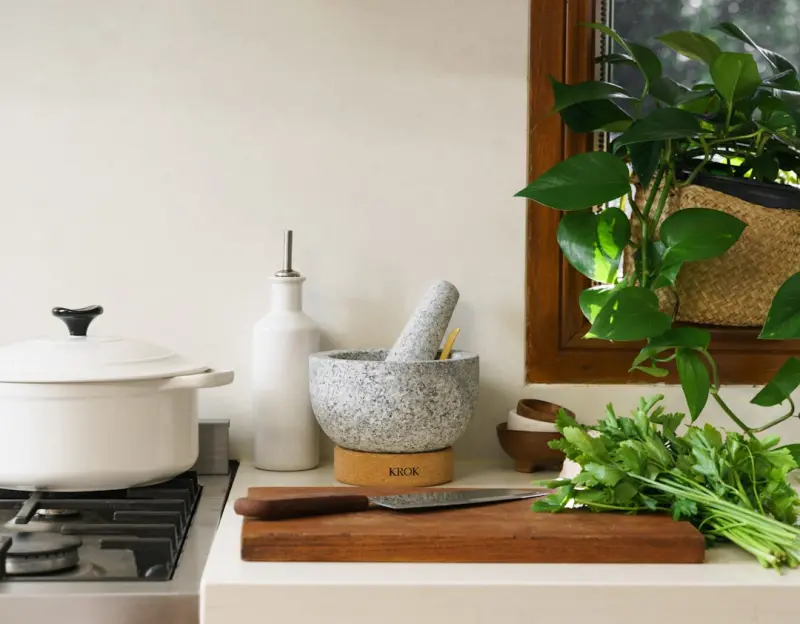
From Balcony to Bistro: Building a Year‑Round Kitchen Herb Oasis in Small Spaces
When I first moved into my modest studio apartment, the most “green” thing I owned was a lone pothos dangling from a macramé hanger. I missed the scent of fresh basil, the bright pop of rosemary, and the satisfying snap of a home‑grown mint leaf in a mojito. Rather than resign myself to store‑bought packets, I asked myself a simple question: How can I grow a thriving herb garden without a backyard? The answer turned into a hands‑on experiment that transformed my balcony, my kitchen, and even my mood. Below is a step‑by‑step guide to creating a lush, edible oasis that works in any compact living situation.
Why Herbs? The Tiny Powerhouse Plants
Herbs are the unsung heroes of the plant world. They require minimal space, can tolerate a range of light conditions, and reward you with flavors that elevate any dish—from a pinch of thyme on roasted vegetables to a generous handful of cilantro in a salsa. Moreover, many herbs possess natural aromatherapy benefits; the citrusy zing of lemon balm can calm nerves, while the invigorating scent of peppermint can sharpen focus. In short, a herb garden is a culinary ally and a wellness boost rolled into one.
Assessing Your Space: Light, Airflow, and Personality
Before you rush to the nearest garden center, take a few minutes to observe your environment:
- Light exposure: South‑facing windows usually provide 6‑8 hours of direct sunlight, ideal for sun‑loving herbs like basil and oregano. East or west windows give 3‑5 hours of milder light, perfect for parsley, chives, and mint.
- Airflow: A gentle breeze prevents fungal issues. If your balcony is wind‑sheltered, consider a small fan on low for circulation.
- Style vibe: Do you love industrial metal, rustic wood, or minimalist glass? Your container choices should echo the aesthetic you already cherish at home.
Mapping these factors will help you select the right containers, soil mixes, and herb varieties.
Choosing the Right Containers: Think Vertically
Space is premium, so go vertical. A tiered planter, a wall‑mounted pocket system, or repurposed pallets can multiply planting area without expanding your footprint. One of my favorite hacks is turning a multi‑functional furniture piece—like an ottoman—into a hidden herb garden. By hollowing out the interior and adding drainage holes, you create a discreet, stylish planter that doubles as seating.
Here are three container ideas that work beautifully on balconies and windowsills:
- Stackable wooden crates: Paint them in your favorite hue, line with a waterproof liner, and fill with high‑quality potting mix.
- Hanging glass terrariums: Perfect for trailing herbs like thyme and oregano; they add a modern, airy feel.
- DIY PVC pipe towers: Cut the pipe into sections, drill drainage holes, and stack them. The vertical design mimics a miniature garden column.
Soil, Water, and Feeding: The Trio of Success
Herbs thrive in a well‑draining, slightly alkaline soil. A blend of 40% peat moss, 30% perlite, and 30% compost creates a light medium that retains moisture without becoming soggy. When you first pot your herbs, give each plant a gentle press to eliminate air pockets, then water lightly until it drains from the bottom.
Watering schedules vary, but a good rule of thumb is to keep the top inch of soil moist. Use a spray bottle for delicate seedlings and a small watering can for mature plants. Overwatering is the most common mistake—if the leaves turn yellow or the soil smells sour, cut back.
Feed your herbs once a month with a balanced, water‑soluble fertilizer at half the recommended strength. This light feeding encourages vigorous growth without overwhelming the plants with excess nutrients.
Choosing Herbs That Complement Each Other
Companion planting isn’t just for large gardens; it works wonders in containers too. Pair herbs that share similar water and light needs, and avoid combinations that compete for nutrients. Here’s a starter lineup:
- Basil & tomatoes: Basil loves the same warm, sunny spot as tomato seedlings and can deter pests.
- Rosemary & sage: Both thrive in drier, well‑drained soil and love full sun.
- Mint & lemon balm: They prefer a slightly shadier nook and can share a larger pot to contain their vigorous spread.
Planting these pairs together maximizes flavor synergy and reduces the need for separate containers.
Creating a Sensory Experience: Sound, Scent, and Sight
While the primary goal is culinary, an herb garden can also become a mini‑sanctuary for your senses. Imagine the gentle rustle of rosemary leaves in a breeze, the bright green of basil against a concrete wall, and the soothing scent of lavender wafting through your balcony.
If you want to amplify the calming vibe, incorporate ambient soundscapes into your outdoor space. A discreet, weather‑proof speaker can play soft water trickles, birdsong, or a curated playlist of acoustic tunes. The combination of scent and sound not only enhances your garden’s ambiance but also supports mental clarity and creativity—perfect for those evenings when you’re prepping a fresh pasta sauce.
Seasonal Care: Keeping the Garden Productive Year‑Round
Most herbs are warm‑season plants, but with a few adjustments you can keep them thriving through cooler months:
- Move pots indoors: As daylight dwindles, relocate your containers to a sunny windowsill or a grow‑light setup.
- Use a humidity tray: Place a shallow tray of water beneath the pots; as the water evaporates, it raises humidity, preventing leaf drop.
- Prune strategically: Trim back half the foliage in late autumn to encourage new growth when spring returns.
By treating your herb garden as a dynamic, living system, you’ll enjoy fresh greens even when the outside world is frost‑bitten.
Harvesting Like a Pro: Maximizing Flavor and Plant Health
Harvesting is an art. For most herbs, the best time to snip is just before the plant reaches full maturity—this captures the peak of essential oils. Use clean, sharp scissors to cut just above a leaf node, which encourages the plant to branch out and become bushier.
Here are quick tips for each herb:
- Basil: Pinch off the top leaves regularly; this prevents the plant from flowering, which can make the leaves bitter.
- Mint: Harvest frequently; mint spreads quickly, and regular cutting keeps it manageable.
- Thyme: Trim stems just before they become woody; the younger shoots have a brighter flavor.
Remember, a well‑pruned herb rewards you with more foliage, so a little regular maintenance goes a long way.
From Garden to Table: Simple Recipes That Spotlight Fresh Herbs
To truly appreciate the fruits of your labor, try these quick, herb‑centric dishes:
- Herb‑Infused Olive Oil: Submerge a handful of rosemary and thyme sprigs in a bottle of high‑quality olive oil. Let sit for a week, then drizzle over roasted vegetables.
- Mint‑Lemon Water: Add a few fresh mint leaves and a slice of lemon to a pitcher of cold water. Refreshing and detoxifying.
- Basil Pesto: Blend fresh basil, garlic, pine nuts, Parmesan, and olive oil for a sauce that transforms pasta, sandwiches, and grilled chicken.
These recipes are simple enough for a weeknight but showcase the vibrant flavors that only garden‑fresh herbs can deliver.
Scaling Up: When Your Balcony Becomes a Mini‑Farm
If your herb garden flourishes and you crave more, consider expanding into a micro‑vegetable garden. Many leafy greens—like arugula, spinach, and kale—share similar soil and watering requirements as herbs, allowing you to co‑plant in the same containers. A mixed‑plant approach creates a more resilient ecosystem, as the varied root structures improve soil aeration and nutrient uptake.
Another fun upgrade is a small hydroponic system. While it requires an initial investment, a countertop hydroponic kit can produce herbs year‑round with minimal mess and no soil. The clean, high‑yield environment is perfect for tech‑savvy urban dwellers who love to experiment.
Wrapping Up: A Green Thumb is Within Reach
Whether you have a sun‑kissed balcony, a breezy windowsill, or just a corner of a room, growing a kitchen herb oasis is entirely doable. The process blends practical gardening skills with a dash of interior design, turning an often‑overlooked space into a vibrant, functional, and aromatic extension of your home. As you watch the first sprout break through the soil, you’ll feel a quiet sense of accomplishment—a reminder that even in the busiest of city lives, a little green can make a world of difference.
Ready to start? Gather your containers, pick your favorite herbs, and let the scent of fresh basil guide you toward a greener, tastier, and more peaceful living space.

Mei Chen is a dynamic professional who brings a unique blend of skills to Blogging Fusion. As a key contributor to the Blogging Fusion platform, she leverages her writing expertise to create engaging content that resonates with our audience.
Related Posts
Smart Soil Sensors: The Low‑Maintenance Garden Revolution
A deep dive into how smart soil sensors enable gardeners to automate watering, optimize nutrients, a... Read More
The Garden Desk Revolution: How Outdoor Workspaces Are Changing Home Life
Explore the rise of garden desks, learn design tips, and see how outdoor workspaces blend productivi... Read More

Native Plant Gardens: The Busy Professional’s Blueprint for Effortless Beauty
Learn how to create a beautiful native plant garden that thrives with minimal care, perfect for busy... Read More
Top Posts
The Secret Power of Window Boxes: Turning Light Into Lush
A heartfelt guide shows how a modest window box can turn a concrete view into a vibrant garden, offering health benefits, creative flair, and community connecti...Read More
Why My Garden Desk Is the Hottest Home & Garden Trend of 2024
Rose DesRochers reveals how her garden desk merges nature and work, boosting focus, wellness, and eco‑friendly living—making it 2024's must‑have home & ga...Read More

Employee‑Led Innovation Labs: Turning Everyday Talent into Corporate Superpowers
Employee‑led innovation labs empower front‑line talent to prototype solutions, driving revenue, efficiency, and engagement while turning everyday employees ...Read More
The Personal Care Toolkit: Tiny Rituals for Big Confidence
Learn to turn everyday grooming into a mini‑adventure with multisensory tools, sustainable swaps, and micro‑movements that elevate mood, focus, and skin hea...Read More
0 Comments
Post Comment
You will need to Login or Register to comment on this post!