
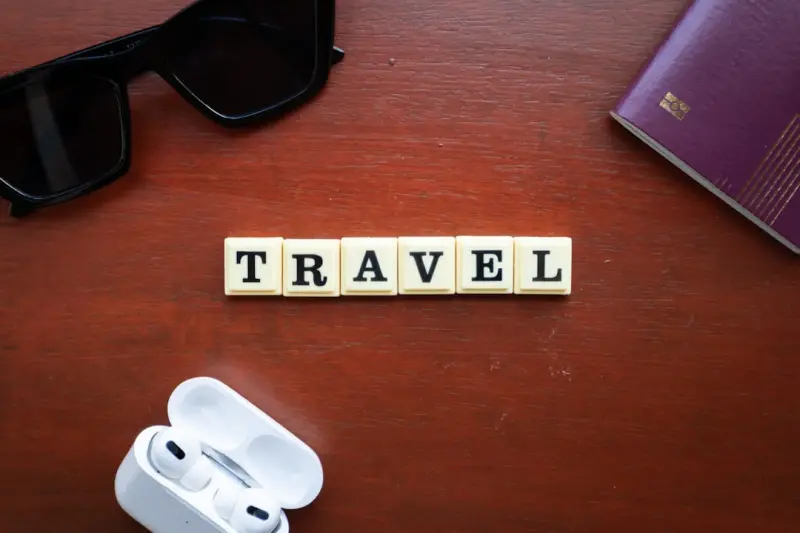
Travel as a Business Innovation Lab
When I first stepped off a bustling train in Kyoto, I didn’t think I was about to unlock a new strategic advantage for my organization. I was simply chasing the scent of fresh sushi and the hum of neon signs. Yet, that very moment sparked a realization that has reshaped how I approach both work and life: travel isn’t just a break from the office; it’s a high‑impact laboratory for testing ideas, building empathy, and sharpening decision‑making.
The Unseen Data Stream of a Journey
Every trip generates a torrent of sensory data—sounds, sights, smells, even the texture of a cobblestone street underfoot. While most travelers catalog memories in photos, the truly curious mind treats each observation as a data point. This mindset aligns perfectly with modern product development cycles: observe, hypothesize, test, iterate.
Imagine you’re in a small town market in Oaxaca, watching vendors arrange produce in a rhythm that feels almost choreographed. The way they group colors, the flow of foot traffic, and the spontaneous conversations around a shared tasting table—all of these micro‑interactions reveal how people naturally organize information and prioritize experiences. Capture those patterns, and you have a fresh lens for designing user journeys, onboarding flows, or even office layouts that feel intuitive.
Cross‑Cultural Immersion Boosts Empathy, the Core of Leadership
Empathy is the cornerstone of effective leadership, yet it’s notoriously hard to teach in a classroom. Immersion in unfamiliar cultures forces you to confront assumptions, decode non‑verbal cues, and navigate ambiguity. In my recent trek across the highlands of Ethiopia, I spent evenings sharing tea with locals who communicated more through pauses than words. Those silent moments taught me to listen for intent rather than just content—a skill that translates directly into boardrooms where reading between the lines can mean the difference between a successful pivot and a costly misstep.
Research from leading business schools shows that leaders who have lived abroad exhibit higher cultural intelligence scores and are more adept at managing diverse teams. The lesson? Structured travel experiences can serve as accelerated empathy bootcamps, preparing executives to lead with nuance in today’s global markets.
From Tourist to Field Researcher: Turning Curiosity into Action
Travel often comes with a built‑in “research grant”—the budget is allocated, the itinerary is set, and the stakes feel low because you’re outside the usual performance metrics. This freedom creates a fertile ground for experimentation:
- Prototype Environments: Test a new brainstorming technique while perched on a cliffside café in Portugal. The unconventional setting can surface ideas that a sterile conference room would smother.
- Rapid Feedback Loops: Present a concept to strangers in a hostel common area and gauge their raw reactions. Their honesty—unfiltered by corporate politeness—provides brutally useful insight.
- Iterative Learning: Document each day’s observations in a travel journal, then spend a dedicated hour each evening synthesizing patterns. Over the course of a week, you’ll have a mini‑case study complete with hypotheses and early conclusions.
This approach mirrors the niche travel trends reshaping wanderlust that are gaining traction among forward‑thinking professionals who see every journey as a chance to innovate.
Design Thinking on the Move
Design thinking thrives on three pillars: empathy, ideation, and prototyping. Travel naturally satisfies each. While wandering through the winding lanes of Marrakech, I practiced “empathic observation” by noting how merchants adjusted their stalls based on weather and foot traffic. Later, in a bustling co‑working space in Berlin, I hosted an impromptu ideation session with fellow travelers from three different continents, each bringing a unique perspective on solving a common logistical challenge: packing efficiently for long‑term trips.
When it came time to prototype, I used a simple sketchbook to map out a new luggage organization system inspired by the modular trays used by street vendors in Bangkok. By the end of the trip, I had a tangible concept ready for a quick prototype back home—a testament to how travel compresses the design cycle.
Leveraging Technology Without Losing the Human Touch
Digital tools can amplify the insights gathered on the road, but they must be used judiciously. While I was in Reykjavik, I leveraged a note‑taking app to tag observations by theme—“mobility,” “social interaction,” “environmental cues.” Later, back at the office, I synced those tags with our team’s knowledge base, creating a searchable repository of travel‑derived insights.
Yet, the most powerful outcomes emerged when I paired technology with human conversation. In a shared hostel lounge, I invited fellow travelers to co‑author a short “travel‑to‑innovation” playbook. The collaborative document combined the structure of my app with the spontaneous creativity of the group, illustrating how the right mix of tech and human input can turn wanderlust into actionable strategy. For a deeper dive into how technology can become a partner in creative processes, check out the piece on leveraging technology for creative insight.
Integrating Travel Learnings into Organizational Culture
To ensure travel insights don’t evaporate once you return to the office, embed them into your company’s rituals:
- Travel Debrief Sessions: Allocate a 30‑minute slot during weekly meetings for returning employees to share key observations and potential applications.
- Cross‑Team Storytelling: Pair travelers with colleagues from different departments to co‑create case studies that translate cultural insights into product or service improvements.
- Travel‑Inspired Innovation Sprints: Use the “field research” mindset to launch short, intensive sprints focused on solving a problem identified during a trip.
These practices not only preserve the value of travel but also signal to the broader team that exploration is an integral part of strategic growth.
Balancing Exploration with flexible location strategies for teams
Many organizations are already experimenting with flexible work locations, but they often stop at the “remote‑first” label. The next evolution is to treat travel as a strategic resource, not an optional perk. By aligning travel goals with business objectives—whether it’s scouting emerging markets, gathering competitive intelligence, or fostering cross‑cultural collaboration—you turn each trip into a measurable investment.
To make this work, define clear outcomes before you go. Ask yourself: What hypothesis am I testing? Which stakeholder will benefit? How will I capture the data? When these questions are answered, travel budgets become R&D expenditures, and the ROI can be tracked through subsequent product improvements, market expansions, or talent acquisition successes.
Conclusion: Make Travel Your Competitive Edge
Travel has long been celebrated for its personal rewards—memories, relaxation, adventure. Yet, for forward‑thinking professionals, it can also be a catalyst for business transformation. By approaching each journey as a structured experiment—observing, empathizing, ideating, and prototyping—you unlock a wellspring of insights that can accelerate innovation, deepen leadership empathy, and sharpen strategic decision‑making.
The next time you book a flight, think beyond the destination. Consider the questions you’ll ask, the patterns you’ll observe, and the experiments you’ll run. In the quiet moments between boarding calls, you’ll find that the world itself is a living lab, waiting for you to turn wanderlust into a sustainable competitive advantage.

Robert Mathews is a professional content marketer and freelancer for many SEO agencies. In his spare time he likes to play video games, get outdoors and enjoy time with his family and friends .
Related Posts
Microadventure Mastery: Turning Short Breaks into Epic Stories
Learn to craft microadventures that transform everyday moments into epic stories, using simple plann... Read More
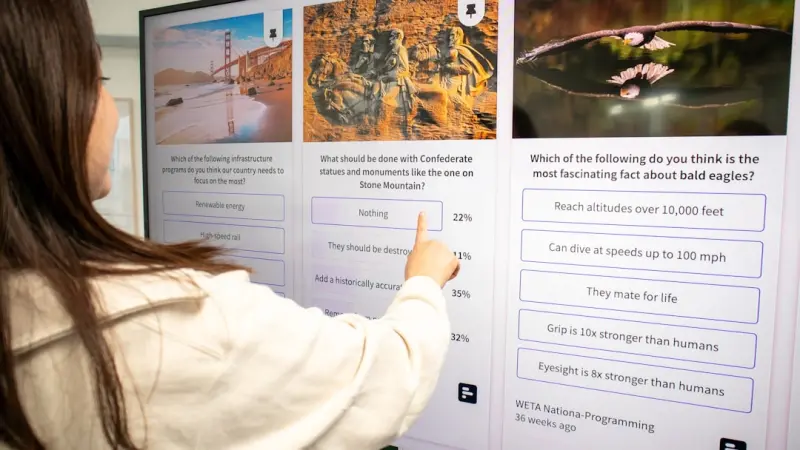
Mapping Memories: The New Hybrid Approach to Travel Journaling
Explore a fresh travel practice that combines the tactile depth of handwritten journals with AI‑en... Read More

Sensory Immersion Travel: Designing Trips That Speak to Your Senses
Travel isn’t just about places—it’s about the full-body sensations that shape memory. Learn ho... Read More
Top Posts
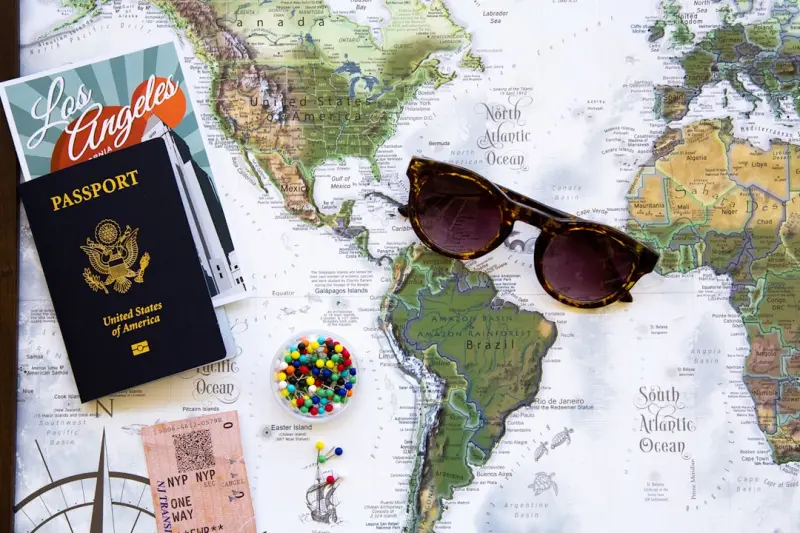
Passport to Flavor: How Food‑First Travel Transforms Your Worldview
Food‑first travel uses cuisine as a cultural guide, turning each bite into a lesson in history, sustainability, and personal growth, while sharpening professi...Read More

Unlocking the Skin Microbiome: A New Frontier in Personal Care
The article dives into the emerging science of the skin microbiome, offering a practical roadmap to transition to microbiome‑friendly routines, highlighting t...Read More

Why Your Bathroom Should Feel Like a Spa: The Science of Sensory Personal Care
Explore the science behind scent, sound, texture, temperature, and lighting in the bathroom, and learn practical, low‑cost upgrades that turn routine personal...Read More

Rewire Your Brain at Work: Unconventional Mental‑Health Tactics
A fresh look at mental‑health resilience for knowledge workers, featuring micro‑movement breaks, purposeful workspace tweaks, narrative journaling, peer acc...Read More
0 Comments
Post Comment
You will need to Login or Register to comment on this post!