
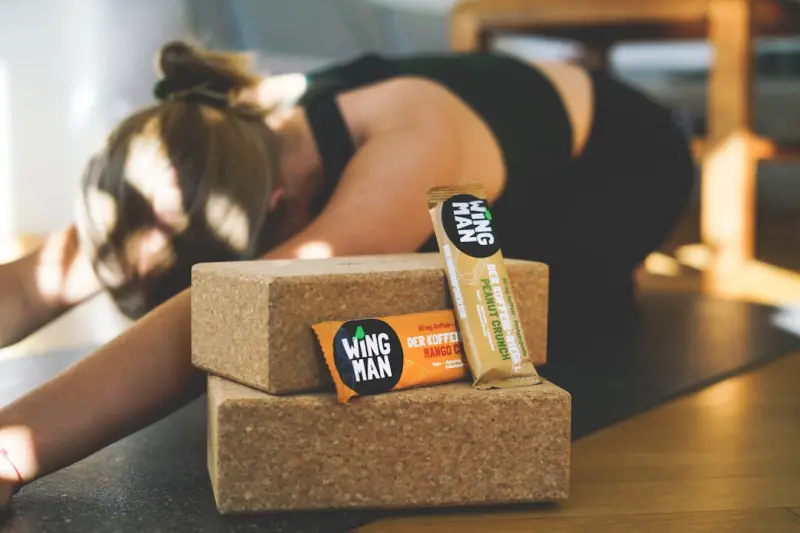
Why Tiny Exercise Bursts Matter More Than a Full‑Blown Gym Session
When I first heard the phrase “movement snack,” I imagined a literal bite of exercise—something you could chew on between meetings, emails, and coffee refills. The idea stuck because it flips the traditional health narrative on its head. Instead of waiting for a two‑hour block to hit the gym, we treat movement like a snack: quick, intentional, and repeatable throughout the day. This shift is especially potent for professionals who spend most of their waking hours glued to a screen. The cumulative impact of a handful of 30‑second to 2‑minute bursts can rival, and in some cases surpass, the benefits of a single, longer workout.
The Science Behind Micro‑Bursts of Activity
Research in exercise physiology now shows that short, high‑intensity intervals trigger the same metabolic cascades as longer sessions. When you stand, stretch, or do a set of bodyweight squats for a minute, your muscles release myokines—signaling proteins that reduce inflammation and improve insulin sensitivity. Even a 60‑second plank can elevate heart rate enough to stimulate cardiovascular conditioning without leaving your desk.
Beyond the cellular level, there’s a neurological payoff. Brief bouts of movement stimulate the locus coeruleus, flooding the brain with norepinephrine, which sharpens focus and lifts mood. That’s why you often feel a mental “reset” after a quick walk to the water cooler. The key is consistency: sprinkling these snacks throughout the day creates a rhythm that keeps both body and brain primed for performance.
Designing Your Personal Movement Snack Schedule
Just as you wouldn’t eat a bag of chips without a plan, you shouldn’t rely on random stretches. A purposeful schedule turns movement into a habit, not an afterthought. Here’s a simple framework to start:
- Identify natural break points: Look for recurring moments—right after checking email, before the next Zoom call, or when the coffee machine pings.
- Choose a snack type: Decide whether you want a mobility snack (neck rolls, wrist stretches), a strength snack (wall push‑ups, chair squats), or a cardio snack (marching in place, jumping jacks).
- Set a timer: Use a phone alarm, a smartwatch, or even a calendar reminder. The cue is the cue; the reward is the burst of energy that follows.
- Track and iterate: Log each snack in a habit tracker. Notice patterns—do you feel more productive after a strength snack? Adjust accordingly.
For those who thrive on data, this is where technology can become a quiet ally.
Tech‑Enabled Movement: Let AI Be Your Quiet Co‑Pilot
Remember the AI as a Quiet Co‑Pilot for Everyday Decision‑Making article? The same principle applies to movement. Modern AI assistants can analyze your calendar, detect low‑energy windows, and suggest tailored snack routines. Imagine a smart assistant that says, “You have a 15‑minute gap before your next meeting—try a 1‑minute standing calf raise series.”
Wearable devices are also catching up. While many focus on step counts, the next wave of wearables tracks micro‑movements and nudges you when you’ve been sedentary for too long. Pair that data with AI‑driven recommendations, and you get a personalized, adaptive system that learns the rhythm of your workday and optimizes your snack timing.
Integrating Movement Snacks with Mindful Practices
If you’ve read Micro‑Moments of Mindfulness for Busy Professionals, you know the power of brief, intentional pauses. Marrying mindfulness with movement creates a double‑dip effect: you reset both the nervous system and the musculoskeletal system. Try this combined routine:
- Close your eyes for three breaths, grounding yourself in the present.
- Rise to a standing position and perform five slow, deliberate shoulder rolls.
- Open your eyes, smile, and note any shift in mental clarity.
This 30‑second ritual not only improves posture but also trains your brain to associate movement with calm, making it easier to slip into flow states later.
Real‑World Examples: From Solo Workers to Large Teams
Solo freelancers often work in coffee shops or home offices where they control the environment. One of my clients, a freelance graphic designer, set a timer for every 45 minutes. He does a “desk dip” (a modified push‑up using his chair) followed by a 10‑second deep inhale. After two weeks, his reported neck tension dropped by 40% and his client turnaround time improved.
Mid‑size tech companies have taken the concept further by institutionalizing “movement snack breaks” during sprint retrospectives. Instead of a 15‑minute meeting that drifts, the team stands, does a quick series of lunges, and then reconvenes. The result? Higher engagement scores and a measurable dip in reported eye strain.
Even corporate wellness programs are experimenting with “movement snack challenges,” where departments compete to log the most snack minutes per week. The gamified element drives participation, while the data collected helps HR fine‑tune future health initiatives.
Overcoming Common Barriers
It’s easy to dismiss movement snacks as “just a gimmick,” especially when you’re entrenched in a high‑pressure environment. Here are three proven strategies to break through resistance:
- Address the “no time” myth: A 60‑second snack is literally less time than scrolling through a social feed. Reframe the conversation from “finding time” to “making time.”
- Normalize the behavior: Share your snack routine with teammates. When leaders model it, the cultural norm shifts.
- Remove friction: Keep a resistance band or a small set of dumbbells within arm’s reach. The less you have to prepare, the more likely you are to act.
Embedding Movement Snacks into Corporate Culture
Culture change starts with policy, but it thrives on everyday practice. Consider these steps for leaders who want to embed movement snacks at scale:
- Policy endorsement: Add a line to the employee handbook that encourages short movement breaks every hour.
- Infrastructure support: Install standing desks, wall‑mounted stretch bars, or designated “movement zones” in the office.
- Data‑driven feedback: Use anonymized wearable data to publish monthly wellness dashboards, celebrating teams that hit snack targets.
- Recognition: Highlight “Snack Champions” in internal newsletters, reinforcing the behavior as a valued contribution.
When movement becomes a visible, celebrated part of the workday, it ceases to be an oddball habit and becomes a cornerstone of employee well‑being.
Future Trends: From Snacks to Full‑Course Nutrition for the Body
Looking ahead, we’ll likely see movement snacks integrated with nutritional timing. Imagine an AI that not only suggests a 2‑minute squat burst before a high‑focus task but also recommends a protein‑rich snack afterward to maximize muscle recovery. This holistic “micro‑nutrition” approach could redefine workplace health, turning every minute into an opportunity for optimization.
Until then, the simplest entry point is still the one‑minute stretch. Start small, stay consistent, and watch as your energy, focus, and overall health begin to feel like they’ve been “snacked” on all day long.

Seth Samual is a name that's quickly becoming synonymous with compelling and insightful writing. As a freelance writer, Seth has carved a niche for himself by delivering high-quality content across a diverse range of subjects.
Related Posts
Micro‑Movement Mastery: Tiny Actions, Big Health Gains
Micro‑movements—short, deliberate actions performed throughout the workday—can dramatically im... Read More

Illuminating Health: How Light Shapes Your Body and Mind
Light is a silent regulator of our hormones, mood, and sleep. This article unpacks the science of li... Read More

Finding the Forest Within: How Urban Forest Bathing Recharges Body, Mind, and Career
Urban forest bathing offers a simple, science‑backed way to reset stress, boost immunity, and enha... Read More
Top Posts
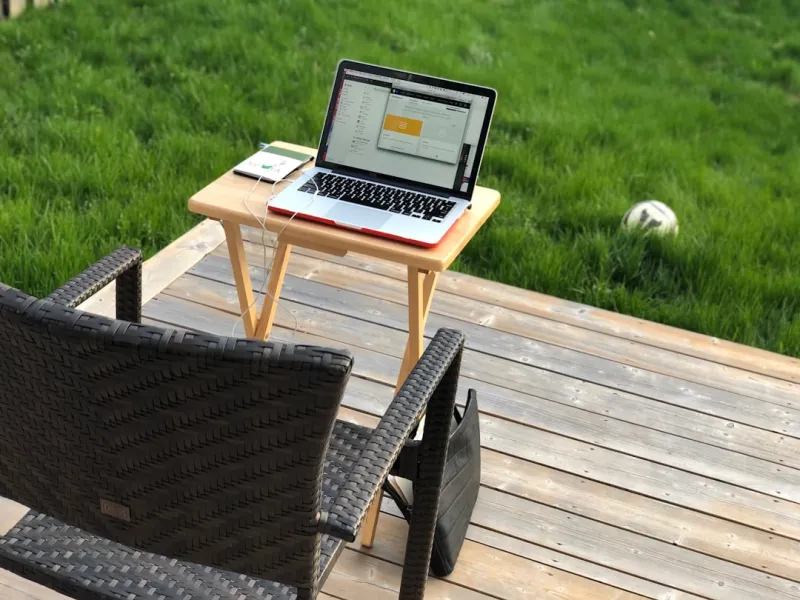
Why Garden Desks Are the Ultimate Employment Game‑Changer in 2026
A personal look at how garden desks are redefining work in 2026—boosting productivity, wellness, and talent attraction by turning outdoor spaces into high‑p...Read More
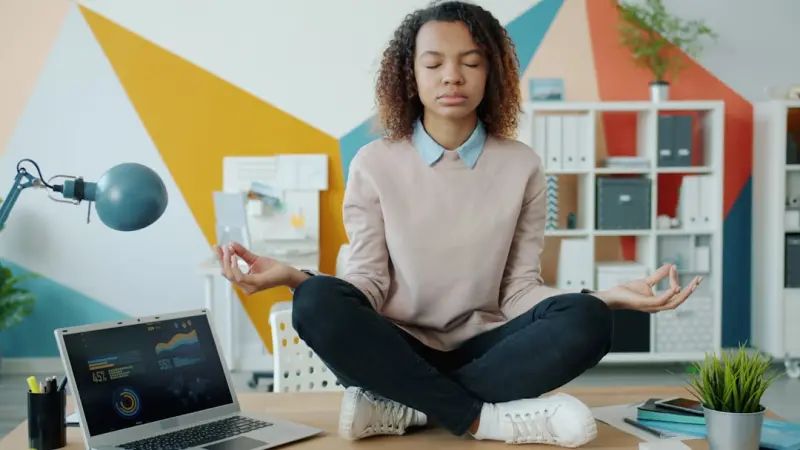
Quieting the Mind: How Sound Shapes Workplace Mental Health
The article reveals how thoughtful acoustic design, from sound‑absorbing panels to personalized noise‑cancelling tools, can transform noisy workspaces into ...Read More
When Machines Meet Morality: Crafting Ethical AI for Business Impact
Ethical AI is no longer optional; it’s a strategic advantage. This article outlines practical frameworks, real‑world examples, and measurable ROI for compan...Read More
Garden Desks: The Unexpected Edge for Modern Workers
A garden desk isn’t just a piece of furniture; it’s a productivity catalyst that blends nature with work, giving you a competitive edge in today’s employm...Read More
0 Comments
Post Comment
You will need to Login or Register to comment on this post!