
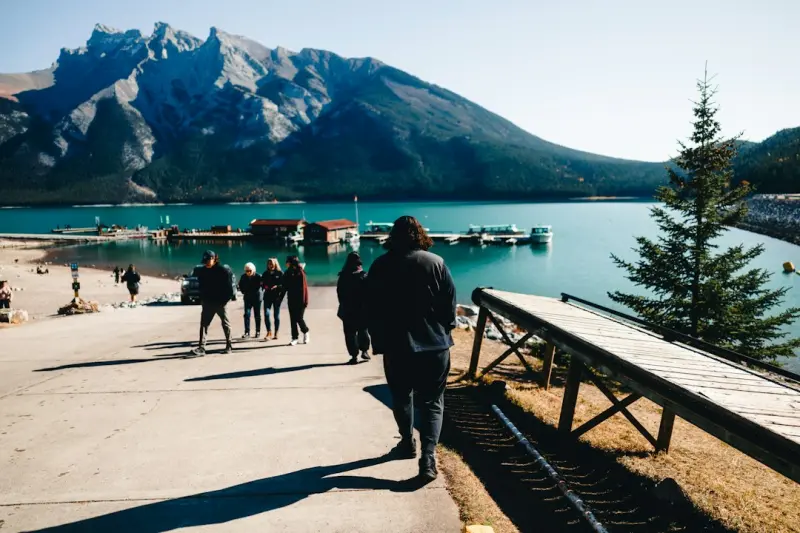
When the laptop becomes my passport and the Wi‑Fi signal is the only runway I need, travel stops feeling like a checklist of sights and starts feeling like a living, breathing classroom. I’ve spent the last few years hopping between co‑working cafés in Lisbon, surf‑side huts in Bali, and rooftop gardens in Medellín, and each stop taught me something far richer than any guidebook could promise: the power of community‑first travel. This isn’t about ticking off monuments or curating an Instagram feed; it’s about weaving yourself into the fabric of a place, learning its rhythms, and leaving a positive imprint while you’re at it.
Why Community‑First Travel Beats the Tourist Playbook
Traditional tourism often follows a predictable loop: arrive, snap photos, sip a trendy cocktail, and depart. The economic benefit of that model is uneven, funneling most revenue into large hotels, multinational chains, and a handful of well‑trodden attractions. In contrast, community‑first travel redirects the flow of dollars—and goodwill—directly to local entrepreneurs, artisans, and neighborhood initiatives.
- Economic Ripple Effect: When you stay in a locally‑run guesthouse, eat at a family‑owned eatery, or join a community‑run tour, a larger slice of your spending stays in the hands of residents, supporting schools, healthcare, and small‑business growth.
- Cultural Immersion: Engaging with locals on their own turf—whether that’s sharing a cooking class, learning traditional crafts, or participating in a neighborhood cleanup—gives you insights that a five‑day tour simply can’t match.
- Personal Growth: Stepping out of the tourist bubble forces you to adapt, listen, and negotiate in ways that sharpen empathy and problem‑solving skills—attributes that translate directly to better performance in remote work.
It’s a win‑win: you get richer experiences, and the places you visit benefit from a more sustainable, respectful form of tourism.
Designing a Remote‑Work‑Friendly Itinerary That Prioritizes People
The first step is to treat your itinerary as a living document, not a rigid schedule. Below is a framework I’ve refined through trial and error, which you can tailor to any destination.
- Identify Community Hubs: Look for coworking spaces that double as cultural centers. In many cities, these spaces host language exchanges, art shows, or local business meet‑ups. Booking a desk there gives you an instant network.
- Choose “Stay‑with‑Locals” Over Hotels: Platforms that connect travelers with host families or independent guesthouses often provide deeper cultural context. Ask your host about neighborhood events, markets, or volunteer opportunities.
- Schedule “Purposeful Pauses”: Instead of scrolling through social media during breaks, allocate time for community activities—like a morning market stroll or an afternoon workshop.
- Leverage Tech Wisely: Use AI‑driven tools to streamline logistics without sacrificing authenticity. For instance, an AI‑powered travel planner can suggest off‑beat eateries, local festivals, and safe coworking spots based on your preferences and work schedule.
- Set Sustainable Goals: Define a small, measurable impact you want to achieve—whether it’s donating a set amount to a community project, volunteering ten hours, or simply learning a phrase in the local language.
This approach keeps your work responsibilities on track while ensuring each day feels purposeful beyond the screen.
Real‑World Examples: How I Integrated Community Into My Remote Stints
Lisbon’s Alfama Neighborhood
When I landed in Lisbon, my first instinct was to book a sleek hotel near the river. Instead, I chose a modest apartment in Alfama, a historic quarter known for its winding streets and fado music. The landlord, a retired teacher, invited me to a weekly “Café da Manhã Comunitário” where neighbors gather over homemade pastries and discuss neighborhood projects. I ended up helping organize a mural that celebrated local maritime history. Not only did I get a unique photo opportunity, but I also contributed to preserving a piece of cultural heritage.
Surf‑Side Sustainability in Bali
In Bali, I partnered with a surf camp that doubles as a marine‑conservation nonprofit. My mornings were spent catching waves, and my afternoons were dedicated to data‑entry for their coral‑monitoring database. The camp’s owner explained how tourists’ contributions fund reef‑restoration dives, creating a direct link between leisure and ecological impact. I also learned basic Balinese cooking from a fellow surfer‑volunteer, turning our shared meals into cultural exchanges.
Rooftop Gardens in Medellín
Medellín’s transformation from a once‑dangerous city to an urban innovator is a case study in community‑led design. I booked a stay at a co‑living space perched on a rooftop garden managed by a local cooperative. Residents grew organic produce, hosted weekly workshops on urban farming, and invited guests to join the harvest. My remote work sessions were punctuated by the scent of fresh basil, and I left with a handful of seed packets and a new appreciation for food sovereignty.
Tools and Resources to Keep You Connected
While the magic of community travel happens in real life, a few digital tools can help you stay organized and informed.
- Local Event Calendars: Many cities have Facebook groups or community bulletin boards where residents post free events, workshops, or volunteer calls.
- Language Exchange Apps: Platforms like Tandem or HelloTalk let you practice the local language while making friends who can guide you to hidden gems.
- Impact‑Tracking Sheets: Just as you might track work hours, create a simple spreadsheet to log hours volunteered, money donated, or skills shared. Seeing your contributions quantified can be motivating.
- Travel Blueprint Guides: If you need a structured starting point, check out our personal adventure blueprint. It walks you through aligning travel goals with personal growth, which pairs nicely with a community‑first mindset.
Overcoming Common Challenges
Even the most well‑intentioned traveler can hit roadblocks. Here are three hurdles I’ve encountered and how I navigated them.
1. Language Barriers
Not speaking the local language can feel intimidating, but it also opens doors to genuine connection when you make the effort. Start with a few essential phrases, use gestures, and don’t shy away from asking locals to teach you. People often appreciate the humility and are eager to share their culture.
2. Balancing Work Deadlines With Community Activities
The temptation to over‑schedule “authentic experiences” can jeopardize productivity. My solution? Block out core work hours first, then fill the remaining time with community activities. Treat those activities like meetings—set reminders and respect the time commitment.
3. Navigating Cultural Sensitivities
Every community has its own norms around hospitality, gender roles, and public behavior. Before arriving, do a quick cultural etiquette check. If you’re unsure, observe and ask politely. A respectful approach often turns curiosity into conversation.
The Long‑Term Payoff: A Portfolio of Relationships, Not Just Photos
When you prioritize community, your travel memories become relational assets. Years later, you might find yourself receiving a job referral from a coworking host in Buenos Aires, or an invitation to a family wedding in Accra because you once helped organize a local clean‑up. Those connections can translate into business opportunities, collaborations, or simply a network of friends around the globe.
Moreover, the mindset you develop—listening, adapting, contributing—enhances your professional performance. Remote teams value employees who can navigate ambiguity, communicate across cultures, and bring fresh perspectives. Community‑first travel is essentially a live‑action training ground for those skills.
Take the First Step: Your Community‑First Travel Challenge
Ready to turn your next remote‑work stint into a community‑building adventure? Here’s a simple 5‑day challenge to get you started:
- Day 1 – Research & Book: Identify a destination with a known coworking‑community hub. Book a stay with a local host or a guesthouse that emphasizes community activities.
- Day 2 – Connect: Reach out to the host or coworking space ahead of arrival. Ask about upcoming events or volunteer opportunities.
- Day 3 – Participate: Attend a community event—be it a language exchange, a market tour, or a neighborhood clean‑up.
- Day 4 – Contribute: Offer a skill you have—maybe a quick workshop on digital tools, photography basics, or English tutoring.
- Day 5 – Reflect & Share: Write a short reflection on the impact you felt both given and received. Share it on your blog or social channels, tagging the local partners to amplify their work.
This mini‑experiment will give you a taste of the deeper fulfillment that comes from blending work, travel, and community impact.
Final Thoughts: Travel as a Two‑Way Street
Travel isn’t a one‑way extraction of experiences; it’s a two‑way street where you give as much as you receive. By anchoring your remote‑work adventures in community engagement, you transform ordinary trips into purposeful journeys that enrich both your personal narrative and the places you visit. The next time you book a flight, ask yourself: “How can I make this stay count for the people who call this place home?” The answer will lead you to stories worth telling, friendships worth keeping, and a world that feels a little smaller—and a lot kinder.

In the world of freelance writing, where creativity and adaptability are paramount, Michelle Fisher stands out as a dedicated and versatile professional. With a passion for crafting compelling narratives and a keen eye for detail, Michelle has established herself as a trusted voice.
Related Posts

Turning Everyday Commutes into Micro‑Adventures
Learn to treat daily routes as micro‑adventures, using intentional pauses, a sensory backpack, and... Read More
Why Traveling the Unknown Turns You Into a Better Decision‑Maker
Exploring unfamiliar places forces rapid choices, cultural decoding, and resilience, training the br... Read More

Why Listening to Local Soundscapes Transforms Your Travel Experience
Explore the power of travel soundscapes: learn to capture, curate, and use ambient audio from destin... Read More
Top Posts
Scented Garden Pathways: A Fragrant Walk Through Your Backyard
Discover how to design a scented garden pathway that delights the senses, attracts pollinators, and requires minimal upkeep, turning every walk into an aromatic...Read More

Finding Freedom on the Road: How a Digital Detox Transforms Travel
A digital detox isn’t just a trend—it’s a pathway to deeper, more meaningful travel. Learn why turning off devices, choosing low‑connectivity destinatio...Read More

AI as a Strategic Ally: Redefining Decision‑Making in the Modern Enterprise
Treat AI not just as a tool but as a trusted partner in business decisions. This post outlines cultural shifts, practical patterns, and governance steps to embe...Read More

Why Laughter May Be the Best (and Simplest) Health Prescription
Laughter does more than lift spirits; it triggers endorphins, enhances immune function, and reduces cortisol. This article explores the science, workplace benef...Read More
0 Comments
Post Comment
You will need to Login or Register to comment on this post!