
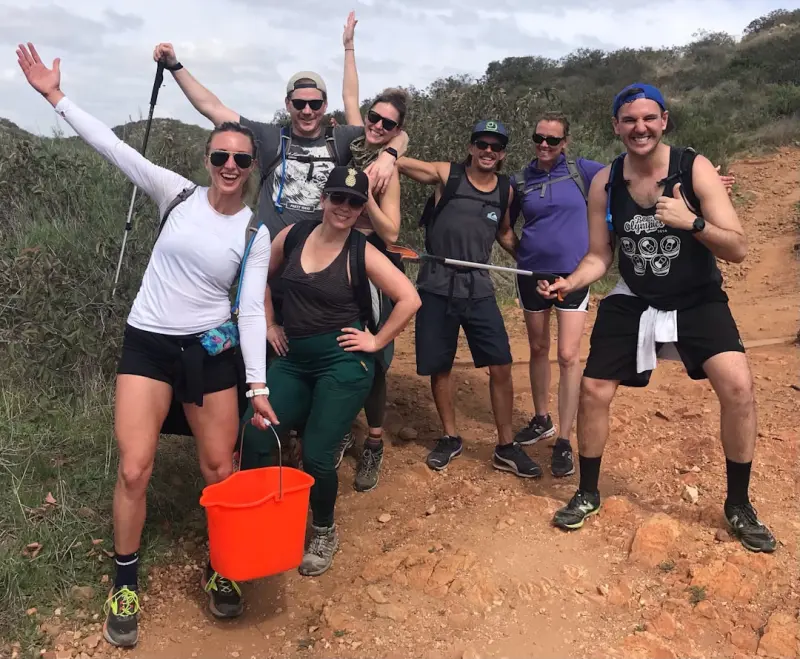
When most people think about travel, they picture postcard‑perfect vistas, Instagram‑worthy meals, and the occasional bout of jet‑lag. I used to be the same—packing a suitcase, chasing the next “must‑see” landmark, and then returning home with a camera roll full of photos but a mind that felt oddly unchanged. That changed the moment I decided to treat each journey not as a break from work, but as a living laboratory where curiosity, skill‑building, and real‑world experimentation become the itinerary.
Why Travel Should Be Your Next Learning Lab
Travel is inherently unpredictable. Flights get delayed, street vendors speak a language you don’t understand, and the only thing you can count on is the constant flow of new stimuli. This chaos is a goldmine for learning because it forces you to:
- Observe with intention. The moment you stop treating sights as background noise, you start noticing patterns, textures, and cultural cues that would otherwise slip past.
- Adapt on the fly. From navigating a foreign metro system to improvising a dinner when a reservation falls through, you’re forced to rehearse problem‑solving in real time.
- Capture feedback instantly. In a foreign market, a smile from a vendor is immediate validation; a mispronounced word is instant correction.
These three pillars—observation, adaptation, and feedback—are exactly what high‑performing teams practice in the office, only amplified by the stakes of being out of your comfort zone.
The “Micro‑Learning” Approach to Layovers
If you’ve ever stared at the clock during a 12‑hour layover, you’ve already got a perfect window for micro‑learning. Instead of scrolling through endless travel blogs, pick a bite‑sized skill that aligns with your surroundings. Want to pick up basic conversational phrases in the local language? Use a language app for ten minutes, then test it on a coffee shop barista. Interested in local cooking techniques? Grab a quick kitchen tour at a nearby market and practice chopping herbs with a local chef.
In fact, the concept of Micro‑Learning: The Secret Weapon for Future‑Ready Teams isn’t limited to corporate training; it works wonders when you turn airport lounges into pop‑up classrooms. The key is to keep the learning objective tiny—something you can practice, receive feedback on, and iterate within the span of a coffee break.
Turn Curiosity Into Action With an AI Companion
Modern travel isn’t just about what you see; it’s also about what you ask. Imagine having an AI Curiosity Companion in your pocket that can take a fleeting observation—say, a peculiar street art motif—and instantly suggest related cultural histories, design principles, or even a quick DIY project you can try back home. This transforms idle wonder into purposeful inquiry.
Here’s how you can emulate that experience without a dedicated app:
- Capture the spark. Jot down a one‑sentence note on your phone whenever something catches your eye.
- Ask a “why” question. Instead of “What’s that building?”, try “Why did they choose this architectural style here?”
- Research on the go. Use a lightweight browser or a pre‑downloaded offline encyclopedia to explore the answer within the next hour.
- Apply the insight. If you learn about a traditional weaving technique, try replicating a simple pattern on a small loom or even with a paper craft.
By treating each curiosity as a mini‑experiment, you turn the entire trip into a series of low‑stakes research projects, each reinforcing a new piece of knowledge.
Skill‑Stacking on the Road
Ever heard of “skill‑stacking”? It’s the idea that combining two or three seemingly unrelated abilities creates a unique competitive edge. Travel offers a playground for stacking:
- Photography + Storytelling. Snap a photo, then write a two‑sentence narrative that captures the scene’s mood. This hones both visual composition and concise writing.
- Navigation + Data Literacy. Use public transit apps, note patterns in arrival times, and later visualize them in a spreadsheet to spot inefficiencies.
- Negotiation + Cultural Anthropology. Barter for a souvenir, paying attention to the cultural norms that shape the exchange. You’ll sharpen persuasive tactics while deepening cultural empathy.
The beauty of skill‑stacking on the road is that the “practice arena” is built‑in. You’re not carving out time after work; the environment forces you to use the skills you’re developing.
Designing Your Own Travel‑First Learning Framework
To make the most of this approach, I recommend a simple framework I call Explore‑Experiment‑Reflect:
- Explore. Identify a context that naturally aligns with a skill you want to develop—whether it’s a bustling market for negotiation or a historic museum for visual analysis.
- Experiment. Set a micro‑goal: “Ask three locals for directions using only gestures,” or “Sketch three building facades in ten minutes.”
- Reflect. At the end of the day, spend ten minutes jotting down what worked, what didn’t, and how you might iterate tomorrow.
This loop mirrors the agile sprint cycle used in product development, but it’s lightweight enough to fit into any itinerary. Over a week‑long trip, you’ll have a portfolio of mini‑projects that collectively boost competence and confidence.
Real‑World Examples From My Recent Trips
Below are three snapshots from my own travel experiments that illustrate the power of this mindset.
1. The “One‑Word Pitch” Challenge in Buenos Aires
In a co‑working café, I challenged myself to explain my SaaS product in exactly one Spanish word to a local entrepreneur. The result? A rapid brainstorming session that uncovered a new market positioning: “Conexión.” This forced me to distill my value proposition to its emotional core, a skill that translates directly to pitch decks back at the office.
2. Urban Sketching in Kyoto
Armed with a pocket‑sized sketchbook, I spent an hour each morning drawing a different alleyway. The practice sharpened my observational detail, which later helped me notice subtle UX patterns in a new app prototype. The sketches also became a visual travel diary that clients loved during a remote presentation.
3. Data‑Driven Street Food Review in Marrakech
I logged the price, ingredients, and waiting time for every street food stall I tried. Back at my hotel, I plotted the data in a simple chart, revealing that stalls near the central square offered the best value‑to‑taste ratio. This exercise reinforced my habit of turning raw observations into actionable insights—exactly what I do when analyzing product metrics.
Integrating Travel‑Learnings Into Your Daily Work
It’s tempting to file these experiences away as “fun vacation stories,” but the real value emerges when you deliberately bridge them back to your professional life. Here’s how:
- Create a “Travel Insights” board. Use a digital tool like Trello or Notion to pin photos, notes, and data points collected on the road. Review the board quarterly to surface recurring themes.
- Share micro‑case studies. In team meetings, allocate five minutes for a colleague to present a travel‑derived experiment and its outcome.
- Translate cultural observations into product empathy. If you noticed a particular pain point while navigating a foreign transit system, consider whether similar friction exists in your user journey.
When you treat travel as a catalyst for professional growth, you’ll find that the line between “vacation” and “development” blurs into a single, enriching experience.
Tools to Enhance Your Travel‑First Learning
While the framework is simple, a few digital tools can streamline the process:
- Voice‑to‑text note apps. Capture observations hands‑free while walking through a market.
- Lightweight spreadsheet apps. Log quantitative data (prices, wait times) without needing a laptop.
- Offline language packs. Practice new phrases on the go, reinforcing linguistic skills without relying on Wi‑Fi.
- Cloud‑based sketch platforms. Sync your visual notes instantly, making them accessible from any device.
Remember, the goal isn’t to become a tech‑obsessed tourist; it’s to use just enough tech to amplify the learning loop without drowning out the raw experience.
Final Thoughts: Make Every Trip a Skill‑Boosting Adventure
Travel doesn’t have to be a pause from productivity—it can be the most potent accelerator of it. By approaching each destination with the mindset of a curious experimenter, you turn idle sightseeing into intentional skill‑stacking. Whether you’re sketching a temple façade, negotiating a street‑food price, or asking a local why a particular tradition matters, you’re gathering data points that feed back into your professional toolkit.
So the next time you’re booking a flight, think beyond “What’s the best view?” and ask yourself, “What skill can I practice here?” The world is a massive, ever‑changing classroom—take the seat.

Jody Henderson is a passionate freelance writer, driven by a love for storytelling and a keen eye for detail. With a versatile skillset, she crafts compelling content across a variety of niches, from engaging blog posts to informative articles and persuasive marketing copy.
Related Posts
Travel as a Personal Data Experiment: Turning Trips into Insightful Labs
By treating each journey as a living laboratory, the author shares a data‑centric approach to trav... Read More

When the Road Becomes Your Lab: Experimenting with Unplanned Micro‑Adventures
Explore how spontaneous, short‑duration detours—micro‑adventures—can turn any trip into a pe... Read More

When Streets Feel Like Home: Cultivating Micro‑Communities on the Road
Learn to transform fleeting travel encounters into lasting micro‑communities with practical tools,... Read More
Top Posts
Why Garden Desks Are the Hottest Home & Garden Trend of 2026
Explore the 2026 garden desk craze: how to design, use, and future‑proof a backyard workspace that blends productivity with wellness....Read More
Mindful Minimalism: Redefining Personal Care for Body and Soul
Explore a fresh, mindful approach to personal care that combines skin microbiome awareness, sensory sanctuaries, intentional movement, and sustainable choices f...Read More

Scent‑Smart Living: How to Curate a Rotating Home Aroma Experience
Discover a step‑by‑step guide to creating a purposeful home fragrance routine using natural ingredients, sustainable diffusers, and smart storage, turning e...Read More
Beyond Automation: Turning Generative AI Into a Strategic Forecast Engine
Explore the next evolution of generative AI: moving beyond automation to become a strategic forecast engine that helps leaders anticipate outcomes, run scenario...Read More
0 Comments
Post Comment
You will need to Login or Register to comment on this post!