
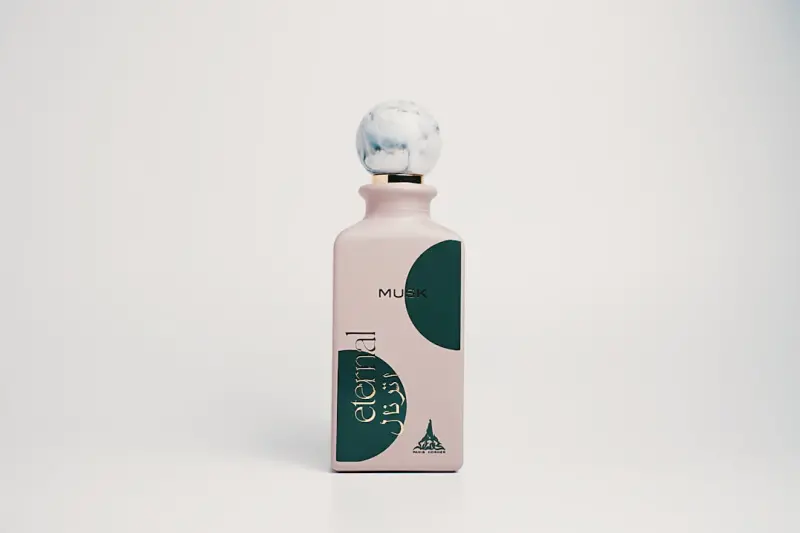
Why Your Senses Deserve a Personal Care Upgrade
When I first walked into a boutique spa and watched a therapist blend citrus, pine, and a whisper of lavender into a single mist, I realized I’d been neglecting the most powerful personal care tool I own: my own senses. We spend a fortune on gadgets, supplements, and skin serums, yet the simple act of resetting our olfactory, tactile, and auditory environment can have a profound impact on energy, focus, and emotional balance. This isn’t about a fleeting “spa day” trend— it’s a systematic, everyday practice that fits into a busy professional’s schedule without demanding a weekend retreat.
The Neurology of Scent and Touch
Science tells us that the olfactory bulb is the brain’s direct highway to the limbic system, the hub for memory and emotion. A single whiff of peppermint can trigger alertness, while a hint of sandalwood can coax the nervous system into a calm state. Likewise, gentle pressure on the scalp or the pads of our hands activates mechanoreceptors that send soothing signals up the spinal cord, prompting the release of oxytocin and endorphins.
When these pathways are deliberately engaged, the brain shifts from a default “stress‑response” mode into a “rest‑and‑recovery” mode, even while we’re still at our desks. The result? Less cortisol, sharper concentration, and a subtle but measurable boost in overall well‑being.
Designing a Sensory Reset Routine That Works for You
Creating a routine doesn’t require a dedicated room or a mountain of essential oils. The goal is to build micro‑rituals that can be slipped into existing habits—think of them as personal care “power‑ups.” Below is a step‑by‑step framework you can adapt.
- Identify Your Desired State. Are you looking for a quick energy surge before a meeting, or a calming reset after a high‑pressure call? Your goal determines the scent and tactile technique you’ll use.
- Select a Signature Aroma. Choose one or two essential oils that align with your intention. Peppermint or rosemary for focus; chamomile or ylang‑ylang for relaxation.
- Choose a Touch Point. The scalp, temples, or the pads of the hands work well because they’re easily accessible and have dense nerve endings.
- Set a Timer. A 60‑second pause is enough to trigger the neurological cascade without derailing your workflow.
- Integrate with Existing Tools. Pair the routine with a standing desk reminder, a calendar block, or a smartwatch haptic cue.
Scalp Massage: The Underrated Energy Booster
The scalp is often overlooked in personal care conversations, yet it houses over 100,000 nerve endings. A quick, five‑minute scalp massage can increase blood flow, deliver oxygen to hair follicles, and stimulate the parasympathetic nervous system.
Here’s a simple technique you can perform at your desk:
- Place your fingertips at the hairline, just above the ears.
- Apply gentle pressure and draw small circles, moving toward the crown.
- Switch to the opposite hand and repeat, ensuring both sides receive equal attention.
- Finish by lightly pressing the temples for an extra soothing effect.
For an added sensory layer, dab a drop of diluted peppermint oil onto the fingertips before you start. The cooling sensation amplifies the alertness boost, while the scent anchors the experience.
Hand‑Care Micro‑Rituals for the Modern Professional
Our hands are the primary interface with keyboards, phones, and touchscreens—all sources of tactile fatigue. A brief hand‑care pause can reset grip strength and improve proprioception.
Try this:
- Warm a small bowl of water (or use a portable hand‑warmth device).
- Immerse your hands for 30 seconds, then gently massage each finger, paying special attention to the knuckles.
- Apply a light, non‑greasy hand cream infused with citrus essential oil. The scent reinforces the revitalizing effect.
This ritual not only improves dexterity but also serves as a tactile cue for the brain to shift into a more relaxed state.
Integrating Technology Without Over‑Complicating
While the core of the sensory reset is low‑tech, smart devices can help you stay consistent. A simple personal care data tracking app can log the time, scent, and touch technique you used each day. Over weeks, patterns emerge: you might discover that peppermint on Monday mornings correlates with higher meeting performance scores, or that a lavender hand‑massage before lunch reduces afternoon fatigue.
For those who love wearables, set a gentle vibration reminder at strategic points—mid‑morning, pre‑lunch, and late‑afternoon. The cue is a non‑intrusive prompt that you can honor with a 60‑second sensory reset, keeping the habit loop tight and effective.
When Oral Care Meets Sensory Reset
We’ve all heard about the future of toothbrushes becoming wellness coaches (read more here), but you can apply the same principle to your scent and touch routine. Imagine a toothbrush that emits a faint mint aroma right before you start brushing, priming your brain for alertness. Or a smart floss dispenser that vibrates gently, signaling a moment to pause and take a deep breath.
Even without cutting‑edge hardware, you can mimic the concept: keep a pocket‑size rollerball of citrus oil near your toothbrush. The quick scent burst before oral hygiene not only freshens breath but also activates the same neural pathways you’d use for a focused scalp massage.
Measuring the Impact: From Feeling Good to Real Results
Any personal care practice that claims to boost performance should be testable. Here’s a straightforward method you can use:
- Pick a baseline metric—e.g., the number of tasks completed in a focused block, or a self‑rated energy level on a 1‑10 scale.
- Implement your chosen sensory reset for two weeks, logging each session in a tracking app.
- Compare the post‑implementation data to the baseline.
- Adjust scent, duration, or timing based on what the numbers tell you.
This approach turns an anecdotal habit into a data‑driven optimization, echoing the ethos of modern personal care where intuition meets analytics.
Building a Personal Scent Library
Just as you might curate a wardrobe, consider building a “scent library” that matches various work scenarios. Start with a few essential oils and store them in labeled, travel‑size amber bottles. Over time, you’ll learn which combinations trigger the most desirable states. Here’s a starter list:
- Focus Blend: Peppermint + Rosemary + Lemon.
- Calm Blend: Lavender + Bergamot + Vetiver.
- Creativity Boost: Grapefruit + Basil + Ylang‑Ylang.
Rotate the blends based on the day’s agenda—your brain will soon associate each aroma with the corresponding mental mode.
Beyond the Desk: Extending Sensory Reset to Home Life
While the routine shines in a professional setting, it translates seamlessly to evenings at home. A quick scalp massage paired with a chamomile mist before bedtime can signal to your nervous system that it’s time to wind down, improving sleep quality without relying on screens or caffeine.
In fact, pairing the routine with a low‑light environment (think soft amber bulbs) creates a multi‑sensory cue that enhances the transition from work to personal life. This holistic approach respects the boundary between productivity and relaxation, a line that modern workers often blur.
Final Thoughts: Make Sensory Reset Your Personal Care Signature
Personal care isn’t just about the products you buy; it’s about the rituals you perform. By intentionally engaging scent and touch, you give your brain a clear, repeatable signal to shift gears—whether you need laser focus, a calm mind, or a creative spark. The best part? The entire practice can be executed in under a minute, costs pennies in essential oils, and scales with technology only when you choose it.
Start small. Pick a scent, set a timer, and give your scalp or hands a minute of mindful attention. Track the results. Refine the blend. In a world that glorifies hustle, a five‑second sensory reset might just become your most powerful competitive edge.

Ryan Stuart is a seasoned freelance features writer, editor, and professional photographer with a passion for exploring the world and capturing its beauty through words and images.
Related Posts
Sonic, Aromatic, and Tactile: Crafting a Multi‑Sensory Personal Care Ritual
Explore the power of integrating sound, scent, and tactile experiences into your personal care routi... Read More
Nurturing Your Skin’s Invisible Allies: A Microbiome‑First Personal Care Guide
Explore a fresh approach to personal care that prioritizes the skin’s microbiome, offering practic... Read More

Cultivating a Friendly Skin Microbiome: The Next Frontier in Personal Care
Explore the shift from sterile skin routines to a symbiotic approach, learning practical ways to fee... Read More
Top Posts

Why Garden Desks Are Revolutionizing Employment in 2026
Explore the rise of garden desks, their impact on workplace productivity, health, and talent attraction, and learn how to implement this game‑changing trend i...Read More
The Sensory Expedition: Rethinking Personal Care as an Adventure
By treating daily grooming as a sensory expedition—engaging touch, scent, sound, sight, and taste—you can turn routine personal care into a mindful adventur...Read More

When AI Becomes Your Creative Playmate: Turning Algorithms into Idea Catalysts
Learn why shifting AI from a cold tool to a creative playmate unlocks fresh ideas, accelerates innovation, and brings a playful edge to business problem‑solvi...Read More

Smart Skincare: Real‑Time Personal Care for Busy Lives
Discover how micro‑moment, sensor‑driven skincare transforms busy routines into data‑informed rituals, blending real‑time skin metrics, digital declutte...Read More
0 Comments
Post Comment
You will need to Login or Register to comment on this post!