

When I first stood in front of my bathroom mirror, toothbrush in hand, I never imagined that the tiny universe living on my skin would become the centerpiece of my personal care philosophy. The skin isn’t just a protective sheet; it’s an ecosystem—a bustling metropolis of bacteria, fungi, and yeasts that talk to each other, to our immune system, and even to the products we slather on daily. Over the past few months, I’ve been diving deep into the science, the hype, and the practicalities of nurturing this invisible community. What emerged is a compelling narrative that goes beyond the usual “cleanse, tone, moisturize” mantra: we need to shift from a sterile approach to a symbiotic partnership with our skin’s microbiome.
Why the Microbiome Matters
Think of your skin like a garden. In a garden, the health of the soil determines the vibrancy of the plants. Similarly, the health of the skin’s microbiome dictates everything from barrier function to inflammation levels. Research now shows that an imbalanced microbiome—known as dysbiosis—can contribute to acne, eczema, rosacea, and even premature aging. The good news? Unlike many internal health issues, the skin’s microbial balance is surprisingly malleable with the right interventions.
What’s fascinating is how this tiny world interacts with broader lifestyle factors. Stress, diet, sleep, and even the humidity in your office can tilt the microbial scales. In my own experience, a simple change like swapping a harsh foaming cleanser for a gentle, prebiotic wash made a noticeable difference in my skin’s texture within a week. The next sections walk you through the science, the practical steps, and the product landscape so you can become the caretaker of your own skin metropolis.
From Sterile to Symbiotic
For decades, the beauty industry championed the idea of “sterile skin” – the notion that the fewer microbes, the better. This led to a flood of antibacterial soaps, antiseptic wipes, and “deep‑clean” scrubs that, while effective at killing germs, also stripped away beneficial residents. The fallout? A compromised barrier that invites irritation and makes the skin more dependent on moisturizers to stay functional.
The paradigm is now shifting. Scientists are uncovering how certain microbes produce short‑chain fatty acids that reinforce the skin’s lipid barrier, or how they outcompete pathogenic bacteria, keeping breakouts at bay. This has birthed a new wave of “microbiome‑friendly” products that aim to feed, protect, and coexist with these microscopic allies.
Key Players: Bacteria, Yeasts, and Fungi
While the term “microbiome” often conjures images of bacteria, the reality is richer:
- Beneficial Bacteria like Staphylococcus epidermidis and Cutibacterium acnes (yes, the same species linked to acne, but in balanced amounts) help modulate inflammation and produce antimicrobial peptides.
- Yeasts such as Malassezia are essential for lipid processing but can become problematic if overgrown, leading to dandruff or facial dermatitis.
- Fungi including Candida species usually keep a low profile; however, an environment rich in sugars can cause them to proliferate.
Understanding these players demystifies why certain ingredients—like niacinamide, glycerin, and prebiotic fibers—can be game‑changers. They act as food sources, encouraging beneficial microbes to thrive while keeping the opportunistic ones in check.
Practical Steps to Nurture Your Skin's Ecosystem
Here are the actions that have consistently helped me and many of my readers transition to a more symbiotic skin routine:
- Choose a Prebiotic Cleanser: Look for formulas that contain ingredients such as inulin, oat beta‑glucan, or galacto‑oligosaccharides. These act as food for good bacteria without the harsh stripping effect of sulfates.
- Limit Over‑Exfoliation: While gentle chemical exfoliants (like low‑percentage AHA/BHA) can be beneficial, excessive use disrupts the microbial layer. I keep exfoliation to once or twice a week at most.
- Introduce Probiotic Skincare: Products that contain live cultures (often Lactobacillus strains) can directly seed the skin with beneficial microbes. They’re especially useful after a cleansing routine when the skin is most receptive.
- Mind Your pH: The skin’s natural pH hovers around 5.5. Using products that are overly alkaline can impair microbial health. Stick to pH‑balanced toners and serums.
- Hydrate from Within: A diet rich in fermented foods (kimchi, kefir, miso) supplies probiotics that can influence skin health via the gut‑skin axis. I’ve found that adding a daily probiotic supplement also smooths my complexion.
- Protect the Barrier: Incorporate ceramide‑rich moisturizers and barrier‑repair ingredients like panthenol. A robust barrier reduces the need for the microbiome to “pick up the slack”.
- Avoid Over‑Sanitizing: Reserve antibacterial hand soaps for true clinical needs. For everyday washing, opt for mild, fragrance‑free cleansers.
These steps may seem simple, but they create a cumulative effect that can transform skin health over weeks to months. It’s less about quick fixes and more about cultivating a resilient ecosystem.
Product Landscape: What to Look For
As the market catches up, you’ll notice a surge of products touting “microbiome‑friendly”, “prebiotic”, or “probiotic” claims. Here’s a quick guide to separate the wheat from the chaff:
- Ingredient Transparency: Reputable brands list the specific strains of probiotics they use and provide concentrations (CFU count). Vague terms like “live cultures” without detail should raise a red flag.
- Stability: Live probiotics need proper formulation to survive shelf‑life. Look for products stored in opaque, airtight packaging or those that use encapsulation technology.
- Synergy: Some lines pair prebiotic and probiotic ingredients in the same formula, offering a “feed‑and‑seed” approach. This can be more effective than using them separately.
- Clinical Backing: Brands that reference peer‑reviewed studies or have dermatologist endorsement tend to be more trustworthy.
For inspiration, I recently explored a line that blends Sensory Micro‑Rituals with microbiome‑supportive ingredients, turning each step into a mindful, skin‑nourishing experience. It reminded me that the future of personal care isn’t just about efficacy; it’s also about the ritual and the senses.
Future Trends and Research
The field is still in its infancy, but several exciting directions are emerging:
- Personalized Microbiome Profiling: Companies are developing at‑home skin swab kits that analyze microbial composition and recommend bespoke product regimens.
- Next‑Gen Synbiotics: Combining prebiotic substrates with engineered probiotics that can deliver targeted actives (like antioxidants) directly to the skin.
- Microbiome‑Modulating Wearables: Imagine a smart patch that monitors skin pH and humidity, adjusting product release in real time.
- Cross‑Talk Between Gut and Skin: Ongoing studies are clarifying how dietary interventions can modulate skin microbiota, paving the way for integrated health protocols.
Staying informed about these developments will help you adapt your routine as science evolves. In my own practice, I’ve started integrating insights from the Breathing Into Balance series to reduce stress‑induced cortisol spikes that can disrupt the skin barrier.
Putting It All Together
Transitioning to a microbiome‑focused personal care regimen isn’t about discarding everything you know; it’s about layering new knowledge onto existing habits. Start with a gentle, prebiotic cleanser, add a probiotic serum a few times a week, and protect the barrier with a ceramide‑rich moisturizer. Pair these with lifestyle choices—balanced diet, adequate sleep, and mindful stress management—and you’ll notice a more resilient, radiant complexion that feels as good as it looks.
Remember, the goal isn’t perfection; it’s partnership. By feeding the good microbes, respecting the skin’s natural pH, and avoiding unnecessary sanitization, you become a steward of an ecosystem that has been protecting you since birth. The next time you splash water on your face, think of it as watering a garden rather than wiping a slate clean.
So, what will your skin’s story be? Will you continue the old narrative of sterile purity, or will you write a new chapter—one where you and your microscopic allies thrive together?

Dale Peterson is a freelance writer with a passion for technology, travel, law and personal finance. With 10 years of experience crafting compelling and informative content, he's dedicated to delivering high-quality writing for Blogging Fusion that engages audiences and achieves specific goals.
Related Posts

The Unexpected Skin Benefits of a Digital Detox
A deep dive into how blue‑light exposure, stress hormones, and screen habits affect your skin, and... Read More

Scent‑Driven Self‑Care: Elevate Your Work‑From‑Home Routine with Aromatherapy
Explore practical aromatherapy tips and DIY recipes that help remote professionals harness the power... Read More
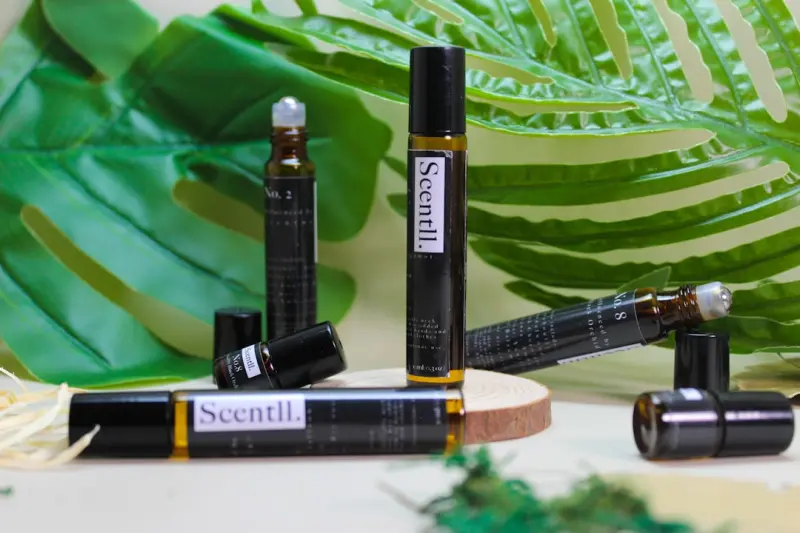
Scent‑Driven Self‑Care: Harnessing Aroma to Upgrade Your Daily Routine
A deep dive into using fragrance as a powerful personal care tool, showing how scent can elevate moo... Read More
Top Posts

How to Turn Your Home Into a Low‑Cost Smart Energy Hub
Learn how to create a low‑cost smart energy hub with simple monitoring, scheduling, and adaptive control tools that reduce electricity use and improve home co...Read More

Revitalize Your Home with Upcycled Furniture and Natural Touches
Explore three easy upcycling projects—pallet coffee table, crate wall storage, and bottle-light pendants—to refresh your home with sustainable style and per...Read More

Let the Sun In: Home Light Hacks for a Brighter, Healthier Space
Sanji Patel reveals how simple mirror placement, reflective paints, strategic window treatments, and indoor plants can transform any home into a brighter, healt...Read More

Strategic Sabbaticals: Turning Time Off into a Career Accelerator
Learn how to turn vacation days into a career boost by aligning sabbaticals with skill development, lateral moves, and proven ROI strategies....Read More
0 Comments
Post Comment
You will need to Login or Register to comment on this post!