
Living in a bustling city apartment often feels like a balancing act between limited square footage and the desire for a space that feels both airy and functional. I’ve spent the past few years turning cramped corners into purposeful zones, and what I’ve learned is that the magic lies not in adding more square feet, but in re‑imagining how light, furniture, and hidden storage can work together. Below are the strategies I rely on daily to keep my home feeling spacious, bright, and surprisingly adaptable, no matter how busy the street outside.
Let the Sun In: Mastering Natural Light
Natural light is the most valuable real‑estate you have in an apartment. It not only makes rooms look larger but also boosts mood and productivity. Here’s how to make the most of every ray:
- Strategic Window Treatments: Opt for sheer curtains or top‑down, bottom‑up shades. They give you privacy while letting diffuse light spill across the floor.
- Reflective Surfaces: A glossy side table, mirrored wall art, or even a polished metal lamp base can bounce light deeper into the room.
- Light‑Colored Walls: Soft whites, warm beiges, or pastel blues reflect light better than dark hues. If you love color, consider a light‑tinted accent wall instead of a full‑on bold shade.
- Furniture Placement: Keep large furniture pieces away from windows. A sofa that blocks a window not only cuts light but also creates a visual barrier that shrinks the space.
- Use Light‑Reflecting Décor: White ceramic vases, glass trays, and even a strategically placed metallic rug can amplify daylight.
When you pair these tactics with a Micro-Meditations: Tiny Shifts for Big Mental Gains practice near a sunny spot, you’ll notice a boost in focus that feels almost effortless.
Flexible Furniture: Pieces That Do Double Duty
In a city apartment, each piece of furniture should earn its keep. I’ve curated a small collection of items that morph to serve multiple functions:
- Modular Sofas: Sectional pieces that can be re‑arranged into a chaise, a daybed, or even a makeshift guest room.
- Fold‑out Desks: Wall‑mounted desks that flip down when you need a workspace and tuck away when you’re ready to relax.
- Storage Ottomans: Use them as a footrest, extra seating, or a hidden bin for blankets and magazines.
- Nesting Tables: Small tables that slide under a larger one when not in use, perfect for coffee or a quick snack.
- Room Dividers with Shelving: Instead of a solid screen, a shelving unit adds storage, visual separation, and a platform for plants or books.
The key is to keep the pieces lightweight and on wheels where possible. That way you can shift the layout for a movie night, a yoga session, or a weekend gathering without a major overhaul.
Hidden Storage Solutions: Declutter Without Sacrificing Style
Clutter is the enemy of a calm home. The trick is to hide it in plain sight. Here are my go‑to hidden storage ideas:
- Under‑Floor Drawers: If you have a raised floor or platform bed, install pull‑out drawers that slide beneath the surface.
- Built‑In Nooks: Use the space behind doors for shallow cabinets. A slim pantry behind a bathroom door can store cleaning supplies or spare towels.
- High Shelving: Install floating shelves near the ceiling for items you don’t need daily—seasonal décor, extra linens, or decorative boxes.
- Furniture with Secret Compartments: Coffee tables with lift‑top storage, or a bed frame with integrated drawers, keep essentials out of sight.
- Magnetic Strips and Hooks: For metal tools, kitchen knives, or even a collection of spice tins, magnetic strips keep the countertop clear.
When you pair hidden storage with a mindful approach—like the Breathing Back Balance: Simple Practices to Reset Your Nervous System routine—you’ll find the act of tidying becomes a calming ritual rather than a chore.
Acoustic Comfort: Quiet Your Space Without Adding Bulk
City living comes with a soundtrack of traffic, neighbors, and occasional construction. While you can’t silence the world entirely, you can soften the noise within your walls.
- Fabric Wall Hangings: Thick woven tapestries or acoustic panels upholstered in decorative fabric absorb sound while adding visual interest.
- Rugs and Floor Cushions: Dense rugs not only warm up cold floors but also dampen footstep noise and echo.
- Soft Window Inserts: Acoustic window films reduce outside noise without sacrificing natural light.
- Door Sweeps: Install a simple brush or rubber sweep at the bottom of interior doors to block sound migration between rooms.
- Plants as Sound Buffers: Large-leafed plants like rubber plants or monstera can help absorb mid‑range frequencies, acting as natural sound dampeners.
These subtle additions make your home feel more like a private sanctuary, even when the city hums outside.
Green Touches Without a Balcony
Not every apartment has a balcony, but that doesn’t mean you can’t bring the outdoors inside. Here’s how to weave greenery into tight spaces:
- Vertical Gardens: Mount a series of small planters on a wall to create a living mural. Choose low‑maintenance herbs like basil or mint for a kitchen accent.
- Window‑Sill Terrariums: Glass containers with succulents or air plants thrive in bright, indirect light and require minimal watering.
- Hanging Baskets: Use macramé hangers from ceiling hooks to display trailing vines. They free up floor space while adding a touch of nature.
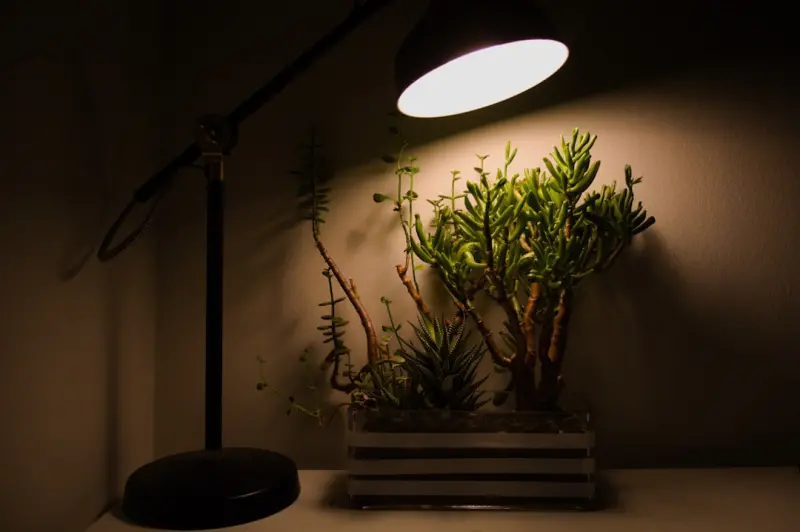
- Compact Grow Lights: If natural light is scarce, a slim LED grow light can keep foliage healthy and vibrant.
For those with a sliver of outdoor space, the post Turn Your Tiny Balcony into a Year‑Round Retreat offers inspiration, but the principles apply just as well to indoor vertical setups.
Smart Tech Integration: Seamless, Not Intrusive
Technology can enhance convenience without cluttering your visual space. Consider these subtle smart home upgrades:
- Wi‑Fi Light Strips: Install behind a floating shelf or under cabinets. They provide ambient lighting that can be controlled via voice or app.
- Smart Plugs: Keep them out of sight in a power strip and program coffee makers or lamps to turn on with sunrise.
- Voice‑Activated Speakers: Choose sleek cylindrical models that double as décor pieces, letting you control music, timers, and reminders hands‑free.
- Integrated Bluetooth Speakers in Furniture: Some sofas and headboards now come with built‑in speakers, delivering sound without a separate device.
These tech touches help streamline daily routines while preserving the aesthetic calm you’ve cultivated.
Seasonal Adaptability: A Home That Grows With You
One of the biggest challenges in a compact living area is accommodating seasonal shifts—cooler nights, warmer days, or holiday décor. Build adaptability into your design:
- Swap‑Out Textiles: Keep a set of lightweight linens for summer and a cozier set of flannel throws for winter. Store off‑season items in high shelves or under‑bed drawers.
- Modular Décor Boxes: Use decorative boxes that can be easily moved. In winter, fill them with pinecones or candles; in summer, swap for fresh flowers.
- Multi‑Season Lighting: Use dimmable LEDs that allow you to brighten the room for festive evenings or soften it for relaxed evenings.
- Portable Radiators or Fans: Choose compact units on wheels so you can relocate them as the temperature changes without permanent installation.
This fluid approach prevents the need for a massive overhaul each season and keeps your space feeling fresh all year long.
Final Thoughts: The Power of Intentional Simplicity
Creating a home that feels spacious, bright, and functional in an urban setting isn’t about grand renovations; it’s about intentional choices that amplify light, declutter intelligently, and let each element serve more than one purpose. By embracing natural illumination, flexible furnishings, hidden storage, acoustic comfort, indoor greenery, discreet smart tech, and seasonal adaptability, you can transform any modest apartment into a sanctuary that supports both your wellbeing and your lifestyle.
Remember, the most satisfying improvements are those you can live with day in and day out—so test, iterate, and enjoy the process of making your home truly yours.

Dale Peterson is a freelance writer with a passion for technology, travel, law and personal finance. With 10 years of experience crafting compelling and informative content, he's dedicated to delivering high-quality writing for Blogging Fusion that engages audiences and achieves specific goals.
Related Posts

Revamp Your Home with Smart Lighting Hacks for Mood & Savings
A practical guide to using smart lighting for better mood, sharper focus, and lower bills, featuring... Read More
Quiet Corners: Simple Soundproofing Hacks for Every Room
A practical guide to low‑cost soundproofing techniques that transform any room into a quieter, mor... Read More

Seasonal Storytelling: Transform Your Home Into a Living Narrative
Discover how to turn each room into a seasonal storybook using color, texture, lighting, and subtle ... Read More
Top Posts

Inbox Zen: How Mindful Email Management Boosts Mental Health
Learn how to transform a chaotic inbox into a calming ritual with practical steps, tools, and integration tips that improve focus, reduce anxiety, and enhance o...Read More
Transform Your Kitchen into a Calm, Productivity‑Boosting Sanctuary
Learn how to turn a chaotic kitchen into a serene, productivity‑enhancing space with decluttering strategies, lighting tips, smart storage, and mindful habits...Read More
Scent‑Smart Living: How to Curate a Rotating Home Aroma Experience
Discover a step‑by‑step guide to creating a purposeful home fragrance routine using natural ingredients, sustainable diffusers, and smart storage, turning e...Read More

Travel as a Personal Lab: Designing Experiments on the Road
Treat each journey like a laboratory, defining hypotheses, measuring outcomes, and iterating. Discover how micro‑movements, tech tools, and a curiosity‑firs...Read More
0 Comments
Post Comment
You will need to Login or Register to comment on this post!