
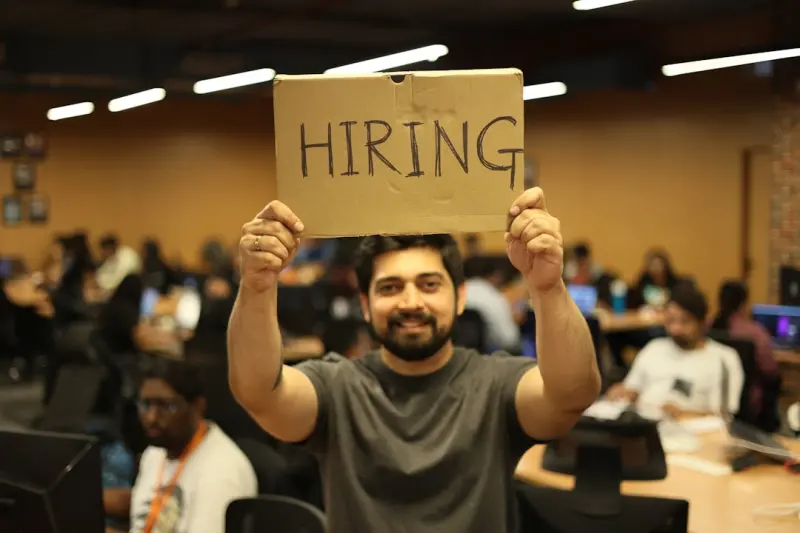
The Hiring Paradigm Shift: Why Skills Should Lead the Conversation
When I first stepped into the HR arena, my résumé was a glossy two‑page document packed with degrees, certifications, and a neat chronological timeline. I believed—like many hiring leaders—that a candidate’s academic pedigree was the most reliable predictor of future performance. Fast forward several years, and the data (and my own gut) tells a very different story. In today’s hyper‑dynamic workplace, skills trump credentials in a way that reshapes how we attract, assess, and retain talent.
In this post I’ll walk you through the why, the how, and the tangible benefits of adopting a skill‑first hiring approach. I’ll also share practical steps you can embed into your talent acquisition playbook without overhauling your entire HR tech stack.
The Credential‑Centric Legacy—and Its Blind Spots
Historically, hiring managers leaned heavily on formal education as a proxy for competence. A bachelor’s degree in computer science, an MBA, or a professional certification felt like a low‑risk bet. However, this reliance creates three hidden pitfalls:
- Talent Blindness: Exceptional performers without a “perfect” degree are often filtered out by automated resume parsers.
- Skill Obsolescence: The rapid evolution of technology means a degree earned five years ago may no longer reflect current industry demands.
- Diversity Gaps: Credential filters unintentionally narrow the applicant pool, sidelining under‑represented groups who may have taken non‑traditional learning paths.
When you base decisions on a single data point—education—you risk missing the very people who could become your organization’s next innovators.
Enter Skill‑First Hiring
Skill‑first hiring reframes the conversation: What can a candidate demonstrably do? rather than What paper do they hold? This mindset aligns with three emerging workplace realities:
- Project‑Based Workflows: Companies are moving from rigid job descriptions to fluid, cross‑functional project teams where specific capabilities matter more than titles.
- Learning Agility: Employees are expected to reskill regularly. Those who can quickly pick up new tools become the most valuable assets.
- Outcome‑Driven Metrics: CEOs and boardrooms care about revenue, speed to market, and customer satisfaction—outcomes that are directly linked to skill execution.
In practice, a skill‑first approach means building hiring criteria around concrete, observable competencies—coding ability, data storytelling, stakeholder communication, or design thinking—regardless of where those competencies were acquired.
How to Build a Skill‑First Hiring Framework
Transitioning from a credential‑centric to a skill‑first model doesn’t require a complete system rewrite. Below is a step‑by‑step guide you can pilot within a single department before scaling organization‑wide.
1. Map Core Competencies to Business Outcomes
Start by identifying the key results your team drives—be it product releases, customer churn reduction, or revenue growth. Then, reverse‑engineer the skills that directly impact those results. For a product team, this could include:
- Rapid prototyping with Figma or Sketch
- Agile sprint planning and backlog grooming
- Data‑driven user research and A/B testing
Document these competencies in a living “skill matrix” that every recruiter and hiring manager can reference.
2. Redesign Job Listings Around Skills
Swap out language like “Bachelor’s degree in Marketing required” for statements such as “Proven ability to craft data‑backed campaign strategies.” Highlight the top 5–7 skills you expect candidates to demonstrate within the first 90 days.
When you frame the role this way, you invite a broader talent pool to apply—people who have built those skills through bootcamps, freelance projects, or self‑directed learning.
3. Adopt Skills‑Based Assessment Tools
Traditional interviews often veer into “tell me about yourself” territory, which favors polished communicators over true performers. Replace or supplement them with:
- Work‑sample tests: Real‑world tasks that mirror day‑to‑day responsibilities.
- Scenario‑based role‑plays: Simulate a client call or sprint planning session.
- Portfolio reviews: For creative or technical roles, evaluate actual deliverables.
These assessments surface evidence of skill mastery and reduce unconscious bias.
4. Leverage Peer‑Led Validation
Involve future teammates in the evaluation process. When a senior engineer reviews a candidate’s coding challenge, they can instantly gauge not just technical proficiency but also cultural fit and collaboration style. This peer‑validation loop also builds early “advocacy” for the new hire—an often‑overlooked asset in onboarding.
5. Communicate the Rationale Internally
Any shift in hiring philosophy will raise eyebrows. Prepare a concise deck for leadership that outlines the ROI of skill‑first hiring—shorter time‑to‑product, higher employee retention, and a more diverse pipeline. Use real data from pilot programs to illustrate impact.
6. Integrate Continuous Learning Pathways
Skill‑first hiring should go hand‑in‑hand with a culture of upskilling. Offer micro‑learning modules, mentorship pairings, and internal hackathons. When employees see a clear path to expand their skill set, they are more likely to stay and grow within the organization.
Skill‑First Hiring Meets Employee Advocacy
One often‑overlooked synergy is the relationship between skill‑first hiring and internal talent evangelism. When you focus on capabilities, employees become natural ambassadors for the skills they excel at. A developer who recently built a successful API might champion that expertise during hiring discussions, recommending peers who have demonstrated similar chops. This peer‑driven advocacy creates a self‑reinforcing loop: high‑skill hires boost team performance, which in turn fuels more authentic advocacy.
Learning from Internal Mobility Success Stories
Organizations that have already embraced internal mobility—moving people across functions based on skill alignment—offer valuable lessons. By leveraging existing talent pools, companies reduce external hiring costs while preserving institutional knowledge. Skill‑first hiring amplifies this effect: when you have a transparent skill matrix, HR can match employees to new opportunities faster, keeping the talent ecosystem fluid and resilient.
Addressing Common Objections
“We need degrees for compliance.” – In regulated industries, certain certifications are non‑negotiable. However, you can still adopt a hybrid model where the baseline compliance credential is required, but the bulk of the role’s criteria remain skill‑centric.
“Assessments are time‑consuming.” – Build a repository of reusable work‑sample templates. Over time, the assessment library becomes a strategic asset, reducing preparation time for each hire.
“Our hiring managers are uncomfortable without degree filters.” – Provide training on competency‑based interviewing and share success stories from early pilots. Pair hesitant managers with mentors who have already adopted the approach.
Real‑World Impact: Case Studies
Case 1: A mid‑size SaaS firm cut its average time‑to‑fill from 45 days to 28 days after switching to skill‑based work samples. The new hires reported a 30% higher confidence level in their first 90 days because they knew exactly what the role entailed before day one.
Case 2: A financial services company increased its diverse candidate pool by 40% by removing degree requirements from entry‑level analyst roles. The resulting hires brought fresh perspectives that directly contributed to a new product line that generated $10M in revenue within the first year.
Measuring Success
To ensure the shift delivers ROI, track these key metrics:
- Skill proficiency scores: Post‑hire assessments that gauge how quickly new hires master core competencies.
- Retention rate at 12 months: Compare skill‑first hires against traditional hires.
- Diversity ratios: Monitor changes in gender, ethnicity, and socioeconomic background.
- Time‑to‑product: Measure how fast project teams deliver outcomes with skill‑first talent.
Use these data points to iterate on your skill matrix and assessment design.
Future‑Proofing Your Workforce
As automation and AI continue to reshape job functions, the ability to learn new tools quickly becomes the ultimate competitive advantage. By anchoring your hiring philosophy in skills rather than static credentials, you create a talent engine that can adapt, evolve, and thrive—no matter what the next wave of technology brings.
In the end, the shift isn’t just about filling vacancies; it’s about building a resilient organization where every employee’s capabilities are visible, valued, and continuously nurtured. When you place skill at the heart of your hiring narrative, you unlock a talent ecosystem that fuels innovation, inclusivity, and sustained growth.

In the world of freelance writing, where creativity and adaptability are paramount, Michelle Fisher stands out as a dedicated and versatile professional. With a passion for crafting compelling narratives and a keen eye for detail, Michelle has established herself as a trusted voice.
Related Posts

Psychological Safety: The Secret Weapon for Modern Employment
Psychological safety, the belief that employees can speak up without fear, is emerging as a decisive... Read More
AI‑Powered Career Coaches: How to Let Machines Supercharge Your Job Hunt
Explore the rise of AI career coaches, learn how they pinpoint skill gaps, and get actionable steps ... Read More

Peer Coaching Networks: The Quiet Engine Driving Remote Team Success
Peer coaching offers a low‑cost, high‑impact solution for remote teams, fostering mutual growth,... Read More
Top Posts

Colorful Minds: How Palette Choices Shape Workplace Well‑Being
A deep dive into how the hues surrounding us impact stress, focus, and morale, offering actionable design strategies that turn any office into a mental‑wellne...Read More

Vertical Gardens: Maximizing Space and Style in Small Homes
Learn to turn walls into thriving vertical gardens, blending design, sustainability, and budget‑friendly DIY tricks for compact living spaces....Read More

Micro‑Organizing: Transform Small Spaces with Multi‑Purpose Design
Learn how tiny, intentional changes—like layered lighting, adaptable furniture, and vertical storage—can revitalize your home into a dynamic, inviting sanct...Read More

From Tool to Teammate: Rethinking AI as a Partner in Decision‑Making
Treat AI as a collaborative partner rather than a simple tool. Learn practical steps to integrate AI into brainstorming, decision‑making, and personal growth ...Read More
0 Comments
Post Comment
You will need to Login or Register to comment on this post!