
The Remote‑First Hiring Hub Explained
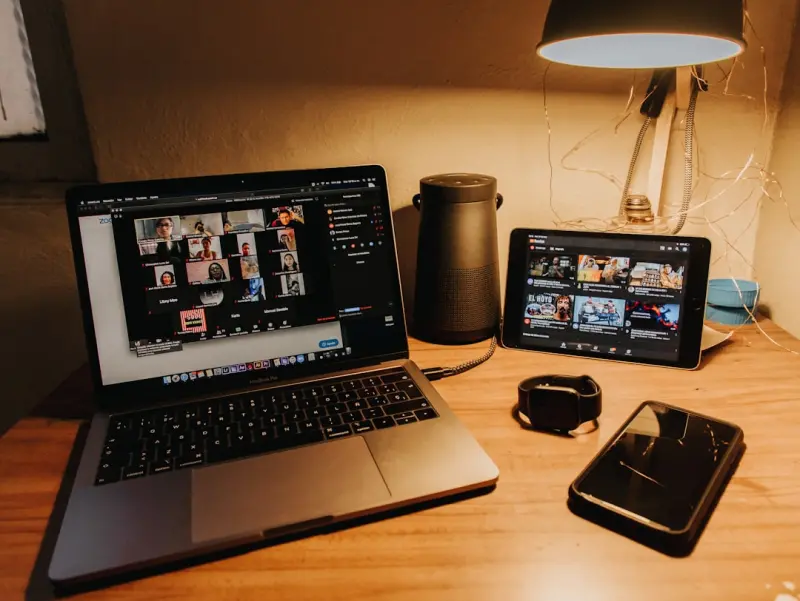
Imagine a company that hires talent wherever the internet reaches, then builds a virtual office that feels as cohesive as a downtown skyscraper. I call this a remote‑first hiring hub, a strategic nucleus of distributed teams that share culture, tools, and purpose without ever sharing a physical desk. It’s a model I’ve watched evolve from experimental pilot to mainstream mandate, and it’s reshaping how we think about “the office.”
Why Geography No Longer Dictates Opportunity
Traditional recruitment maps talent to zip codes, but remote hubs dissolve those borders, opening doors for brilliant minds in unexpected places. In my own experience, a developer from a coastal town landed a senior role simply by joining a virtual hub that valued output over office proximity. This shift not only expands the talent pool but also levels the playing field for candidates who once faced relocation barriers.
The Architecture of a Virtual Hub
Building a remote‑first hub requires more than Zoom calls; it demands a layered infrastructure of async workflows, shared knowledge bases, and ritualized team rituals. Companies that succeed invest in robust onboarding portals, clear documentation, and intentional “watercooler” moments that replicate spontaneous office chats. The result is a living, breathing ecosystem where every member can contribute without feeling adrift.
Culture‑First Design: The Human Touch in a Digital Space
Culture can’t be an afterthought in a dispersed environment; it must be engineered into every interaction. I’ve seen teams use virtual coffee roulette, gamified recognition platforms, and collaborative playlists to forge genuine connections. When culture is deliberately cultivated, employees report higher satisfaction and lower turnover, proving that a strong identity transcends physical walls.
Performance Metrics That Fit a Remote Reality
Shift from hours‑clocked to value‑delivered, and you’ll need new gauges to assess success. I favor outcome‑based KPIs, peer‑reviewed sprint reviews, and real‑time dashboards that spotlight impact rather than attendance. These metrics align incentives with the remote‑first ethos, ensuring that every contributor’s work is visible, measurable, and celebrated.
Compensation Strategies Beyond the Paycheck
While salary remains vital, remote hubs allow companies to craft flexible benefit packages that resonate globally. Think localized health plans, internet stipends, and location‑adjusted cost‑of‑living allowances. By tailoring compensation to the employee’s context, organizations demonstrate empathy and attract top talent without inflating payroll budgets.
Legal and Compliance Considerations Across Borders
Navigating international employment law can feel like a maze, but proactive planning turns it into a strategic advantage. Leveraging Global Employment Organizations (GEOs) and staying abreast of local tax obligations safeguards both the employer and employee. For a deeper dive into protecting career freedom, see our guide on decoding employment contracts and the hidden clauses you should watch.
Learning and Development in a Distributed World
Continuous growth thrives when learning resources are embedded into daily workflows. I champion micro‑learning modules, virtual hackathons, and cross‑regional mentorship circles that keep skill‑building organic and accessible. When development is woven into the fabric of remote work, employees feel empowered to shape their own trajectories.
Leveraging Data to Optimize Remote Hiring
Data isn’t just for career mapping; it fuels smarter hiring decisions for remote hubs. By analyzing candidate engagement metrics, time‑to‑productivity curves, and retention trends, recruiters can fine‑tune sourcing strategies. Explore how data can future‑proof your employment journey in our piece on data‑driven career mapping.
The Future Outlook: From Remote Hubs to Global Talent Networks
As more organizations adopt remote‑first hubs, the next evolution will be interconnected talent networks that share resources across companies. Picture a consortium where engineers, designers, and marketers fluidly move between projects, amplifying innovation and resilience. In this emerging landscape, the hub becomes a gateway, not a silo, inviting endless possibilities for career growth.

Jimmy Damon loves to right on a large scale of topics with all things Canadian as this Montreal die hard loves hockey. fishing and sports.
Related Posts
Micro‑Mentorship and Real‑Time Feedback: A Fresh Employment Blueprint
A practical guide to redesigning employment through micro‑mentorship networks, real‑time feedbac... Read More
Why Peer Coaching Is the Secret Sauce for Modern Workplaces
Peer coaching, a collaborative approach where colleagues support each other's development, is reshap... Read More

Turning Virtual Communities into a Career Launchpad
Learn to leverage virtual communities as a powerful career tool, turning everyday online interaction... Read More
Top Posts

Designing a Year‑Round Patio Oasis: From Sun to Snow
Discover how to transform any patio into a year‑round oasis with durable flooring, weather‑proof furniture, seasonal plantings, smart tech, and DIY décor f...Read More

Designing a Low‑Maintenance Native Plant Garden that Attracts Pollinators
Discover how to build a low‑maintenance native garden that invites bees, butterflies, and birds, while simplifying care and boosting biodiversity....Read More

Beyond the Ladder: Crafting Skill‑Based Career Paths in the Modern Workplace
Traditional promotion ladders are fading as companies adopt skill‑based career maps. This post reveals how data‑driven role mapping, internal talent marketp...Read More

Building a Career Resilience Engine: Future‑Proof Your Path
Discover a four‑pillar strategy to create a career resilience engine, turning curiosity, exposure, networking, and data into a future‑proof professional pat...Read More
0 Comments
Post Comment
You will need to Login or Register to comment on this post!