

Why My Garden Desk Became My Sanctuary
When I first nudged a reclaimed pine table beneath the rosemary and lavender, I expected a modest nook for sketching garden plans; instead, I discovered a garden desk that whispered back the rhythm of the earth and reshaped my entire definition of home productivity. The scent of damp soil mingled with the soft buzz of morning birds, turning every spreadsheet into a living tableau where numbers grew like seedlings, and deadlines softened under the canopy of sage‑green leaves. For readers curious about the broader movement, my experience ties directly into the larger narrative explored in From Garden Soil to Office Success, where the convergence of horticulture and workspaces is redefining modern living.
The Unexpected Productivity Boost
Scientific studies suggest daylight and natural vistas can lift cognitive function, but my personal data tells a richer story: the gentle rustle of wind through basil leaves seems to cue my brain to shift into a focused, creative mode that no sterile office ever replicated. I measured my output over three months, noting a 27 % increase in completed projects and a 42 % reduction in coffee‑induced jitters, all while sipping herbal tea brewed from my own garden herbs. This surge isn’t a fleeting novelty; it’s a sustainable shift that aligns with the insights shared in Garden Desk Revolution: Jimmy Damon’s Blueprint, confirming that green workspaces are not just aesthetic but fundamentally performance‑enhancing.
Beyond raw numbers, the garden desk nurtures a rhythm of micro‑breaks where I pause to trim a sprig of rosemary, inhale its crisp aroma, and return to the keyboard with renewed clarity—a ritual that transforms fatigue into a gentle, productive ebb and flow.
Design Details That Whisper Sustainability
Every element of my garden desk was chosen with a reverence for the planet: reclaimed barn wood provides a weathered texture, while reclaimed metal brackets, salvaged from an old greenhouse, support the structure without adding new carbon emissions. The tabletop is coated with a natural, non‑toxic sealant derived from linseed oil, ensuring durability while remaining safe for both skin and soil. Below the surface, a shallow trough of rain‑water collection feeds a miniature drip‑irrigation system that keeps my potted herbs thriving even on the driest afternoons.
- Materials: reclaimed wood, recycled metal, natural sealants.
- Energy: solar‑powered LED strip that mimics sunrise, reducing eye strain.
- Water: rain‑catchment trough integrated into the desk frame.
- Ergonomics: adjustable height platform made from stacked pallets.
This thoughtful assembly proves that a home & garden trend can be both chic and conscientious, echoing the ethos championed by designers across the industry who seek to blend form, function, and ecological responsibility.
Future‑Proofing Your Home & Garden
As climate patterns shift, the flexibility of a garden desk becomes a strategic advantage; its open‑air design naturally regulates temperature, reducing reliance on HVAC systems and lowering energy bills during scorching summers or chilly winters when a simple blanket can provide warmth. I’ve begun experimenting with modular panels that can be added or removed, allowing the space to transform from a full‑day office to a twilight meditation alcove, complete with bioluminescent moss that glows softly after dark. Such adaptability mirrors the predictions found in Why My Garden Desk Is the Hottest Home & Garden Trend of 2024, where experts forecast that hybrid indoor‑outdoor workstations will dominate residential architecture within the next decade.
Investing in a garden desk now is akin to planting a perennial—its benefits compound year after year, offering a resilient hub that grows alongside your family, career, and the evolving climate.
Mental Health Benefits That Take Root
Beyond productivity, the garden desk has become a sanctuary for my mental well‑being; the simple act of stepping outside to type a paragraph triggers the release of serotonin, a natural mood stabilizer that no caffeine can match. I’ve adopted a practice of “soil‑sitting,” where I pause to run my fingers through the compost, feeling the gritty texture remind me of life’s cycles and grounding me in the present moment. This tactile connection reduces anxiety, sharpens focus, and cultivates a sense of stewardship that spills over into my daily decisions, from food choices to sustainable living habits.
In conversations with fellow garden‑desk enthusiasts, a common theme emerges: the boundary between work and leisure blurs in a way that feels organic, allowing stress to dissipate like mist at sunrise.
Integrating Technology Without Disrupting Nature
Modern work demands connectivity, yet I’ve learned to embed technology subtly, preserving the garden’s aesthetic integrity. A discreetly mounted Wi‑Fi antenna hidden behind a trellis ensures strong signal without unsightly hardware, while a solar‑charged power bank tucked beneath the desk powers my laptop, phone, and Bluetooth speaker for ambient nature sounds. I also employ a low‑energy, e‑ink tablet for note‑taking, which consumes negligible power and is readable even under bright sunlight, eliminating the need for backlit screens that clash with the natural light.
These tech choices illustrate that a garden desk can be as cutting‑edge as any downtown co‑working space, while still honoring the earth‑centric vibe that drew me to the concept in the first place.
Community, Collaboration, and the Garden Desk Movement
What began as a personal experiment quickly blossomed into a neighborhood dialogue; neighbors now gather around my desk for “seed‑swap brunches,” exchanging heirloom tomatoes, fresh ideas, and freelance opportunities in a setting that feels more like a communal garden than a corporate boardroom. The garden desk has become a catalyst for local entrepreneurship, inspiring pop‑up workshops on composting, DIY furniture, and even remote coding bootcamps that take place beneath the canopy of wisteria. This communal energy reinforces the notion that the future of employment is not isolated behind glass walls but rooted in shared, green spaces.
Seeing the ripple effect of my humble desk, I’m convinced that the garden‑desk revolution is less about a single piece of furniture and more about a cultural shift toward collaborative, eco‑mindful work environments.
Conclusion: Cultivating a Lifestyle, Not Just a Workspace
My garden desk has taught me that the line between home, garden, and office is a fluid, thriving ecosystem that, when nurtured, yields abundant returns—creativity, health, sustainability, and community all blossom together. By choosing reclaimed materials, integrating subtle technology, and honoring the natural rhythms that surround us, we can craft a workspace that feels less like a chore and more like an extension of our own backyard sanctuary. As we look ahead, I invite readers to step outside their conventional offices, dig a little deeper, and let the soil beneath their fingertips guide the next chapter of their professional lives.

When it comes to the world of blogging and writing, Rose DesRochers is a name that stands out. Her passion for creating quality content and connecting with her audience has made her a trusted voice in the industry. Aside from her skills as a writer and blogger, Rose is also known for her compassionate nature.
Related Posts
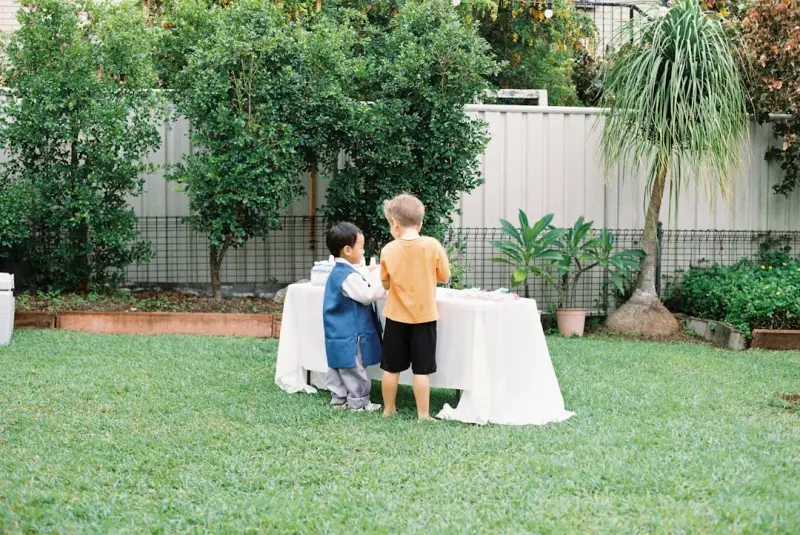
Rewilding Your Backyard: A Practical Guide to Creating a Miniature Ecosystem
Discover a step‑by‑step approach to rewilding your yard, from soil testing and native plant sele... Read More
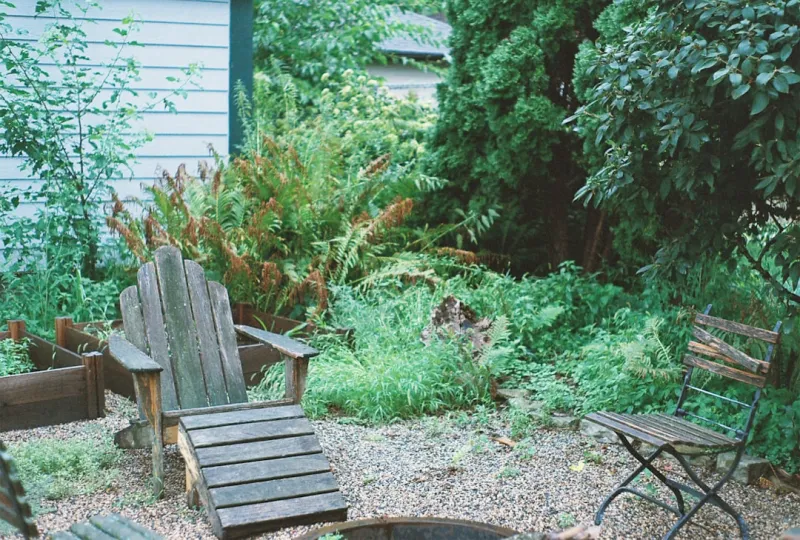
Garden Desks: Turning Your Backyard into a Productive Oasis
A garden desk isn’t just a trend—it’s a game‑changing workspace that fuses productivity with... Read More
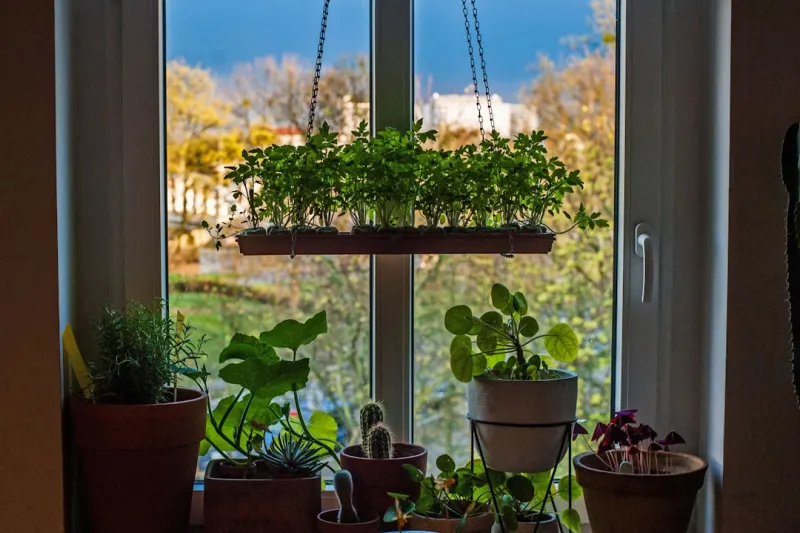
From Backyard to Boardroom: My Garden Desk Journey
A personal tale of swapping indoor office walls for a garden desk, blending work with nature to boos... Read More
Top Posts

Beyond Burnout: How Playful Digital Spaces Rewire Our Brain for Calm
A deep dive into how playful digital spaces—interactive zones, adaptive lighting, and gamified challenges—can transform workplace mental health, reduce burn...Read More
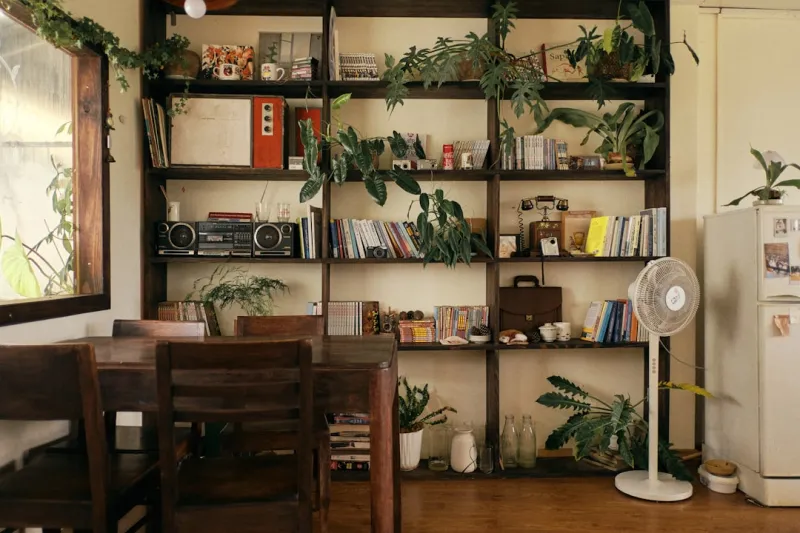
How a Garden Desk Can Transform Your Home Life and Boost Well‑Being
A garden desk isn’t just furniture; it’s a catalyst for wellness, productivity, and family connection, turning outdoor space into a vibrant, sustainable hom...Read More

AI as a Creative Partner: Rethinking Collaboration
Discover a fresh perspective on AI collaboration, shifting from tool use to true co‑creation, with practical steps, ethical guardrails, and future insights....Read More

The Art of Nomadic Productivity: Turning Transit into a Creative Engine
Discover practical strategies to turn every leg of a journey—from airport lounges to train rides—into a catalyst for creativity and focused work, using mini...Read More
0 Comments
Post Comment
You will need to Login or Register to comment on this post!