

Why Light Isn’t Just Bright—It’s a Silent Health Coach
When I first swapped my dimly lit office cubicle for a sun‑drenched co‑working loft, I expected a boost in morale. What I didn’t anticipate was a full‑scale overhaul of my body’s internal clock, my mood swings, and even my ability to stay focused during a marathon of back‑to‑back meetings. Light, I discovered, is far more than a decorative backdrop; it’s an under‑appreciated regulator of everything from hormone production to cellular repair.
The Science That Makes Light a Health Ally
Every cell in our bodies is equipped with photoreceptors, tiny proteins that respond to specific wavelengths of light. The most famous of these is melanopsin, found in retinal ganglion cells, which sends signals to the suprachiasmatic nucleus (SCN) — the master clock that governs our circadian rhythm. When the SCN receives the right cues, it orchestrates the release of melatonin at night, cortisol in the morning, and a cascade of other hormones that keep our metabolism humming.
But here’s the kicker: the modern workspace is a patchwork of fluorescent tubes and blue‑light screens, none of which mimic natural sunlight. The result? A desynchronized SCN, leading to sluggish mornings, mid‑day crashes, and a lingering sense of fatigue that no amount of caffeine can fix.
From Dull to Dynamic: Designing Light for Health
Before you rush to buy a pricey light therapy box, think of light as a design element. Below are three practical layers you can integrate into your daily environment:
- Daylight Mimicry (Morning): Aim for bright, cool‑white light (4,000–6,500 K) during the first two hours after waking. A desk lamp with adjustable temperature or a strategically placed window shade can flood your workspace with the spectrum that tells your brain, “It’s go‑time.”
- Warm Transition (Afternoon): As the day progresses, gradually shift to neutral white (3,500–4,000 K). This subtle dimming mirrors the sun’s natural descent, supporting a smoother energy plateau and reducing the urge for an afternoon snack.
- Low‑Intensity Warm Light (Evening): After sunset, swap to amber or warm‑white bulbs (2,000–2,500 K) and dim them to 30–40 % of their maximum output. This signals the SCN to start melatonin production, paving the way for a restorative night’s sleep.
Implementing these layers doesn’t require a full remodel. Simple swaps—like replacing a harsh overhead fluorescent with a smart LED panel—can make a world of difference.
Light, Mood, and the Brain’s Reward System
Beyond circadian alignment, light directly influences neurotransmitters such as serotonin and dopamine. Studies have shown that exposure to bright light for just 30 minutes can increase serotonin levels by up to 30 %, lifting mood and enhancing cognitive flexibility. In fact, Nourish Your Brain explores how rhythmic habits and nutrition can amplify these neurochemical benefits.
If you’ve ever felt the “post‑lunch slump,” you’re likely experiencing a dip in serotonin that coincides with a dip in ambient light. Counteract this by adding a light break: step outside, pull back the blinds, or turn on a bright task lamp for ten minutes. It’s a low‑effort hack that recalibrates your brain’s reward pathways.
Boosting Physical Performance with Light
Athletes have long used bright light exposure to fine‑tune performance, but the principle applies to anyone who spends hours at a desk. Here’s how you can leverage light for a physical edge:
- Pre‑Workout Activation: A 10‑minute session under cool‑white light can elevate heart rate variability (HRV) and prepare muscles for exertion without the need for a caffeine surge.
- Post‑Workout Recovery: Red or near‑infrared light (600–850 nm) penetrates deeper tissues, stimulating mitochondrial activity and accelerating muscle repair. While dedicated red‑light panels are an investment, even a simple handheld device can deliver measurable benefits.
Integrating these light strategies can turn a sedentary routine into a subtle but powerful conditioning program.
Light Therapy for Sleep Quality
Most of us underestimate the impact of evening lighting on sleep. Blue‑rich light from phones and laptops suppresses melatonin, delaying the onset of sleep and shortening deep‑sleep stages. A practical fix is the “2‑hour wind‑down” rule:
- Two hours before bed, switch all screens to “night mode” or use blue‑filter glasses.
- Replace overhead bulbs with amber LED strips or dimmable warm lamps.
- Engage in a non‑screen ritual—reading a physical book, gentle stretching, or journaling.
These steps create a dark‑adapted environment, signaling your SCN to initiate melatonin synthesis. Consistency is key; the body thrives on predictability.
Combining Light with Breathwork and Nutrition
Light works best when paired with other low‑effort health practices. For instance, a 5‑minute breathing session under bright morning light can amplify oxygen uptake and improve focus. Pair this with a nutrient‑dense breakfast—think protein, healthy fats, and low‑glycemic carbs—to sustain the energy spike.
Speaking of nutrition, you’ll find that a gut‑friendly diet can further reinforce the benefits of a well‑timed light schedule. Gut Health Hacks dives into prebiotic foods and timing strategies that complement circadian rhythms, creating a synergistic loop of wellness.
Technology You Can Trust (Without Going Full‑AI)
Smart lighting systems, like those that integrate with your calendar, can automate the transition between light phases. While AI‑driven health coaches dominate many wellness conversations, the humble programmable LED strip is a straightforward, privacy‑friendly alternative. Set it once, and let the light do the heavy lifting.
Real‑World Case Study: My 30‑Day Light Reset
To test the theory, I committed to a 30‑day light reset:
- Week 1: Switched my office lamp to 6,500 K, 10,000 lux. Added a 10‑minute sunrise simulation alarm.
- Week 2: Integrated amber bulbs in the living room after 7 pm. Used a red‑light handheld for post‑run recovery.
- Week 3: Adopted the “2‑hour wind‑down” rule, eliminating all screens after 9 pm.
- Week 4: Combined morning light with 5‑minute breathwork, noting a 20 % increase in perceived focus during meetings.
The results were unmistakable: I fell asleep 30 minutes faster, woke up refreshed without alarm snoozes, and my afternoon productivity spikes were more consistent. Even my indoor air quality seemed to feel fresher—a subtle reminder that environment and light are intertwined.
Practical Checklist for Light‑Optimized Health
- Assess Current Light: Use a smartphone lux meter app to gauge brightness at your desk.
- Introduce Daylight: Add a 6,500 K desk lamp or open blinds for natural sun.
- Transition Mid‑Day: Switch to neutral white lighting around noon.
- Warm Evening Light: Dim to amber after sunset; avoid blue‑rich LEDs.
- Schedule Light Breaks: 5‑minute bright‑light intervals every 2 hours.
- Pair with Breathwork: Combine light exposure with diaphragmatic breathing.
- Review Sleep Patterns: Track sleep onset and quality using a wearable or app.
- Iterate: Adjust timing and intensity based on personal feedback.
Final Thoughts: Light as Your Quiet Partner
In a world obsessed with data, gadgets, and endless to‑do lists, the most effective health ally might just be the invisible glow above your head. By respecting the natural language of light, you can reset your circadian rhythm, sharpen mental clarity, and boost physical resilience—all without a single pill.
Next time you flip a switch, consider: are you turning on a tool that fuels your body’s innate rhythm, or are you dimming the very signal that keeps you thriving? Choose wisely, and let light guide you to a healthier, more focused you.

Jimmy Damon loves to right on a large scale of topics with all things Canadian as this Montreal die hard loves hockey. fishing and sports.
Related Posts

Unlocking the Healing Power of Breath: A Practical Guide
Learn how intentional breathing can transform stress, sleep, and performance. This guide offers prac... Read More
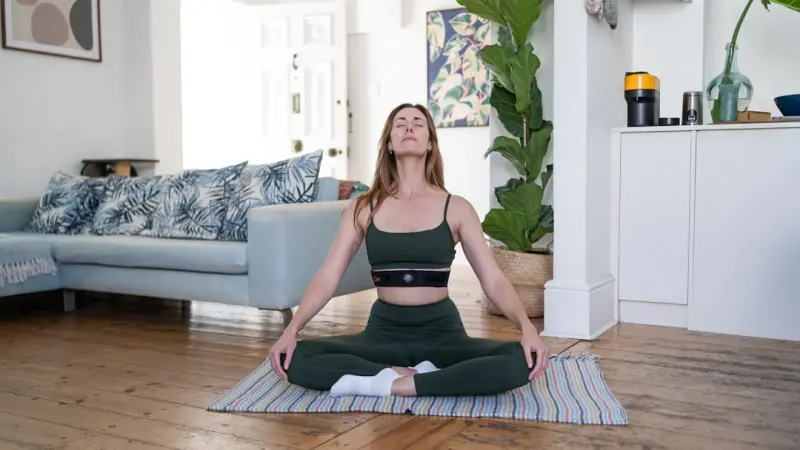
How Breathwork Can Reboot Your Health in a Screen‑Heavy World
A practical guide to integrating breathwork into daily routines, showing how a few mindful breaths c... Read More

Harnessing Natural Light to Reset Your Body’s Clock and Boost Health
Learn practical ways to use sunrise, midday sun, and evening darkness to synchronize your circadian ... Read More
Top Posts

When AI Becomes the Boardroom’s Silent Strategist
AI is quietly reshaping the boardroom, offering real‑time risk detection, massive scenario simulations, and narrative‑driven insights that empower executive...Read More

Why Urban Forest Bathing Is the Next Health Revolution
Discover the science and simple steps behind urban forest bathing, a practice that transforms city parks and rooftop gardens into powerful health allies for str...Read More
How to Future‑Proof Your Career in the Age of Remote Work
Learn how to thrive in the remote‑work era with actionable tips on branding, skill stacking, workspace design, and negotiation, turning uncertainty into oppor...Read More
Travel Light, Think Deep: Building a Minimalist Toolkit for Global Problem‑Solving
A minimalist travel toolkit, combined with micro‑habits, turns ordinary trips into powerful innovation labs, enhancing productivity and creativity while keepi...Read More
0 Comments
Post Comment
You will need to Login or Register to comment on this post!