
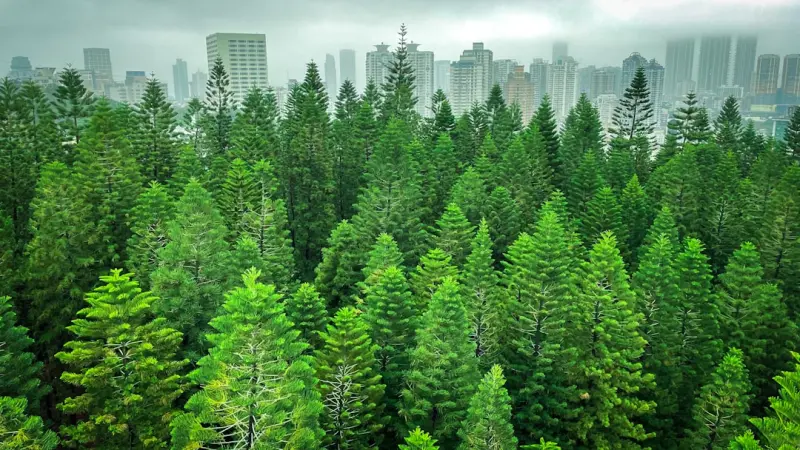
Why Miniature Urban Forests Are the Next Big Thing for City Dwellers
When I first moved into a third‑floor walk‑up with a modest balcony, I thought my love for trees would have to stay a weekend‑only hobby. That was until I stumbled upon a tiny sapling at a local plant swap and decided to plant it in a repurposed coffee can. Over the months that followed, that single tree became the catalyst for an entire miniature urban forest right on my balcony. It turned my cramped concrete perch into a thriving, breath‑bringing oasis. If you’re reading this, you’re probably wondering how to achieve the same transformation in your own limited space. Below, I’ll walk you through the philosophy, the practical steps, and the surprising benefits that come with cultivating a pocket‑sized forest in the heart of the city.
The Philosophy Behind a Miniature Urban Forest
Traditional gardening often focuses on aesthetics—colorful blooms, orderly rows, or the occasional vegetable plot. A miniature urban forest flips that script. Instead of asking “What looks good?” I ask, “What ecosystem can I nurture here?” It’s about mimicking the layered structure of a natural forest—canopy, understory, shrubs, groundcover, and even the soil microbiome—within a square‑meter footprint.
This approach draws on three core ideas:
- Layering for biodiversity. Each layer provides habitat for different insects, birds, and microbes, creating a self‑sustaining micro‑ecosystem.
- Native species first. Using plants that belong to your region reduces water needs, pest pressure, and maintenance.
- Purposeful design. Every plant, pot, or piece of wood has a role—whether it’s providing shade, improving soil health, or serving as a visual anchor.
Think of your balcony as a miniature version of the woods you might hike on a weekend. The goal isn’t to recreate a full‑scale forest but to capture its spirit: diversity, resilience, and a sense of calm.
Getting Started: Assessing Your Space
Before you rush out to buy a handful of trees, take a moment to assess the realities of your balcony or patio:
- Sunlight exposure. Track the sun’s path for a week. Does your space get full sun (6+ hours), partial shade (3‑6 hours), or deep shade? This determines which species will thrive.
- Weight limits. Concrete balconies often have load limits. Heavy pots and soil can add up fast. Choose lightweight containers (e.g., fabric grow bags) and consider vertical planting to distribute weight.
- Wind protection. High‑rise balconies can be wind tunnels. Use windbreaks—bamboo screens, lattice, or even a row of sturdy shrubs—to shield delicate seedlings.
- Water access. Proximity to a faucet makes watering easier. If you’re farther away, consider a self‑watering system or a rain barrel with a gravity‑fed drip line.
By documenting these constraints, you’ll avoid costly trial‑and‑error and set the stage for a forest that’s both beautiful and sustainable.
Selecting the Right Species
Here’s a quick cheat‑sheet for a three‑layer forest that fits on most balconies (average 2 × 2 m):
- Canopy (0.5–1 m tall). Dwarf varieties of Japanese Maple (Acer palmatum ‘Dissectum’), Olive Tree (Olea europaea ‘Little Ollie’), or a compact Fig (Ficus benjamina ‘Petite’).
- Understory (30–50 cm). Small evergreen shrubs like Dwarf Boxwood (Buxus sempervirens ‘Suffruticosa’) or Lavender (Lavandula angustifolia) for aroma and pollinator support.
- Groundcover (10–20 cm). Creeping Thyme (Thymus serpyllum), Sedum, or Irish Moss (Sagina subulata) that tolerates foot traffic and retains moisture.
- Micro‑fauna. Incorporate a Multi‑Sensory Sanctuary vibe by adding a small bee hotel, mushroom log, or worm bin to boost soil life.
When selecting, prioritize native or well‑adapted species. For example, if you live on the West Coast, consider native Manzanita or California Buckwheat; on the East Coast, opt for Serviceberry or Eastern Redbud.
Building Your Forest: Step‑by‑Step Guide
1. Soil, Not Soil‑Free
Don’t be tempted by cheap potting mixes that drain too quickly. A high‑quality, loamy blend with added compost and a handful of perlite will give roots room to breathe while holding enough moisture. For a truly forest‑like feel, incorporate mycorrhizal fungi inoculant. This symbiotic fungus extends the root network, improving water uptake and nutrient acquisition—especially useful in confined containers.
2. Container Strategy
Layered containers emulate forest strata. Use a tall, wide pot for the canopy tree, a medium‑sized pot or tiered shelf for understory shrubs, and shallow trays for groundcovers. To save space, try vertical gardening with wall‑mounted planters or repurposed pallet wood. Remember to line pots with a breathable fabric sleeve to prevent root rot.
3. Planting in Layers
Start with the canopy tree. Place it in the back or center where it can receive the most light. Next, arrange understory shrubs around the base, ensuring they don’t shade the canopy too much. Finally, spread groundcovers over the remaining soil surface, filling gaps and creating a carpet effect. Water gently after planting to settle the soil.
4. Mulching & Moisture Management
A layer of shredded bark, coconut coir, or leaf mold does three things: retains moisture, suppresses weeds, and gradually adds organic matter as it breaks down. For balconies that get wind‑blown dry, a self‑watering reservoir beneath your pots can keep roots hydrated for days.
5. Feeding the Forest
Instead of synthetic fertilizers, feed your forest with slow‑release organic pellets or a liquid seaweed spray. These provide micronutrients without overwhelming the delicate soil balance. Apply in early spring and again in late summer—just enough to keep growth steady.
6. Introducing Beneficial Critters
Beneficial insects like ladybugs, lacewings, and hoverflies keep aphids at bay. A modest Heirloom Gardens mindset reminds us that biodiversity is a two‑way street: you provide habitat, and nature returns the favor with pollination and pest control.
Maintenance Made Simple
One of the biggest myths about urban forests is that they demand constant attention. In reality, a well‑designed pocket forest can be low‑maintenance once established:
- Prune lightly. Remove dead or crossing branches in late winter to shape growth and improve air circulation.
- Water smart. Check soil moisture weekly with a simple finger test. If the top inch feels dry, water deeply.
- Rotate plants. If a species begins to dominate, thin it out to give space for slower growers.
- Seasonal refresh. Swap out annual groundcovers for perennials as the seasons change to keep the forest dynamic.
With these practices, your balcony forest will become a self‑regulating system, much like the larger woods it emulates.
Unexpected Benefits: Beyond Aesthetics
Creating a miniature urban forest does more than beautify a space. Here are some less obvious perks:
- Air purification. Trees and shrubs absorb pollutants, trap dust, and release oxygen—crucial in densely populated areas.
- Thermal regulation. A canopy provides shade, reducing heat gain on hot days and keeping your balcony cooler.
- Mental health boost. Studies show that even a small patch of greenery can lower cortisol levels, improve focus, and increase feelings of well‑being.
- Wildlife corridor. Your balcony becomes a stepping stone for pollinators moving across the urban matrix, supporting citywide biodiversity.
- Community conversation starter. Neighbors often stop by to admire your forest, sparking conversations about sustainability, plant care, and local ecology.
In short, a miniature urban forest is a micro‑investment that pays dividends in health, climate resilience, and social connection.
Scaling Up: From One Balcony to an Entire Building
If you fall in love with your personal forest, why not expand the concept? Many forward‑thinking co‑ops and apartment complexes are now integrating communal green walls and rooftop mini‑forests. Here’s how you can champion the idea:
- Document your process. Take before‑and‑after photos, keep a simple care log, and share results with building management.
- Propose a pilot. Offer to lead a small trial on a vacant rooftop or shared balcony.
- Gather allies. Recruit fellow residents who are enthusiastic about gardening, sustainability, or design.
- Show the ROI. Highlight benefits like reduced cooling costs, increased property value, and improved resident satisfaction.
When a building collectively embraces mini‑forests, the impact multiplies—transforming a concrete jungle into a thriving green network.
Final Thoughts: Your Forest Awaits
When I first placed that solitary sapling in my balcony, I never imagined it would become the centerpiece of my daily routine—a place to sip coffee, read, and watch hummingbirds flit between leaves. By adopting the miniature urban forest model, you can create a similar sanctuary, no matter how limited your square footage. It’s a blend of art, science, and a pinch of patience, but the payoff—cleaner air, a calmer mind, and a thriving ecosystem—is well worth the effort.
So, grab a pot, pick a few native species, and start laying the groundwork for your own pocket forest. The city may be bustling, but within the confines of your balcony, you can cultivate a quiet, resilient world that reminds you of nature’s boundless capacity to adapt and flourish.

Tyler Johnson is a seasoned freelance writer with a keen eye for detail and a passion for crafting compelling narratives. His years of experience have honed his ability to adapt his style to suit diverse client needs and project requirements.
Related Posts
Cultivating a Sensory Garden: A Five‑Sense Sanctuary for Home Wellness
Create a garden that engages sight, sound, smell, touch, and taste—transforming your backyard into... Read More
Crafting an Outdoor Creative Studio: Your Garden as a Hobby Hub
Turn your backyard into a vibrant creative studio where painting, woodworking, and quiet contemplati... Read More

The Rise of the Living Kitchen: Merging Gardens with Culinary Spaces
Learn how to integrate herbs, microgreens, and smart growing tech into your kitchen, creating a sust... Read More
Top Posts

Structured Daydreaming: A Surprising Mental Health Boost
Structured daydreaming, when done intentionally, activates the brain’s default mode network, fostering creativity, resilience, and stress relief. Learn a simp...Read More

Pet‑Friendly Garden Design: Style Meets Function for Your Furry Companions
Learn to design a chic, pet‑friendly garden that blends safety, durability, and aesthetics, turning your backyard into a stylish haven for both humans and fur...Read More

Reverse Mentorship: A New Growth Engine for Employees
Reverse mentorship flips the traditional mentor‑mentee model, letting junior staff guide senior leaders. This article outlines why it matters, how to start, a...Read More

When Machines Meet Sustainability: AI’s Role in Building a Circular Future
AI is shifting from speed‑focused automation to a catalyst for sustainable innovation, enabling circular product design, greener supply chains, and ethical au...Read More
0 Comments
Post Comment
You will need to Login or Register to comment on this post!