

Welcome to the Multi‑Sensory Sanctuary: Redefining Comfort at Home
When I first moved into my downtown loft, I was dazzled by the open‑plan layout, the floor‑to‑ceiling windows, and the sleek industrial finish. Yet, after a few weeks, the space felt a little… flat. It had all the visual appeal a design magazine could brag about, but it was missing that intangible quality that makes a house feel like a true sanctuary. I realized I was neglecting the other senses that shape our perception of comfort.
In this deep dive, I’ll walk you through how to transform any room into a multi‑sensory haven using three foundational pillars: sound, light, and tactile texture. You’ll discover practical, low‑budget tricks, as well as a few “wow” upgrades that feel luxurious without breaking the bank. By the end, you’ll have a toolbox of ideas to make your home not just look good, but feel good, sound good, and even smell good—all while staying true to the practical, hands‑on approach I’ve always championed.
1. Soundscapes: From Background Noise to Curated Harmony
We spend a huge chunk of our day in our homes, but we rarely think about how acoustic design influences mood, focus, and even sleep quality. The unexpected prescription for modern stress is often louder than we think—external traffic, humming appliances, or the echo of a hard‑surface floor.
Step 1: Identify the acoustic problem zones. Walk through each room and notice where sound either dissipates (hard floors, bare walls) or amplifies (large windows, high ceilings). In a living room with a glass coffee table, you’ll hear footsteps like a drumbeat. In a bedroom with thin walls, a neighbor’s late‑night Netflix binge can become a nightly soundtrack.
Step 2: Deploy strategic softening. Here’s where texture meets function. A few well‑placed rugs (think natural fibers for a warm feel) can absorb up to 30% of footfall noise. Wall hangings—tapestries, acoustic panels, even a row of framed vintage records—break up sound reflections. If you’re on a budget, a dense bookshelf filled with books becomes a surprisingly effective sound barrier.
Step 3: Add purposeful sound sources. Instead of letting the ambient noise dictate your environment, curate it. A low‑profile Bluetooth speaker can stream white‑noise tracks, gentle rain sounds, or your favorite lo‑fi playlist. For the tech‑savvy, a smart assistant with an “Ambient Mode” can adjust volume and genre based on the time of day—upbeat rhythms in the morning, mellow tones at night.
Pro tip: Pair sound with a visual cue. When you switch to a “focus” playlist, dim the lights and close curtains. Your brain starts associating the auditory pattern with a specific activity, making the transition smoother.
2. Light: Designing for the Eye and the Brain
We’ve all heard the hype around circadian lighting, but that was the focus of another post you may have read. Here, we’ll talk about a broader, everyday approach to lighting that works for any home, whether you’re a night‑owl or an early‑bird.
Layered lighting is your secret weapon. Think of lighting as a three‑tiered sandwich:
- Ambient lighting—the base layer that provides overall illumination. Ceiling fixtures, recessed LEDs, or a central pendant lamp set the scene.
- Task lighting—the focused slice. Desk lamps, under‑cabinet lights in the kitchen, or a reading lamp beside the sofa help the eyes concentrate on specific activities.
- Accent lighting—the garnish. Strip LEDs behind a TV, spotlights on artwork, or a soft glow from a floor lamp adds depth and drama.
When these layers work together, you avoid the harsh “office‑like” feel while still keeping each area functional.
Warm vs. cool tones. Cooler whites (4000‑5000K) boost alertness—perfect for kitchens and home offices. Warmer hues (2700‑3000K) promote relaxation, ideal for living rooms and bedrooms. A simple switchable smart bulb can toggle between temperatures with a voice command, letting you shift moods without getting up.
Natural light as a design element. Don’t just throw blackout curtains over windows. Instead, experiment with sheer layers that diffuse sunlight while preserving privacy. Plant a tall fiddle‑leaf fig or a series of tall dracaenas near a window to create a living “light filter.” Not only does this soften glare, it adds a visual anchor that ties the room together.
3. Tactile Texture: The Under‑Appreciated Sensory Trigger
If you’ve ever walked barefoot on a cool tile floor in the morning, you know how a simple texture can instantly lift your mood. Tactile sensations are powerful, yet most home‑decor guides gloss over them.
Flooring upgrades without full‑scale renovation. Area rugs are the go‑to solution, but consider adding a soft runner in high‑traffic corridors. Materials like boucle or chenille offer plush underfoot comfort. For a more daring touch, install interlocking foam tiles in a home gym or kids’ playroom—they’re easy to replace and add a subtle cushion.
Soft furnishings. Swapping a standard throw pillow for one with a velvet or faux‑fur finish instantly upgrades a sofa’s tactile appeal. Mix and match fabrics—linen for breathability, wool for coziness, and a splash of silk for a luxe feel. When you’re shopping, run your hand over the fabric before purchasing. If it feels good, it will look good in the space.
Surface treatments. Paint isn’t just visual; certain finishes add a tactile dimension. Matte finishes feel soft to the touch, while semi‑gloss or satin adds a subtle slickness. For a creative twist, apply a textured plaster on a single accent wall. It’s a low‑cost way to introduce depth without adding furniture.
Combine tactile layers with the other two pillars: a plush rug under a softly lit reading nook with a gentle acoustic background becomes an immersive sensory capsule.
4. Integrating Scent: The Invisible Yet Potent Layer
While the assignment focuses on sound, light, and touch, we can’t ignore scent—it’s the final piece that pulls everything together. A well‑chosen aroma can reinforce the emotional tone set by the other senses.
DIY natural diffusers. Fill a glass jar with a blend of dried lavender, citrus peels, and a few drops of cedarwood essential oil. Place a small, battery‑operated fan nearby to circulate the scent gently. The benefit? You control the intensity, and the ingredients are biodegradable.
Cooking as scent therapy. The aroma of simmering herbs, a fresh loaf of bread, or a pot of slow‑cooked stew can turn the kitchen into a comforting oasis. Pair this with the earlier tip of zero‑waste kitchen strategies to keep the space both fragrant and environmentally mindful.
5. Putting It All Together: A Room‑by‑Room Blueprint
Below is a quick guide to applying the three‑plus‑one pillars in the most common areas of a home. Feel free to cherry‑pick the ideas that suit your lifestyle.
Living Room – The Social Hub
- Sound: Install a thick rug, add a wall tapestry, and use a Bluetooth speaker set to “ambient” mode for low‑level background music.
- Light: Use a dimmable overhead fixture (warm tone) paired with a floor lamp for reading. Add LED strip lighting behind a TV console for subtle accent.
- Touch: Swap standard couch cushions for a mix of velvet and woven fabric throws. Include a soft, oversized pouf for extra lounging comfort.
- Scent: Place a citrus‑herb diffuser on the coffee table for an uplifting vibe during gatherings.
Home Office – The Focus Zone
- Sound: Acoustic panels on the wall behind the desk; a white‑noise app on a discreet speaker.
- Light: Cool‑white desk lamp with adjustable brightness; natural light from a nearby window with sheer curtains.
- Touch: A leather‑top desk mat and a memory‑foam seat cushion to reduce fatigue.
- Scent: A hint of peppermint essential oil to boost alertness without being overpowering.
Bedroom – The Retreat
- Sound: Heavy curtains to dampen external noise; a low‑volume nature sound track at night.
- Light: Warm bedside lamps with a dimmer; blackout shades for deep sleep cycles.
- Touch: High‑thread‑count sheets, a weighted blanket, and a plush rug beside the bed.
- Scent: Lavender or chamomile diffuser for a calming bedtime routine.
Kitchen – The Creative Workshop
- Sound: Soft‑closing cabinet hinges and a quiet exhaust fan to keep the space serene.
- Light: Bright task lighting under cabinets; pendant lights over the island for visual interest.
- Touch: A silicone mat for standing comfort; wooden cutting boards that feel solid under knives.
- Scent: Let the aromas of simmering broth and fresh herbs become the room’s natural perfume.
6. Maintaining the Multi‑Sensory Balance
Creating a sanctuary is only half the battle; keeping it alive requires regular attention. Here are some maintenance habits to embed into your routine:
- Weekly acoustic check. Walk through each room and listen for new echo points—perhaps a loose floorboard or a newly hung mirror that’s reflecting sound.
- Monthly lighting audit. Swap out any burnt‑out bulbs, clean fixtures, and reassess the balance of layers as your activities evolve.
- Seasonal texture refresh. Rotate blankets, cushions, and rugs to match the weather—light cotton in summer, heavy wool in winter.
- Quarterly scent reset. Clean diffuser reservoirs, replace essential oil blends, and rotate scents to prevent olfactory fatigue.
By treating each sense like a component of a well‑tuned orchestra, you’ll notice that even the most mundane moments—reading a book, cooking dinner, or simply sitting in silence—feel richer, more grounded, and deeply satisfying.
7. Final Thoughts: Your Home, Your Symphony
At the end of the day, the goal isn’t to turn your home into a high‑tech showroom; it’s to make it a place that welcomes you back with open arms, soothing sounds, gentle light, and textures that invite you to linger. When you design with all five senses in mind, you’re not just decorating a space—you’re crafting an experience that evolves with you.
So, pick one room, apply a single change—maybe a new rug or a calming playlist—and feel the difference. Then, layer on the next sense. Before you know it, you’ll have built a personal sanctuary that feels as alive as the world outside, but far more attuned to your own rhythm.

Brad Hays is a freelance writer known for his versatile skill set and ability to craft compelling content across a wide range of industries.
Related Posts
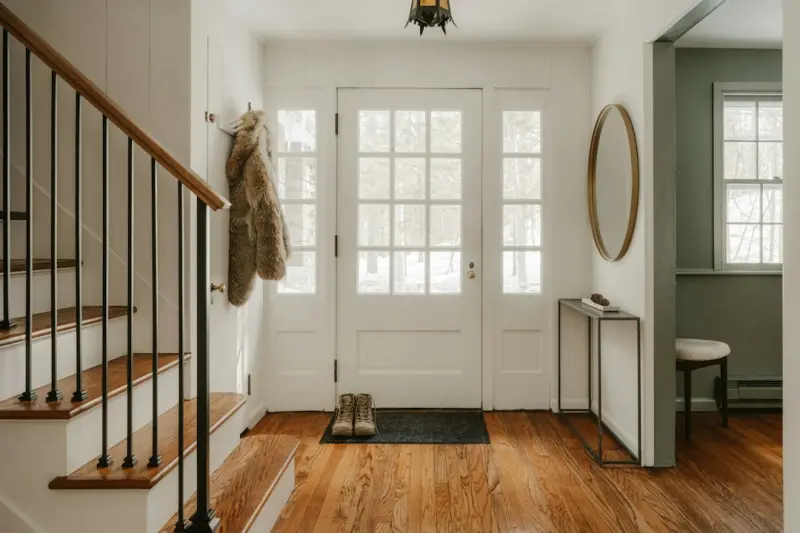
Transform Your Entryway into a Stylish First Impression
A step‑by‑step guide to revamping your hallway, from decluttering and zoning to lighting, mirror... Read More

Unlock Hidden Storage: 12 Clever Hacks for Small Spaces
Learn 12 innovative, low‑cost storage hacks that turn everyday furniture and walls into hidden com... Read More

Transform Your Entryway into a Curated Gallery That Welcomes and Inspires
A step‑by‑step guide shows how to declutter, zone, light, and decorate your entryway like a mini... Read More
Top Posts

Digital Detox on the Road: A Blueprint for Mindful Remote Work Travel
A structured digital detox transforms remote‑work travel from a constant buzz into a rejuvenating experience. This guide offers actionable steps, case studies...Read More

The Urban Oasis: Crafting a Multi‑Sensory Garden That Works Around Your Schedule
Learn to turn any small balcony or patio into a multi‑sensory oasis that engages sight, sound, scent, touch, and taste—offering a calming retreat and a prod...Read More

Breathe Like a Pro: How Intentional Breathwork Supercharges Your Health
Learn practical breathwork methods that transform stress into calm, enhance sleep quality, and strengthen immunity, all through the power of intentional breathi...Read More

Scented Garden Paths: A Fragrant Blueprint for Small Outdoor Spaces
A scented garden path turns a modest outdoor area into a multisensory sanctuary, blending aromatic herbs, seasonal planting, and simple design tricks to boost w...Read More
0 Comments
Post Comment
You will need to Login or Register to comment on this post!