
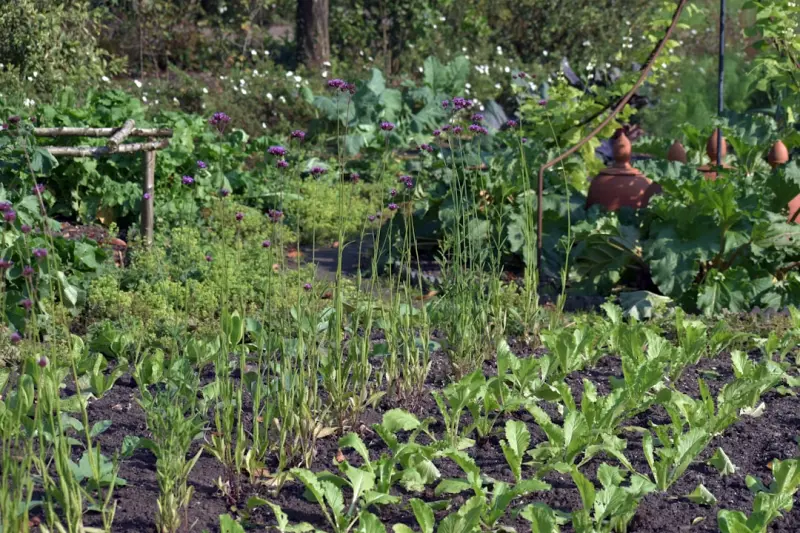
Why Heirloom Varieties Matter in Modern Gardens
When I first inherited my grandmother’s weather‑worn plot, the most striking thing wasn’t the cracked stone wall or the overgrown roses—it was the lingering scent of tomatoes that had been saved from the Great Depression. Those tomatoes weren’t the glossy, uniform hybrids you see at the supermarket; they were heirloom varieties, each with its own story, flavor, and genetic resilience. In today’s fast‑paced world, bringing those legacy plants back to life isn’t just a nostalgic hobby—it’s a strategic act of biodiversity preservation, climate adaptation, and culinary adventure.
Finding and Selecting Seeds That Tell a Story
The first step toward a thriving heirloom garden is sourcing authentic seeds. Look for reputable seed banks, local historical societies, and even community swap meets. When you hold a packet labeled “Brandywine Tomato” or “Moon & Stars Watermelon,” you’re not just buying a plant; you’re acquiring a living archive of farmer ingenuity.
If you’re unsure where to start, fermentation starter kits often come with seed packets for vegetables that pair beautifully with fermented dishes. This creates a seamless loop: you grow, you ferment, you nourish.
Preparing Your Soil for Heritage Crops
Heirloom plants have evolved alongside the soils of their native regions, meaning they often demand richer, more diverse microbial life than modern hybrids. Begin with a soil test—many extension services offer free analyses. Based on the results, amend your beds with compost, well‑rotted manure, and a dash of mycorrhizal inoculant to encourage symbiotic relationships.
Remember, a healthy soil ecosystem is a living community. Incorporate cover crops like clover or winter rye to fix nitrogen and suppress weeds. When you later rotate your heirloom crops, you’ll notice fewer pest pressures and a more robust harvest.
Designing a Garden That Tells a Story
Unlike the uniform rows of commercial farms, an heirloom garden thrives on visual and structural diversity. Group plants by family (e.g., all brassicas together) but stagger their heights to create layers of interest. Use raised beds for crops that prefer well‑drained soil, and interplant with fragrant herbs—lavender, rosemary, and sage—to attract pollinators and beneficial insects.
For those with limited space, consider a “story garden” on a balcony or patio. Install vertical planters, trellises, and hanging baskets. Each container can hold a different heirloom, turning a compact area into a living museum of agricultural heritage.
Sustainable Practices to Keep the Legacy Alive
Preserving heirloom varieties goes hand‑in‑hand with sustainable gardening. zero-waste kitchen hacks can extend the life of your harvest—think vegetable scraps turned into broth, or stale bread reborn as croutons for garden compost.
Rain barrels, drip irrigation, and mulching not only conserve water but also maintain the micro‑climate your heirlooms cherish. Use reclaimed wood for garden beds, and opt for natural pest controls like neem oil or garlic spray instead of synthetic chemicals.
Harvesting and Preserving the Bounty
Timing is everything. Heirloom fruits and vegetables often reach peak flavor later than their hybrid counterparts. Harvest in the cool morning hours for the sweetest taste. Once you have your bounty, the preservation process becomes an extension of the garden itself.
Dry herbs, can tomatoes, or freeze greens to lock in nutrients. If you’re feeling adventurous, try making kimchi or sauerkraut—again, a perfect excuse to use those fermentation starter kits that pair beautifully with your homegrown cabbage and carrots.
Connecting the Garden to the Kitchen and Beyond
A true heirloom garden is a bridge between the earth and the table. When you slice into a perfectly ripe “Cherokee Purple” tomato, you’re tasting a lineage that stretches back centuries. Use this connection to educate family members, especially children, about the importance of seed saving.
Host a garden‑to‑plate dinner and invite neighbors to share stories of their own heritage crops. Such gatherings create sensory experiences that reinforce community bonds and celebrate the tactile, aromatic, and visual pleasures of gardening.
Saving Seeds for Future Generations
One of the most rewarding aspects of heirloom gardening is seed saving. After your plants have completed their life cycle, harvest seeds from healthy, disease‑free specimens. Clean, dry, and store them in airtight containers with a desiccant packet, labeling each with the variety, date, and any notes about performance.
Consider joining a seed swap network. Sharing your saved seeds not only diversifies your own garden but also contributes to a global effort to safeguard agricultural heritage.
Overcoming Common Challenges
- Uneven Ripening: Heirlooms often mature at different rates. Harvest selectively and stagger planting dates to ensure a continuous supply.
- Pest Susceptibility: While many heirlooms have natural resistance, they can be vulnerable to modern pests. Employ companion planting—marigolds next to tomatoes, for instance—to create natural deterrents.
- Space Constraints: Use vertical gardening techniques, such as trellised beans or cucumber towers, to maximize yield in small footprints.
Embracing the Ongoing Journey
Reviving heritage crops isn’t a one‑off project; it’s a lifelong dialogue with the land. Each season brings new lessons—soil chemistry shifts, climate nuances emerge, and the plants themselves respond in unexpected ways. By staying curious, documenting your observations, and sharing your successes (and failures), you become part of a larger narrative that transcends your own backyard.
So, roll up your sleeves, dust off those old seed packets, and let the stories of forgotten varieties take root once again. Your garden will thank you with richer flavors, deeper resilience, and a profound sense of connection to the generations that cultivated these plants before you.

Jim Pearse, a seasoned freelance writer, brings a wealth of knowledge and passion to the world of home and garden. From the intricacies of landscaping to the nuances of interior design, Jim delves into every aspect of creating comfortable, beautiful, and functional living spaces.
Related Posts
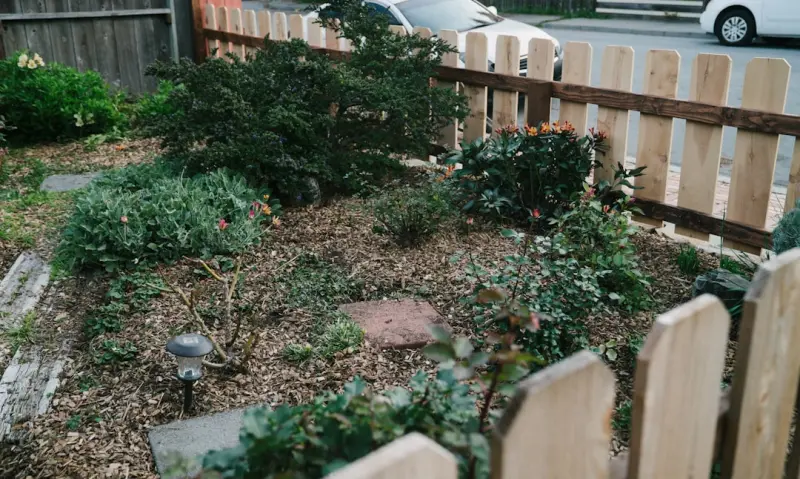
Smart Backyard Makeover: Turning Your Garden into a Connected Eco‑Hub
Learn to upgrade your garden into a smart, eco‑friendly space using soil sensors, weather‑aware ... Read More

Why Garden Desks Are the Hottest Trend Transforming Home & Garden Living
Explore the rise of garden desks, their design tips, productivity gains, and community impact, all w... Read More
Harvesting Harmony: Building a Living Kitchen Garden That Feeds Body and Soul
Learn step‑by‑step how to transform a kitchen countertop into a vibrant garden that supplies fre... Read More
Top Posts

Smart Home Swaps That Save Money and Reduce Waste
Learn practical, budget‑friendly home upgrades that slash energy costs, conserve water, and turn your space into an eco‑friendly haven....Read More

AI as the Quiet Catalyst for Ethical Innovation
Discover how AI serves as a subtle yet powerful force for ethical innovation, enhancing fairness, sustainability, and inclusive decision‑making across organiz...Read More

Turn Your Hallways into Power Zones: Simple Home Hacks for Energy and Focus
Learn to upgrade your hallway with layered lighting, smart storage, sound management, and micro‑rituals, turning this often‑ignored space into a powerful ca...Read More

Chrononutrition: Syncing Your Meals with Your Body Clock for Peak Performance
Chrononutrition teaches you to eat when your body is most ready to process food, aligning meals with natural hormonal cycles for better metabolism, sleep, and g...Read More
0 Comments
Post Comment
You will need to Login or Register to comment on this post!