
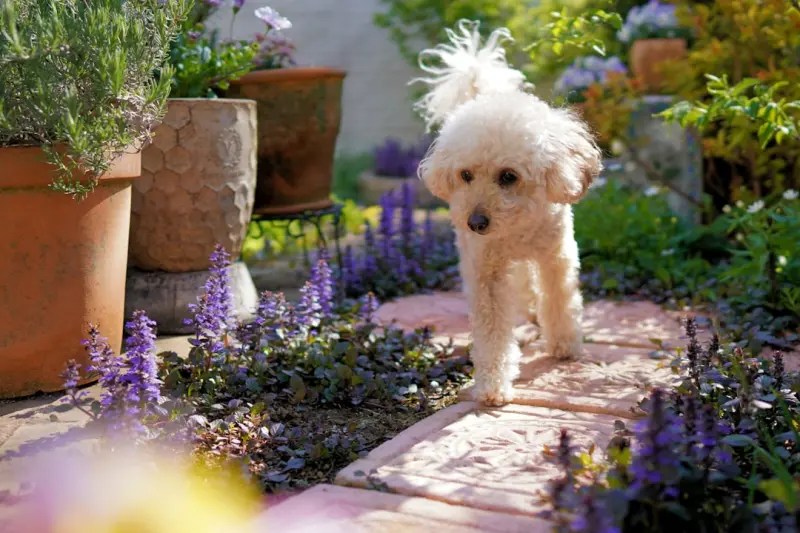
Why a Pet‑Friendly Garden Deserves Your Design Attention
When you share your yard with a dog, cat, or even a curious rabbit, the space becomes more than just curb appeal – it turns into a living extension of your home’s hospitality. Designing with pets in mind means balancing aesthetics, safety, and durability so that your garden looks polished while your companions roam freely without risk. The payoff is a backyard that invites spontaneous fetch sessions, sun‑bathing naps, and Instagram‑worthy moments without compromising on style.
Reading Your Pets: Behaviors That Shape Layout Decisions
Every species has its own set of instincts; dogs love scent trails and open fields, cats favor vertical perch‑points, and small animals appreciate burrowing hideaways. By observing where they naturally gravitate, you can carve out distinct zones—play areas, rest nooks, and exploration pathways—without forcing them into unsuitable spots. This behavioral mapping not only reduces wear on delicate plantings but also creates a garden flow that feels intuitive for both humans and animals.
Choosing Safe and Attractive Plant Selections
One of the biggest pitfalls in pet‑centric landscaping is selecting flora that looks gorgeous but is toxic if ingested; think of lilies for cats or oleander for dogs. Opt for hardy, non‑toxic options like lavender, rosemary, and marigold, which double as aromatic allies that can even deter fleas and ticks. Incorporating ground‑cover grasses such as fescue or dwarf mondo provides a soft carpet for paws while keeping muddy footprints at bay.
Designing Functional Zones for Play, Rest, and Hydration
A well‑planned garden partitions space into activity‑specific zones, each with its own visual cues and materials; a pebble‑filled play pit, a shaded hammock corner, and a sleek water station all signal purpose. Using contrasting textures—smooth flagstones for the lounge area, rugged bark mulch for the digging zone—helps pets understand where to go, reducing accidental damage to ornamental beds. Adding a raised water bowl on a concrete slab not only satisfies thirst but also prevents puddles from spreading across prized plantings.
Materials and Finishes That Withstand Four‑Pawed Traffic
Durability is paramount; choose slip‑resistant decking, reclaimed timber, or composite decking that can handle muddy paws without splintering. Avoid treated woods that release chemicals, and instead select natural, pet‑safe finishes like linseed oil or water‑based stains. Incorporating low‑profile fencing made from woven bamboo creates a visual barrier that keeps dogs contained while maintaining an open, airy feel.
Smart Water Management for Pet Health and Plant Health
Integrating a dedicated pet water station with a filtered drip system ensures clean hydration while protecting garden soil from over‑saturation. Pair this with rain‑garden basins that capture runoff, directing excess water away from delicate roots and reducing puddles where pets might slip. A subtle underground irrigation line, programmed for early‑morning delivery, keeps foliage lush without creating soggy spots that attract mosquitoes.
Seasonal Maintenance Strategies That Keep Both Pets and Plants Happy
Winter brings the challenge of frozen pathways; lay down interlocking rubber mats that provide traction for paws and protect underlying soil from compaction. In spring, a light top‑dressing of compost enriches the beds while also offering a nutrient‑rich digging zone for curious dogs. Regular pruning of aromatic herbs not only keeps them tidy but also reduces the risk of stray leaves turning into choking hazards for smaller animals.
Bridging Indoor Air Quality and Outdoor Play Spaces
Pets spend time both inside and out, so linking the garden’s fresh air benefits to your home’s indoor environment creates a holistic health loop. For example, planting air‑purifying sanctuary species like snake plant and spider plant near patio doors helps filter indoor pollutants while giving outdoor visitors a fragrant welcome. This seamless transition encourages you to keep doors open, letting breezes circulate and your four‑legged friends enjoy the best of both worlds.
Final Thoughts: Turning Your Yard into a Stylish Pet Haven
By marrying pet‑safety with contemporary design, you can craft a garden that feels like an extension of your living room—comfortable, inviting, and unmistakably you. Remember to test each plant for toxicity, use resilient materials, and create clear zones that guide pet behavior naturally. When done right, your backyard becomes a vibrant stage where style and companionship perform in perfect harmony, and you’ll find yourself looking forward to every sunrise stroll with your furry sidekick.

Jimmy Damon loves to right on a large scale of topics with all things Canadian as this Montreal die hard loves hockey. fishing and sports.
Related Posts

From Closet to Sanctuary: Reimagining Overlooked Home Spaces
Learn to turn underused areas like laundry rooms, hallway closets, and attic nooks into calming retr... Read More
Garden Desks: Jimmy Damon’s Blueprint for the Hottest Home & Garden Trend
Jimmy Damon reveals how garden desks transform work, boost well‑being, and lead the 2024 home & ga... Read More
Cultivating a Sensory Garden: A DIY Guide to Scent, Sound, and Serenity
Discover how to craft a garden that delights the senses—fragrant herbs, soothing sounds, tactile t... Read More
Top Posts

Turning Inbox Overload into a Mindful Flow: A New Approach to Workplace Mental Health
Learn a four‑phase “Mindful Inbox” method that turns email overload into a structured, stress‑free routine, boosting mental health and workplace perform...Read More

Traveling with All Five Senses: A New Way to Experience the World
Learn to craft travel itineraries that prioritize all five senses, using micro‑rituals and scent anchoring to turn ordinary trips into vivid, lasting experien...Read More

The Power of Personal Narrative in Boosting Workplace Mental Health
A fresh look at mental health shows that crafting personal narratives—brief story snippets about daily work moments—can rewire stress responses, enhance foc...Read More

Playful Reset: Using Curiosity to Defuse Modern Stress
Learn to turn everyday moments into playful resets, using curiosity, micro‑movement, and sensory tricks to lower stress and build lasting mental resilience....Read More
0 Comments
Post Comment
You will need to Login or Register to comment on this post!