

When you think about upgrading your living space, the first images that pop up are usually bold paint swatches, new furniture, or a full‑blown remodel. But the most lasting improvements often happen in the shadows—through subtle, intentional tweaks that let your home work for you instead of the other way around. Below, I walk you through a series of low‑effort, high‑impact strategies that turn everyday rooms into quiet powerhouses of comfort, health, and productivity. These aren’t about chasing the latest trend; they’re about building a home environment that silently supports the life you want to lead.
1. Harness Natural Light Without Breaking the Bank
Sunlight is free, but many homes waste it behind heavy curtains, deep‑colored walls, or poorly placed furniture. Start by re‑evaluating window treatments. Sheer panels let in diffuse light while maintaining privacy, and a simple pull‑back of heavy drapes each morning can brighten a room instantly. If a wall feels too dark, consider a light‑reflecting paint—soft whites, pale greys, or muted pastels bounce daylight deeper into the space.
Next, mirror placement becomes a strategic tool. Position a large mirror opposite a window to double the visual impact of natural light. This technique works especially well in narrow hallways and small kitchens, where the illusion of space can be as valuable as actual square footage.
2. Optimize Airflow for a Breathable Home
Stale air can sap energy and exacerbate allergies. You don’t need a whole‑house HVAC overhaul; start with the basics:
- Cross‑ventilation: Open windows on opposite sides of a room for a few minutes each day. The resulting breeze helps flush out indoor pollutants.
- Strategic fan placement: A ceiling fan set to reverse in winter pushes warm air down, while forward rotation in summer creates a cooling breeze.
- Houseplants as natural filters: Species like snake plant, pothos, and peace lily absorb volatile organic compounds (VOCs) and release oxygen.
If you have a kitchen exhaust fan, keep it clean. Grease buildup reduces efficiency and can re‑circulate odors back into the living area.
3. Create Acoustic Calm Zones
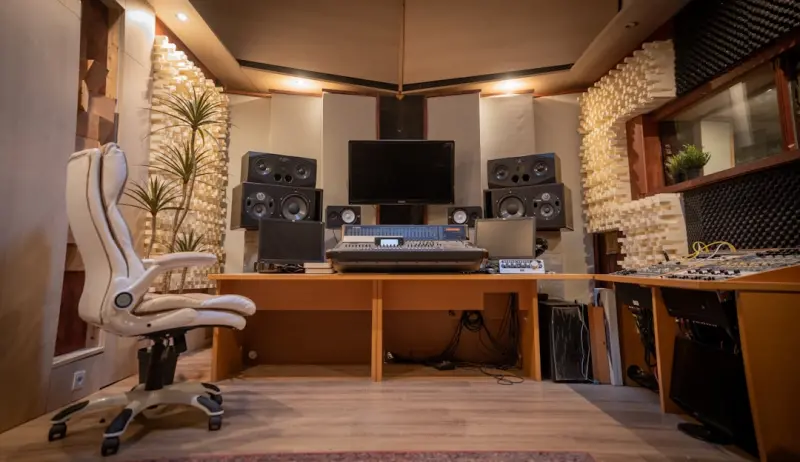
Noise pollution is the invisible stressor that most homeowners overlook. Whether you work from home or simply crave quiet evenings, acoustic comfort is essential. Start by identifying the loudest sources—traffic, streetlamps, or a bustling family area.
Soft furnishings act as sound absorbers. Adding a plush rug, heavyweight curtains, or upholstered furniture can cut reverberation by up to 30 %. For a more focused approach, consider audio ambience for focus. A low‑volume playlist of nature sounds or white noise can mask external clatter and create a mental buffer that boosts concentration.
4. Implement Passive Temperature Regulation
Heating and cooling are major energy hogs. Passive techniques help you stay comfortable while keeping utility bills low:
- Thermal curtains: Heavy drapes at night trap heat inside during winter and keep heat out during summer.
- Radiator reflectors: Place foil‑backed panels behind radiators to reflect warmth back into the room instead of the wall.
- Strategic window films: Low‑emissivity (low‑E) films reduce solar heat gain in summer and retain warmth in winter without darkening the glass.
Even a simple habit—closing blinds during the hottest part of the day—can shave 5–10 % off your cooling costs.
5. Streamline Storage with Multi‑Purpose Furniture
Clutter creates visual noise and mental fatigue. The goal isn’t to buy more furniture but to make each piece serve several roles. Look for:
- Ottomans with hidden compartments for blankets and magazines.
- Bench seating at entryways that doubles as shoe storage.
- Wall‑mounted folding desks that collapse when not in use, freeing floor space for yoga or play.
When you choose pieces that blend storage with function, you eliminate the need for extra cabinets, keeping the visual line of the room clean and open.
6. Adopt a “Digital Declutter” Mindset at Home
Physical clutter isn’t the only thing that distracts you. The omnipresence of screens can bleed into the sanctuary of your home, making it hard to unwind. Borrow a principle from the curate your digital intake movement: set designated tech‑free zones. For example, keep the bedroom a device‑free zone to protect sleep quality, or create a “no‑notification” hour each evening to give your mind a break.
Apply the same habit loop you would use for a physical space: identify the trigger (e.g., checking email after dinner), replace it with a calming activity (reading a paper book, stretching), and reward yourself with a sense of mental clarity. Over time, this habit reduces cognitive overload and lets your home truly become a restorative environment.
7. Introduce Micro‑Movement Habits into Daily Routines
Staying stationary for long periods harms circulation and focus. Instead of a full‑blown exercise regimen, sprinkle tiny movement habits throughout your day. Simple actions—standing while you talk on the phone, a quick calf stretch before checking the mail, or a brief shoulder roll while waiting for the kettle—keep blood flow active and prevent the stiffness that makes a home feel oppressive.
These micro‑movements also pair nicely with ergonomically designed furniture. A height‑adjustable desk lets you switch between sitting and standing, while a supportive chair encourages proper posture, reducing the likelihood of aches that can turn a cozy living room into a source of discomfort.
8. Leverage Scent to Shape Mood
Smell is a powerful, often underused tool for shaping the emotional tone of a room. Natural essential oils—lavender for relaxation, citrus for alertness, or eucalyptus for clarity—can be diffused using low‑energy ultrasonic diffusers. Choose scents that align with the room’s purpose: a calming blend in the bedroom, invigorating citrus in a home office, and earthy sandalwood in a reading nook.
Couple scent with visual cues: a small bowl of fresh herbs or a pot of blooming indoor plants adds a subtle, ever‑present aroma that evolves with the seasons, reinforcing a sense of living harmony.
9. Build a Minimalist “Reset” Corner
Even the most organized homes benefit from a dedicated space for mental reset. This isn’t a full meditation room—just a small corner with a comfortable seat, a soft throw, and a single object that invites contemplation (a smooth stone, a favorite book, or a small water feature). Keep the area free of electronic devices and visual clutter.
When you need a break, retreat to this spot for five minutes of breathing or mindful observation. The practice builds resilience, allowing you to re‑enter the rest of your home feeling refreshed rather than drained.
10. Embrace Seasonal Maintenance Rituals
Finally, adopt a seasonal home‑care schedule. Small, regular check‑ins prevent larger, costly repairs and keep your living environment running smoothly. Here’s a simple framework:
- Spring: Inspect windows for drafts, clean gutters, test smoke detectors.
- Summer: Service the air‑conditioning unit, check for insect entry points, rotate mattress.
- Fall: Seal cracks, clean dryer vents, swap out heavy curtains for thermal ones.
- Winter: Check pipe insulation, test the heating system, declutter holiday décor.
These rituals are quick, require minimal tools, and create a sense of ownership over your space—transforming home maintenance from a dreaded chore into a mindful practice.
Putting It All Together: A Sample Week
To illustrate how these ideas can coexist, imagine a week in the life of a homeowner applying the above strategies:
- Monday: Open opposite windows for cross‑ventilation after work; replace heavy curtains with sheer panels in the living room.
- Tuesday: Add a mirror opposite the kitchen window to amplify daylight; set the home office to “no‑notification” after 7 p.m.
- Wednesday: Place a plush rug under the dining table to reduce acoustic echo; diffuse citrus oil before a video call.
- Thursday: Perform a 5‑minute micro‑movement routine while waiting for laundry; stand while taking phone calls.
- Friday: Declutter the entryway bench, store shoes in hidden compartments; enjoy a 10‑minute reset in the minimalist corner.
- Saturday: Conduct a quick spring maintenance check: test smoke detectors, clean gutters, seal minor cracks.
- Sunday: Unplug all non‑essential devices after dinner, enjoy a low‑tech evening with a book and soft ambient sound.
This rhythm doesn’t require a massive time commitment, but the cumulative effect is a home that feels more spacious, calmer, and healthier. By integrating subtle adjustments—light, airflow, sound, scent, and mindful habits—you create a living environment that quietly fuels your well‑being.
Remember, the most powerful upgrades are the ones you barely notice. When the day ends, you’ll find yourself slipping into a space that supports you without demanding attention. That, in my experience, is the truest definition of a home that works for you.

Ryan Stuart is a seasoned freelance features writer, editor, and professional photographer with a passion for exploring the world and capturing its beauty through words and images.
Related Posts

How to Keep Your Home Feeling Fresh with Seasonal Decor Swaps
Learn how to transform your home with simple seasonal decor swaps, using color psychology, smart sto... Read More

Cultivating a Green Creative Haven: Home Tips for Boosting Inspiration
Learn to transform any space into a thriving, plant‑filled creative hub using simple plant selecti... Read More
Soundproof Your Sanctuary: Practical Home Acoustics Hacks
Learn how to tame unwanted noise with affordable tweaks, DIY acoustic panels, strategic furniture pl... Read More
Top Posts

Curiosity as a Mental‑Health Superpower: Harnessing Wonder for Everyday Resilience
Explore how cultivating curiosity can become a daily mental‑health practice, turning stress into discovery and fostering lasting emotional resilience....Read More

Storytelling for the Soul: How Writing Your Own Narrative Boosts Mental Health
Learn how crafting your own narrative through journaling can calm the mind, reshape stress pathways, and foster lasting emotional resilience....Read More

Beyond the Itinerary: Turning Travel Into a Personal Growth Lab
Explore a fresh “growth‑first” travel framework that blends micro‑experiments, reflective tools, and AI assistance, turning every journey into a persona...Read More

The Unseen ROI of AI‑Powered Empathy in SaaS
AI can do more than crunch numbers; when designed for empathy it uncovers why users feel the way they do, turning insights into actions that lower churn, increa...Read More
0 Comments
Post Comment
You will need to Login or Register to comment on this post!