
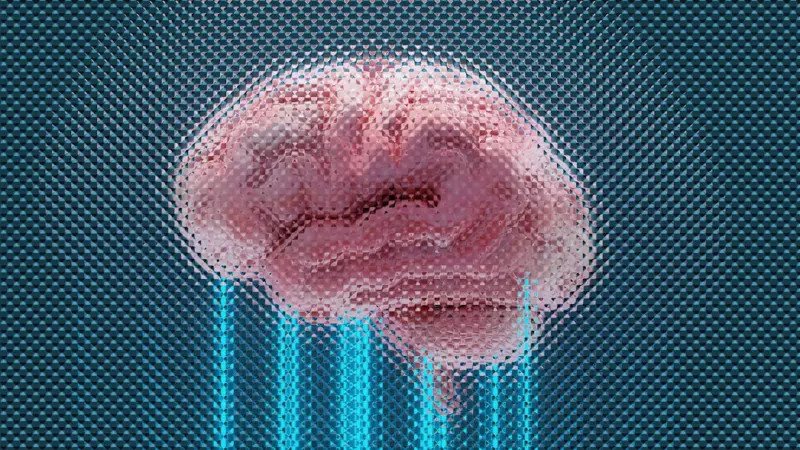
Ever feel like your brain is a kitchen overloaded with too many ingredients, each shouting for attention? I’ve been there—scrolling endless feeds, juggling newsletters, and trying to keep up with the latest industry buzz while still remembering to breathe. The result? A mental mash‑up that leaves you frazzled, unfocused, and oddly hungry for peace. In my years of building product teams and battling my own attention‑deficit tendencies, I discovered a surprisingly simple lever: treat your digital intake the same way you’d manage your diet. What you consume in bytes, clicks, and notifications directly shapes how sharp, calm, and creative your mind can be.
The Brain as a Nutrient‑Sensitive Organ
Neuroscience tells us that the brain is a highly plastic organ, constantly rewiring itself based on what we feed it. Just as sugar spikes can destabilize blood glucose, a flood of low‑quality information can spike mental cortisol, eroding focus and emotional resilience. Conversely, nutrient‑dense content—thought‑provoking articles, well‑curated podcasts, and purposeful silence—acts like omega‑3s for the mind, supporting neural connectivity and mood regulation.
Think of your attention as a limited calorie budget. If you spend ten “mental calories” on a mind‑numbing meme, you have fewer left for deeper work. The key isn’t to eliminate consumption; it’s to allocate those calories wisely, ensuring each bite fuels the mental muscles you want to strengthen.
Step 1: Conduct a Digital Food Diary
Before you can edit your diet, you need data. For a week, log everything you consume—articles, videos, social posts, emails, and even background noise. Note the time, source, and how you felt afterward (energized, drained, neutral). I call this the information audit, and it’s the first step toward reclaiming mental bandwidth.
- Identify the junk. Repetitive click‑bait headlines, endless TikTok loops, and generic “news of the day” feeds often provide little value but consume massive attention.
- Spot the superfoods. In‑depth analyses, well‑researched case studies, and expert interviews tend to leave you feeling informed and motivated.
- Track emotional after‑effects. Do you feel a surge of curiosity after a podcast, or a lingering anxiety after a news alert? This emotional metric is the most reliable indicator of quality.
When you finish the week, you’ll have a clear picture of which sources are mental sugar and which are brain‑boosting proteins.
Step 2: Curate, Don’t Cut
Many people assume the solution is to go on a digital fast, but that’s unsustainable for professionals who need to stay informed. Instead, apply a curatorial mindset: select the best, discard the rest.
Start by consolidating sources into three tiers:
- Core Knowledge. High‑value newsletters, industry journals, and podcasts that align directly with your goals. Limit these to a handful that you trust implicitly.
- Growth Snacks. Short, occasional reads that spark curiosity—think thought‑leadership pieces or emerging‑technology briefs. Schedule them as a “snack” rather than a main course.
- Mindful Breaks. Content designed purely for relaxation, such as ambient soundscapes or guided meditations. These are the mental equivalent of a refreshing glass of water.
When you’re ready to prune, consider using RSS aggregators or custom feed filters that automatically hide low‑tier items. Tools like Feedly, Inoreader, or even a simple Google Alert can be configured to surface only the content you’ve earmarked as “Core.”
Step 3: Schedule Your Consumption
Just as you’d eat breakfast at a set time, allocate specific windows for digital intake. My personal routine looks like this:
- Morning (30 min). A quick scan of the Core Knowledge feeds while sipping coffee—no scrolling past the first headline.
- Midday (15 min). A “Growth Snack” podcast episode during lunch, paired with a short walk.
- Afternoon (10 min). A mindful break featuring a curated soundscape to reset focus before diving back into deep work.
- Evening (20 min). Reflective reading or a brief journaling session to integrate new ideas.
By compartmentalizing, you prevent information overload and give each type of content the attention it deserves. The brain, like the body, thrives on rhythm.
Step 4: Leverage Audio for Mental Reset
Audio is an under‑appreciated tool for mental hygiene. Unlike text, sound can occupy the peripheral auditory system, allowing the visual cortex to rest. A well‑chosen soundscape can lower cortisol, improve heart‑rate variability, and sharpen focus for the next task.
My go‑to lineup includes:
- Nature ambients. Rainforest drip, distant surf, or gentle wind—perfect for background during brainstorming.
- Binaural beats. Subtle frequencies that encourage alpha wave activity, ideal for deep work or creative flow.
- Guided micro‑meditations. One‑minute breath anchors that fit into a calendar slot without feeling like a “break” you have to justify.
Experiment with volume, timing, and genre to discover what resonates with your own neurochemistry.
Step 5: Turn Daydreams into Insight Engines
One of the most common side‑effects of a tight digital diet is the emergence of “mental space”—the quiet moments when your mind drifts. Instead of fighting those daydreams, I’ve learned to channel them, much like the practice described in daydream transformation. When your thoughts wander, ask yourself three questions:
- What problem am I subconsciously trying to solve?
- Which recent piece of information feels relevant?
- Is there a novel connection I can make?
Jot down any flashes in a dedicated “Idea Pocket” notebook. Over time, you’ll notice patterns—ideas that repeatedly surface, suggesting they’re worth deeper exploration.
Step 6: Embed Micro‑Habit Architecture for Consistency
Changing a digital diet isn’t a one‑off event; it’s a series of tiny, repeatable actions. The concept of micro‑habit architecture is perfect here. Build a habit loop around each consumption window:
- Trigger. A specific cue—your coffee maker, the start of lunch, the arrival of a calendar reminder.
- Action. Open the designated feed, press play on a podcast, or start the soundscape.
- Reward. A brief note of gratitude, a sip of water, or a mental “check‑in” that you stayed within the time limit.
Because the loop is tiny (often under five minutes), it’s easy to embed without resistance. Over weeks, the loop becomes automatic, freeing cognitive load for higher‑order tasks.
The Bigger Picture: From Personal Practice to Organizational Culture
If you’re a leader, consider extending this philosophy to your team. Encourage “information sprints” where everyone shares a single high‑value article each week, reducing the noise of endless Slack threads. Offer a curated list of mental‑wellness audio resources in your internal knowledge base. By modeling disciplined consumption, you set a tone that values focus over frenzy.
Takeaway Checklist
- Log your digital intake for one week to spot junk vs. superfood content.
- Tier your sources into Core Knowledge, Growth Snacks, and Mindful Breaks.
- Allocate fixed time slots for each tier, respecting natural work rhythms.
- Integrate soundscapes or brief audio meditations to reset focus.
- Capture daydream insights in an “Idea Pocket” for future deep dives.
- Apply micro‑habit loops to make the new routine stick.
When you treat your mind the way you’d treat a high‑performance engine—fueling it with premium content, giving it regular cool‑downs, and pruning the exhaust—your mental clarity, creativity, and resilience will skyrocket. The digital world will still be noisy, but you’ll be equipped with a filter that lets only the most nourishing signals through.

Ryan Stuart is a seasoned freelance features writer, editor, and professional photographer with a passion for exploring the world and capturing its beauty through words and images.
Related Posts

Soundless Zones: Harnessing Collective Stillness for Mental Resilience
Discover the power of intentional quiet spaces at work. Learn why collective stillness restores ment... Read More
The Curiosity Habit: A Simple Practice for Stronger Mental Resilience
A fresh look at mental wellness reveals curiosity as a powerful, everyday tool. Learn simple habits ... Read More

Micro-Reflection: Tiny Check-Ins for Big Mental Gains
A five‑minute micro‑reflection habit can transform your mental health by providing quick emotion... Read More
Top Posts

How a Personal Knowledge Hub Can Future‑Proof Your Career
A personal knowledge hub turns everyday learning into a career asset. Learn how to set it up, share it strategically, and let it open doors you didn’t know ex...Read More

From My Garden Desk: Rose DesRochers on the New Era of Employment
Rose DesRochers shares how a garden office reshaped her career, blending nature with productivity, and offers insight into the evolving world of remote work....Read More

Sensory Rituals & Sustainable Choices: A New Personal Care Era
Discover a fresh approach to personal care that blends tactile, scent, and light cues with sustainable ingredients, creating daily rituals that nourish both you...Read More
The Zero‑Waste Personal Care Revolution: Trim Your Routine and Your Footprint
A practical guide to cutting plastic, embracing refillable systems, and crafting DIY toiletries, showing how a sustainable personal care routine saves money, im...Read More
0 Comments
Post Comment
You will need to Login or Register to comment on this post!