
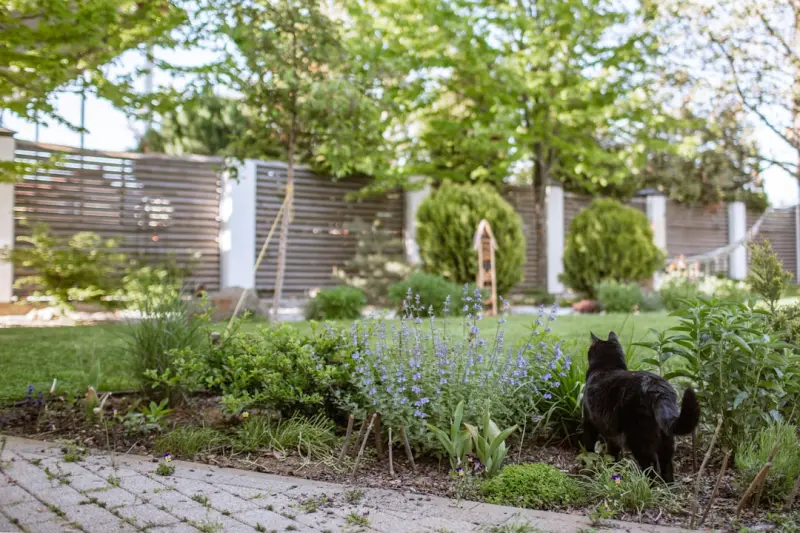
Why a Smart Garden Is the Next Home Upgrade
Imagine strolling through a garden that knows when to sip, when to shine, and when to whisper a gentle breeze through its leaves; that is the promise of a smart garden, a blend of horticulture and subtle technology that feels less like a gadget and more like a living ally. Modern homeowners are increasingly seeking solutions that reduce the mental load of maintenance while amplifying the joy of watching plants thrive, and intelligent sensors provide exactly that by monitoring soil moisture, sunlight exposure, and temperature in real‑time. By pairing these data points with automated watering systems, you can cut water waste by up to 30 percent, a statistic that resonates with eco‑conscious families who also crave convenience. The result is a garden that responds to weather patterns as naturally as a pet, creating a seamless rhythm between human intent and natural growth.
Core Technologies That Make the Magic Happen
At the heart of any connected yard lies a network of discreet devices: soil moisture probes, weather stations, Wi‑Fi‑enabled drip emitters, and solar‑powered LED strips, each communicating through a central hub that you can control from your smartphone or voice assistant. Moisture probes, for instance, send alerts when the soil dips below a preset threshold, prompting a drip line to release just enough water to restore balance without drowning roots; this precision replaces the guesswork of manual watering and prevents common problems like root rot. Complementing the hydration system, a compact weather station records temperature swings and humidity levels, feeding the data to an algorithm that adjusts shading panels or opens a greenhouse vent automatically. Finally, solar LED lighting not only adds ambiance after dusk but also powers itself, meaning you gain illumination without increasing your electric bill—an elegant nod to sustainable design that aligns with the eco‑friendly outdoor hacks many readers already love.
Designing the Layout: Where Tech Meets Aesthetics
Before you start plugging in devices, sketch a garden plan that treats technology as an invisible thread woven through plantings, pathways, and focal points, ensuring the visual flow remains organic rather than industrial. Position moisture sensors near the root zones of your most water‑sensitive specimens—think lavender, rosemary, or delicate perennials—while clustering drip emitters along rows of vegetable beds for uniform distribution; this strategic placement reduces the need for visible tubing, keeping the design clean and garden‑friendly. Incorporate raised beds with built‑in conduit channels that hide wiring and allow easy access for future upgrades, and use decorative stones or mulch to camouflage sensor housings, preserving the natural aesthetic. A well‑thought‑out layout also creates micro‑climates; by placing taller shrubs on the sun‑exposed side, you provide shade for shade‑loving ferns, and the smart system can adjust watering schedules accordingly, turning passive design into an active, responsive environment.
Step‑by‑Step: Installing an Automated Irrigation System
Begin with a thorough assessment of your garden’s water needs: map out zones based on plant type, sun exposure, and soil composition, then select a controller that supports multiple zones and integrates with popular smart home ecosystems. Next, lay out flexible drip tubing along your plant rows, securing it with garden staples and clipping the ends to the main feed line, making sure each emitter is positioned a few inches from the base of the plant to deliver water directly where roots can access it. Connect the tubing to a water‑proof valve module that receives commands from the central hub, and run a short length of power cable—preferably solar‑charged—to the valve, keeping the installation energy‑independent. Once the physical network is in place, pair each moisture sensor with its corresponding zone in the app, calibrate thresholds based on typical soil moisture levels for your region, and schedule a test run to verify even coverage; a quick adjustment of flow rates ensures that no plant is over‑ or under‑watered, creating a harmonious balance that feels almost magical.
Lighting the Night: Solar‑Powered Smart Illumination
Evening ambience is elevated when your garden lights adapt to dusk, motion, and even the moon’s phase, a feat made possible by solar‑charged fixtures equipped with motion sensors and programmable color temperatures. Install low‑profile solar panels in sunny corners, linking them to LED strips that run along pathways, beneath decking, or around a water feature, allowing the light to bloom as soon as the sun sets without draining your household electricity. Many smart lighting kits let you set scenes via a mobile app—choose a soft amber glow for intimate dinner parties, a crisp white for late‑night reading, or a subtle pulsing rhythm for festive occasions; the system can also dim automatically when it detects ambient light from nearby street lamps, conserving battery life. By integrating these fixtures with the same hub that manages irrigation, you achieve a unified control center where a single tap can pause watering during rain and simultaneously adjust lighting to reflect the weather, creating a cohesive, intelligent outdoor experience.
Integrating Plant Health Monitoring with Apps
Beyond watering, modern sensors can gauge leaf conductivity, detect nutrient deficiencies, and even alert you to pest activity, turning your garden into a data‑rich ecosystem that you can nurture with informed decisions. Choose a multi‑parameter sensor that plugs into the same network as your irrigation controller, then download the companion app that visualizes trends over weeks, highlighting when a particular plant’s chlorophyll levels dip, suggesting a targeted fertilizer boost. When the system flags a potential infestation—such as increased humidity that favors aphids—it can recommend organic treatments and schedule a targeted misting routine that delivers biocontrol agents precisely where needed, reducing chemical use. This holistic approach mirrors the principles found in upcycled furniture ideas, where thoughtful reuse and smart choices extend the life of both materials and living organisms.
Maintenance Made Minimal: The Joy of Set‑and‑Forget
One of the most rewarding aspects of a smart garden is the gradual shift from daily chores to periodic check‑ins, allowing you to enjoy the space rather than labor over it; the system handles routine watering, lighting, and climate adjustments, while you focus on creative tasks like planting new varieties or arranging seasonal décor. Schedule a monthly audit through the app to clean sensor lenses, flush drip lines, and update firmware, ensuring the hardware stays responsive and secure; these quick tasks take minutes rather than hours and keep the technology humming along. Because the hub stores data locally and in the cloud, you can review historical performance reports, identify patterns—such as a recurring dry spell in early summer—and pre‑emptively adjust settings before issues arise, turning garden care into a proactive, data‑driven hobby that feels both modern and grounded.
Future‑Proofing Your Outdoor Oasis
As technology evolves, new modules like AI‑driven predictive watering, voice‑activated plant queries, and even drone‑based pollination assistants will become accessible, offering opportunities to expand your garden’s intelligence without a complete overhaul. When selecting equipment today, prioritize devices that support open standards and firmware updates, ensuring compatibility with emerging features and preventing obsolescence—a principle that aligns with sustainable living and long‑term value. Imagine a future where you ask your voice assistant, “How are the tomatoes doing?” and receive a concise health report, or where a smart compost bin monitors temperature and moisture to accelerate decomposition, feeding richer soil back into your beds. By laying a flexible foundation now, you set the stage for a garden that not only thrives today but also adapts gracefully to tomorrow’s innovations, making your outdoor sanctuary a living testament to both nature’s resilience and human ingenuity.

When it comes to the world of blogging and writing, Rose DesRochers is a name that stands out. Her passion for creating quality content and connecting with her audience has made her a trusted voice in the industry. Aside from her skills as a writer and blogger, Rose is also known for her compassionate nature.
Related Posts

From Closet to Sanctuary: Reimagining Overlooked Home Spaces
Learn to turn underused areas like laundry rooms, hallway closets, and attic nooks into calming retr... Read More

Crafting a Multi‑Sensory Garden Sanctuary for Everyday Calm
Discover the step‑by‑step process of turning any outdoor space into a multi‑sensory garden ret... Read More
Cultivating Creativity: How a Garden Desk Revitalized My Home Life
A personal journey shows how a garden desk blends nature and work, boosting focus, wellness, and fam... Read More
Top Posts

The Nomad’s Edge: Turning Short Getaways into Career Power‑Ups
Short, intentional getaways act as mental reset buttons, fostering fresh ideas, new connections, and heightened resilience—turning a simple overnight trip int...Read More
The Art of Curating a Sensory Garden: A Homeowner’s Guide to Sight, Sound, and Smell
A sensory garden blends sight, sound, scent, and texture into a calming, inspiring outdoor (or indoor) retreat, offering practical steps and plant ideas for a h...Read More

Eco‑Smart Home Hacks: Non‑Toxic Cleaning, Water Saving, and Air‑Purifying Secrets
David Moore shares actionable, sustainable home hacks—from DIY cleaning solutions and water‑wise habits to natural air‑purifying tricks—helping you crea...Read More

The Four-Day Workweek Revolution: Redefining Success in Modern Employment
A deep dive into the four‑day workweek: why it works, how it fuels creativity, and the leadership mindset needed to turn reduced hours into a competitive adva...Read More
0 Comments
Post Comment
You will need to Login or Register to comment on this post!