

When I first stood on a frosted lake in the dead of winter, the shock of the icy water was less a gasp of panic and more a jolt of pure, raw awareness. My breath caught, my heart raced, and for a fleeting moment I felt every cell in my body scream, “Wake up!” That moment sparked a fascination that’s taken me from a casual shiver‑inducing curiosity to a dedicated practice of cold exposure therapy. If you’ve ever wondered why athletes plunge into ice baths, why Nordic cultures swear by saunas followed by an arctic dip, or why a simple cold shower can feel like a reset button for the mind, you’re in the right place.
Why the Cold Isn’t Your Enemy
Our modern lives are built for comfort. Central heating, heated car seats, and instant‑heat meals have trained our bodies to expect warmth at every turn. Yet, evolution tells a different story. Early humans faced unpredictable climates and needed to adapt quickly to survive. That adaptive edge is still encoded in our physiology.
When you expose yourself to cold, several physiological responses kick in:
- Vasoconstriction and vasodilation – Blood vessels narrow to preserve core temperature, then expand once you warm up, flushing out metabolic waste.
- Activation of brown adipose tissue (BAT) – Unlike white fat, which stores energy, BAT burns calories to generate heat, supporting weight management.
- Hormonal surge – Norepinephrine spikes, sharpening focus and mood while also acting as a natural anti‑inflammatory.
- Immune modulation – Controlled cold stress can increase white blood cell count, bolstering your immune defenses.
These responses are not just cold‑induced drama; they’re a cascade of benefits that, when harnessed intentionally, can improve resilience, cognition, and even longevity.
The Science‑Backed Benefits
Below are the most compelling health outcomes backed by research and anecdotal evidence from athletes, clinicians, and everyday practitioners.
1. Faster Recovery & Reduced Soreness
Ice baths have long been a staple in professional sports. The cold reduces inflammation and muscle damage, allowing athletes to bounce back after grueling training sessions. A study in the Journal of Strength and Conditioning Research found that participants who immersed their legs in 10°C water for 10 minutes reported 30% less muscle soreness after a high‑intensity workout.
2. Boosted Metabolism
Activating brown fat can increase resting metabolic rate by up to 5%. While it’s not a miracle weight‑loss solution, incorporating short, regular cold exposures can complement a balanced diet and movement routine.
3. Elevated Mood & Mental Clarity
Cold exposure triggers a surge of norepinephrine, which not only sharpens focus but also has an antidepressant effect. Many who practice daily cold showers report a “natural high” that rivals caffeine, without the jitters.
4. Strengthened Immune System
Research from the Netherlands showed that people who took regular cold showers had a 29% reduction in sick days. The controlled stress seems to prime the immune system, making it more efficient at fending off pathogens.
5. Better Sleep & Circadian Rhythm
Cold exposure at the right time can signal your body that it’s night, helping you wind down. When you lower core temperature before bed, melatonin production is enhanced, leading to deeper, more restorative sleep. For a deeper dive into aligning your body’s internal clock, see our guide on circadian rhythm.
Getting Started: From Frosty Showers to Ice Baths
Jumping straight into an Arctic plunge isn’t necessary—and probably not advisable—unless you’re a seasoned polar explorer. Here’s a progressive roadmap that lets you build tolerance safely.
Step 1: The 30‑Second Cold Splash
Begin each morning with a 30‑second burst of cold water at the end of your regular shower. Focus on breathing steadily, allowing the shock to subside. Over the course of a week, extend the cold segment by 15‑second increments.
Step 2: The Contrast Shower
Alternate between warm (90°F/32°C) and cold (50°F/10°C) for 3‑minute cycles, ending on cold. This not only trains your vasculature but also stimulates the lymphatic system, aiding detoxification.
Step 3: The Ice Bath (Beginner Edition)
Fill a bathtub with cold water and add ice cubes until the temperature hovers around 50°F/10°C. Submerge only your lower body for 2‑3 minutes, focusing on deep diaphragmatic breaths. As you adapt, increase immersion time and add more ice to lower the temperature gradually.
Step 4: Outdoor Immersion
When weather permits, try a quick dip in a lake or river. Even a 30‑second plunge can be invigorating. Remember to check water safety, have a warm coat ready, and never go alone.
Step 5: Incorporate Breathwork
Pair cold exposure with controlled breathing techniques to amplify the calming effect and reduce the “shock” response. The Wim Wilde method and other structured breathwork practices can guide you. For a deeper exploration of breathwork’s synergistic power, read our piece on breathwork.
Safety First: Listening to Your Body
Cold exposure is a stressor, and like any stress, it must be managed wisely.
- Medical conditions: If you have cardiovascular disease, hypertension, or Raynaud’s phenomenon, consult a healthcare professional before starting.
- Start slow: Gradual exposure prevents hyperventilation and panic.
- Warm‑up properly: After each session, dry off, change into warm clothing, and sip a hot beverage. This helps normalize core temperature.
- Stay hydrated: Cold water can be a diuretic; keep a water bottle nearby.
Integrating Cold Exposure Into a Holistic Health Routine
Cold therapy shines brightest when it’s part of a broader lifestyle strategy. Pair it with:
- Movement: Light stretching or yoga post‑exposure can keep muscles supple.
- Nutrition: Warm, anti‑inflammatory foods (think ginger tea or bone broth) complement the cooling effect.
- Mindfulness: Use the heightened alertness as a cue for meditation or journaling, anchoring the physiological boost into mental clarity.
Real‑World Stories: From Skeptics to Ice‑Bath Enthusiasts
When I first introduced my office team to a “cold‑break” challenge, the response was mixed. Some balked at the idea of standing under a chilly faucet, while others embraced it as a daily reset. Within three weeks, the group reported:
- Higher energy levels mid‑day
- Reduced reliance on caffeine
- Fewer sick days, echoing the Dutch study mentioned earlier
One colleague, a data analyst, shared that after a week of 45‑second cold showers, her focus during long coding sessions improved dramatically. She even started incorporating a 5‑minute ice bath on weekends, crediting it for her newfound “mental clarity” before big presentations.
Common Myths Debunked
Myth 1: Cold exposure will give you a cold. The virus that causes colds doesn’t thrive in cold water. In fact, the immune boost may reduce susceptibility.
Myth 2: You need an ice‑filled bathtub. Even a brisk cold shower can trigger the same physiological pathways.
Myth 3: Only athletes benefit. While athletes use cold for recovery, anyone can reap mental, metabolic, and immune advantages.
Conclusion: Make the Chill Your Ally
Cold exposure isn’t about suffering; it’s about inviting your body into a dialogue it’s long forgotten. The next time you step out of a warm shower, pause, turn the tap to cold, and let the water remind you that resilience lives in the edges of comfort. With consistency, curiosity, and a sprinkle of breathwork, you’ll discover a version of yourself that’s sharper, steadier, and undeniably more alive.
Ready to feel the rush? Start with a 30‑second splash tomorrow, track how you feel, and watch the ripple effects cascade through your health, mood, and productivity.

Miranda Murphy: Experienced freelance writer with a decade of storytelling expertise. Let's create something amazing together!
Related Posts

Beyond the Desk: Unconventional Ways to Boost Your Immune Resilience
Explore fresh, actionable health habits that go beyond typical wellness advice, focusing on air qual... Read More

Micro‑Movement: Turning Everyday Moments into a Health‑Boosting Habit
Micro‑movement turns everyday pauses into health‑enhancing actions. Learn practical, equipmentâ€... Read More
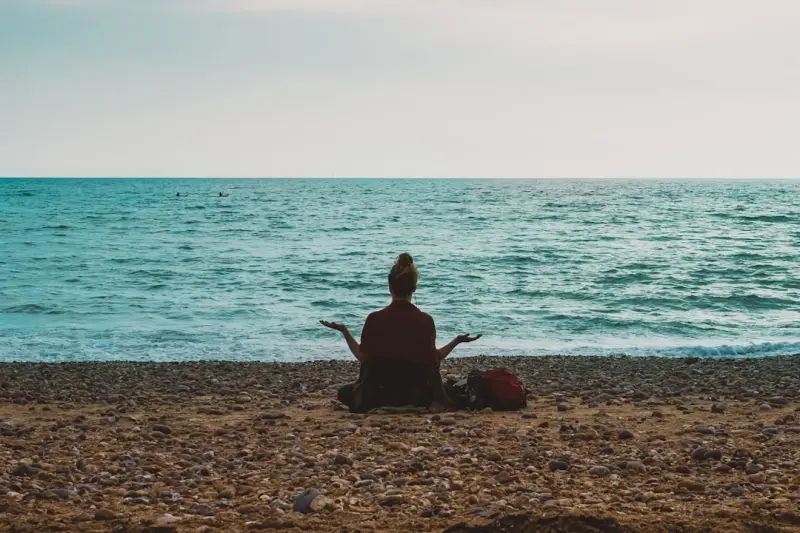
Rewiring Calm: How Simple Breathwork Can Transform Modern Health
A practical guide to integrating breathwork into daily life, showing how controlled breathing can ca... Read More
Top Posts

How Travel Turns Everyday Moments into Masterclasses in Communication
Learn to turn routine transit rides into powerful communication practice, turning ordinary moments into travel‑enhanced mastery....Read More

Cold Water Immersion: Unlocking Natural Resilience and Vitality
Explore the science behind cold water immersion and learn practical steps to safely integrate this ancient practice into modern life for immune, metabolic, and ...Read More

Colorful Healing: Transform Your Space into a Wellness Sanctuary
Discover the science behind color therapy and simple, actionable steps to integrate calming and energizing hues into your daily environment for improved mental ...Read More

From My Desk to Yours: Navigating the New Era of Employment
A fresh look at remote work trends, the hidden costs of home offices, and practical tips to design a cozy, productive workspace....Read More
0 Comments
Post Comment
You will need to Login or Register to comment on this post!