

Why Storytelling Matters for Mental Health
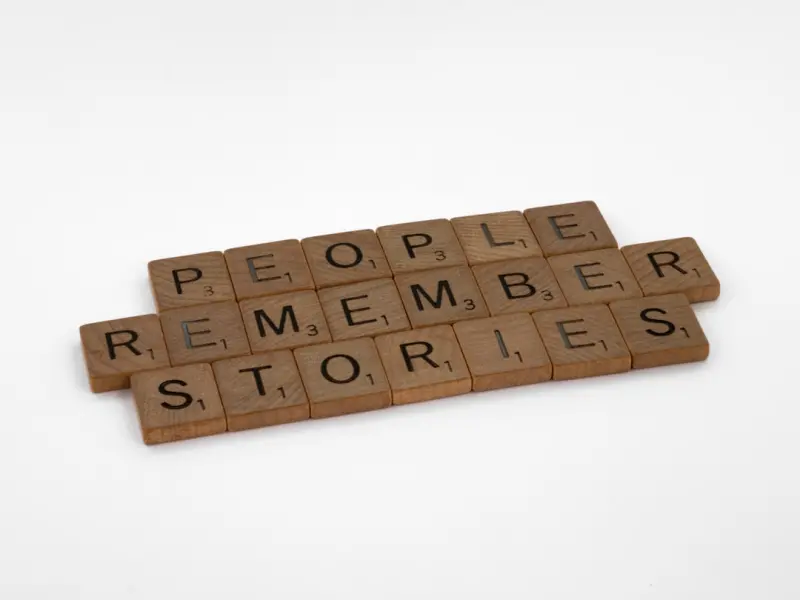
When we recount the events of our day, we are not merely sharing facts; we are actively shaping the emotional lens through which we view ourselves and the world. Storytelling becomes a silent therapist, allowing the brain to reorganize fragmented experiences into cohesive narratives that reduce anxiety and foster a sense of control. In my own practice, I have watched clients transform panic into curiosity simply by framing a stressful incident as a chapter that still has room for growth.
The Neuroscience Behind Narrative Healing
Research shows that the brain’s default mode network lights up when we construct stories, linking memory, emotion, and imagination in a way that raw data cannot. This neural choreography releases oxytocin and dopamine, chemicals that naturally combat stress and improve mood, while also reinforcing the pathways that support self‑compassion. Understanding this circuitry explains why a well‑crafted personal story can feel more soothing than a meditation timer.
From Observer to Author: Shifting Perspective
One of the most empowering shifts occurs when we move from being a passive observer of our thoughts to becoming the author of our inner script. By consciously choosing language that honors struggle without glorifying victimhood, we create a mental environment where setbacks are viewed as plot twists rather than fatal endings. This subtle re‑authoring has helped me navigate chronic burnout, turning each episode into a lesson that fuels future resilience.
Practical Techniques for Daily Narrative Work
Start each morning with a “story seed”: a single line that hints at an intention for the day, such as “I will greet uncertainty with curiosity.” By the evening, revisit that seed and expand it, noting obstacles and small victories, thereby turning a routine into a mini‑novel. These micro‑chapters accumulate, forming a personal archive that you can flip through during moments of doubt.
Writing Exercises That Rewire Emotional Patterns
Try the “future‑self letter” exercise: write a letter from the version of you five years ahead, describing how you overcame a current challenge. This forward‑focused narrative activates the brain’s planning centers, reducing the grip of present‑moment rumination. Another effective tool is the “dialogue rewrite,” where you script a compassionate conversation between you and a critical inner voice, turning judgment into constructive feedback.
Oral Storytelling: Harnessing Voice and Presence
Speaking your story aloud engages additional sensory pathways, reinforcing the neural imprint of the narrative. Gather a trusted friend or join a small storytelling circle, and share a recent emotional hurdle without seeking advice—just the act of verbalizing. The listener’s empathetic feedback often mirrors the brain’s own validation processes, amplifying the calming effect of the exercise.
Digital Storytelling and Community Connection
Online platforms can serve as modern campfires, where sharing personal anecdotes invites collective wisdom and reduces isolation. Curate a private blog or a closed‑group forum where members post weekly reflections, encouraging accountability and mutual support. The shared experience of vulnerability creates a social safety net that buffers stress, much like a supportive community in a physical setting.
Integrating Structured Daydreaming for Narrative Depth
When you allow your mind to wander intentionally, you give space for subconscious plotlines to surface. Structured daydreaming can be paired with storytelling by visualizing alternate outcomes to a real‑life conflict, then jotting down the most compelling version as a short vignette. This practice deepens emotional insight while keeping imagination grounded in therapeutic intent.
Rest, Reflection, and the Final Chapter
Even the most vivid story needs a pause; restorative practices like adaptive napping give the brain time to consolidate narrative memories and regulate mood. Pair a brief nap with a quick journal entry summarizing the night’s dream‑like reflections, and you’ll notice a smoother transition from subconscious reverie to conscious growth. By weaving storytelling into daily rhythms, you create a resilient mental narrative that can weather life’s inevitable plot twists.

Margaret Thomson is a seasoned freelance writer specializing in the dynamic worlds of marketing and advertising. With a career deeply rooted in the marketing field, Margaret brings a wealth of practical experience and insightful knowledge to her writing.
Related Posts
Storytelling at Work: How Narrative Boosts Mental Resilience
Explore practical narrative practices that turn everyday work tasks into stories, boosting emotional... Read More

Micro-Meditations: Tiny Shifts for Big Mental Gains
Micro‑meditations are brief, intentional pauses that can reset the nervous system, boost focus, an... Read More

The Power of Peer‑Powered Journaling: Turning Anonymous Sharing into Collective Resilience
Peer‑powered journaling transforms solitary writing into a collective safety net, offering anonymo... Read More
Top Posts

Moonlit Gardens: Creating Nighttime Sanctuaries at Home
Discover how to transform your backyard into a moonlit sanctuary with night‑blooming plants, subtle lighting, and eco‑friendly DIY projects that invite noct...Read More

AI as a Strategic Co‑Creator: Re‑Defining Decision‑Making in the Enterprise
This article reveals how AI can transition from a backstage assistant to a strategic co‑creator, outlining practical steps for leaders to embed AI into decisi...Read More

Night‑Time Skincare Meets Wearable Tech: A New Frontier
A data‑driven night‑time skincare routine that blends wearable insights, optimal environment, and targeted products to enhance sleep quality, skin health, a...Read More

Crafting a Cozy Home Library Corner
Learn to turn an overlooked corner into a warm, inviting home library nook with curated shelving, comfortable seating, layered lighting, and sustainable details...Read More
0 Comments
Post Comment
You will need to Login or Register to comment on this post!