
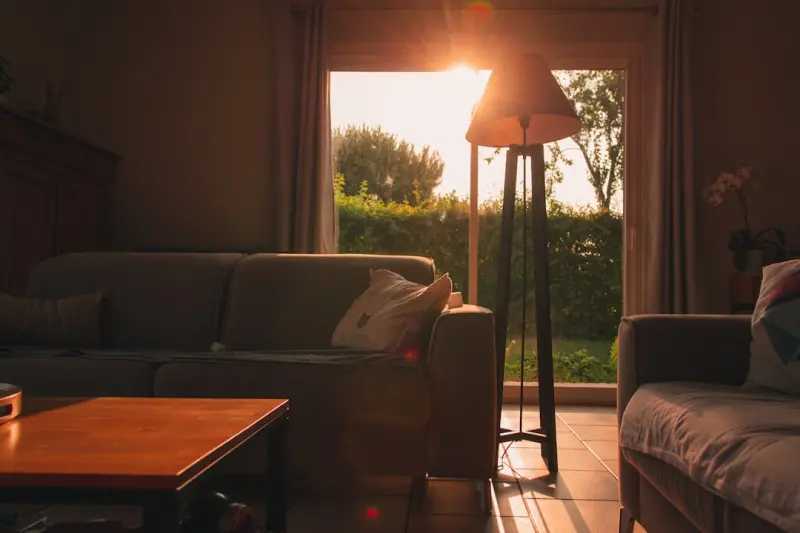
Let the Sun In: Transform Your Home with Light‑Smart Design
When I first moved into my downtown loft, I thought I’d already mastered the art of “home comfort.” I had a plush couch, a high‑end espresso machine, and a meticulously curated bookshelf. Yet, each morning I found myself reaching for the lamp switch before the sun had a chance to peek through the blinds. The space felt cramped, the energy bills were stubbornly high, and my mood swung like a pendulum between bright optimism and dim‑lit fatigue.
It was a simple realization that turned the whole narrative upside down: light is the most powerful, cost‑free piece of décor you own. Not just any light, but the quality, direction, and timing of natural sunlight that streams through your windows. By treating light as a design element rather than an afterthought, you can boost productivity, enhance wellbeing, and slash energy consumption—all without breaking the bank.
Why Light Deserves a Seat at the Design Table
Most home‑improvement guides focus on paint colors, furniture layouts, or the latest smart thermostat. Those are all valuable, but they miss a subtle yet profound factor: circadian rhythm alignment. Our bodies are hard‑wired to respond to the sun’s rise and set. When your home’s lighting mimics that natural rhythm, you’ll notice:
- Improved sleep quality – exposure to bright, cool light in the morning helps reset your internal clock, while warmer tones in the evening signal it’s time to wind down.
- Elevated mood – natural light stimulates serotonin production, the brain’s “feel‑good” chemical.
- Greater focus – studies show that well‑lit workspaces boost concentration and reduce eye strain.
- Lower utility bills – the more you can rely on daylight, the less you’ll need to crank up artificial lighting or heating.
If you’re skeptical, take a look at the Eco‑Smart Home Hacks post. It highlights how a few strategic tweaks can cascade into larger savings—and natural light is the keystone of that cascade.
Step 1: Map Your Light Landscape
Before you start buying blinds or rearranging furniture, you need a clear picture of how light behaves in each room. Grab a notebook and spend a day walking through your home at three key moments:
- Sunrise (6 – 9 am) – Note which rooms receive soft, diffused light. These are perfect for morning rituals like yoga, journaling, or coffee brewing.
- Midday (11 am – 2 pm) – Identify spaces that become glare‑heavy. These often need shading solutions to avoid visual discomfort.
- Evening (5 – 8 pm) – Observe where warm, amber tones linger. These zones are ideal for winding down, reading, or entertaining.
Sketch a quick floor plan and shade each area according to the dominant light quality (cool, neutral, warm). This visual map becomes your design blueprint, guiding every subsequent decision.
Step 2: Choose the Right Window Dressings
Window treatments are the unsung heroes of light control. The goal isn’t to block sunlight entirely but to modulate its intensity and hue throughout the day.
- Sheer curtains – Perfect for rooms that need a constant, gentle glow. They diffuse harsh rays while preserving privacy.
- Cellular (honeycomb) shades – Offer superior insulation, keeping heat out in summer and retaining warmth in winter. Pair them with a light‑filtering fabric for a balanced daylight influx.
- Motorized blackout blinds – Ideal for home offices or media rooms where you need complete control. Automation lets you program them to lower just before sunset, mimicking a natural dimming curve.
Remember the principle of “layering.” Combine a sheer panel with a cellular shade to create a versatile system that adapts to every phase of the day. The result is a space that feels airy yet functional—no more frantic reaching for the light switch.
Step 3: Reflect, Refract, and Amplify Light
Once you’ve tamed the incoming sunlight, the next challenge is to spread it where it’s needed most. This is where a few clever tricks can make a massive difference.
Mirrors as Light Multipliers
Strategically placing mirrors opposite windows can bounce light deeper into a room. A large, frameless mirror on the wall opposite a south‑facing window can double the perceived brightness without any electricity. If you’re a fan of art, opt for a mirrored gallery wall – you get both visual interest and functional illumination.
Light‑Reflecting Décor
Choose furniture and accessories in glossy or light‑colored finishes. A white marble coffee table, a polished chrome floor lamp, or a light‑hued rug can all act as subtle reflectors. Even a well‑placed glass vase filled with water will scatter sunlight in a gentle, kaleidoscopic pattern.
Transparent and Translucent Surfaces
Glass doors, acrylic shelving, and even frosted polycarbonate panels can transmit light while maintaining privacy. When used as room dividers, they preserve an open feel and allow sunlight to travel further.
Step 4: Harness the Power of Color
Color isn’t just an aesthetic choice; it influences how light is absorbed or reflected. Light‑colored walls (soft whites, warm beiges, muted pastels) bounce sunlight around, making spaces feel larger. Darker hues, while dramatic, absorb light and can make a room feel cramped if overused.
For a balanced approach, consider an accent wall in a richer shade, paired with lighter tones on the remaining walls. This creates a focal point without sacrificing overall brightness. If you love bold colors, try them on furnishings rather than the walls—so the walls stay light‑reflective.
Step 5: Integrate Smart Controls
Technology can augment natural light without turning your home into a gadget swamp. Here are three low‑maintenance upgrades:
- Smart dimmers – Replace traditional switches with dimmers that can be programmed to gradually increase light levels in the morning, simulating sunrise.
- Light sensors – Install occupancy‑based sensors that dim or turn off artificial lights when sufficient daylight is present.
- Automated blinds – Pair motorized blinds with a sunrise‑sunset schedule. This not only protects your interiors from UV damage but also ensures consistent light levels for your circadian rhythm.
These tools work seamlessly with the strategies outlined in the Micro‑Movement Mastery post, where the focus is on tiny, high‑impact adjustments that compound into big health benefits.
Step 6: Create Light‑Focused Micro‑Refuges
If you’re a fan of cozy nooks, consider designing micro‑refuge zones that capitalize on the sun’s path. A reading corner bathed in morning light, a meditation cushion positioned near a west‑facing window for evening sunsets, or a plant shelf that receives the perfect balance of direct and indirect light—all become intentional sanctuaries.
For deeper inspiration, see the Designing Micro‑Refuge Zones article, which walks you through the psychological benefits of these small, light‑rich spaces.
Step 7: Seasonal Adjustments – Light All Year Round
Seasons shift the sun’s angle and intensity, so your lighting strategy needs flexibility:
- Winter – Maximize exposure by keeping window treatments open during daylight hours. Add reflective surfaces to compensate for the lower sun angle.
- Summer – Use external shading devices like awnings, pergolas, or reflective film to block overheating while still allowing diffused light.
- Spring & Fall – These transitional periods are perfect for experimenting with different décor colors and mirror placements to find the sweet spot for comfort.
Seasonal tweaks don’t have to be permanent. Simple adjustments to blinds, curtains, or the positioning of reflective objects can keep your home bright, cozy, and energy‑efficient throughout the year.
Step 8: Embrace Light‑Centric Plant Life
Plants are natural light amplifiers. Their leaves reflect light, and the act of tending to them can reinforce a daily rhythm of sun exposure. Choose varieties that match the light levels of each room:
- High light – Succulents, cacti, and fiddle‑leaf figs thrive near south‑facing windows.
- Medium light – Snake plants, pothos, and ZZ plants flourish in indirect sunlight.
- Low light – Cast‑iron plants and philodendrons can survive in north‑facing spaces.
Beyond aesthetics, indoor plants improve air quality and boost mental health, making them a win‑win for any light‑smart design.
Step 9: Evaluate and Iterate
Design is an ongoing conversation with your environment. After implementing these strategies, spend a week observing how each room feels at different times. Ask yourself:
- Do I reach for the light switch less often?
- Is my energy bill showing a measurable dip?
- Do I feel more alert in the morning and more relaxed in the evening?
- Are my plants thriving?
Use the answers to fine‑tune window treatments, reposition mirrors, or adjust smart schedules. Small refinements can yield disproportionately large gains, echoing the core idea behind “tiny actions, big health gains.”
Final Thoughts: Light as the Unsung Hero of Home Comfort
When I finally let the sun dictate the rhythm of my home, the transformation was undeniable. Mornings felt brighter (literally and metaphorically), my evenings carried a natural, soothing glow, and the monthly utility statements began to look friendlier. Most importantly, the space began to feel less like a collection of objects and more like a living, breathing environment that supports my wellbeing.
So, the next time you walk into a room and instinctively reach for the switch, pause. Ask yourself: Can I coax more natural light into this space instead? The answer is often yes, and the journey to a lighter, healthier home is just a few thoughtful adjustments away.

Dale Peterson is a freelance writer with a passion for technology, travel, law and personal finance. With 10 years of experience crafting compelling and informative content, he's dedicated to delivering high-quality writing for Blogging Fusion that engages audiences and achieves specific goals.
Related Posts

Turn Your Home Into a Low‑Stress Power Hub
A step‑by‑step guide shows how to build a simple home dashboard that tracks energy use, temperat... Read More
Hidden Harmony: Simple Home Tweaks for Calm and Clarity
Learn how to turn overlooked corners into calming micro‑sanctuaries with affordable materials, aco... Read More

Invisible Storage Hacks: Turn Everyday Items into Hidden Organizers
Learn how to create invisible storage using simple household items, from magnetic strips and underâ€... Read More
Top Posts

When Play Becomes Therapy: Reclaiming Childhood Joy for Adult Mental Wellness
This article explores how integrating playful activities into daily routines can enhance mental health, improve focus, and build resilience, offering practical ...Read More

Unlocking Corporate Memory: AI‑Powered Knowledge Management for the Modern Enterprise
AI is reshaping knowledge management by turning fragmented data into a living, searchable asset. This post explores capture, curation, and activation strategies...Read More

The Art of Garden Soundscapes: Turning Your Yard into a Musical Sanctuary
Explore the new dimension of garden design by adding sound: from wind chimes to water features, learn how to craft a musical sanctuary that soothes and inspires...Read More

Turning Everyday Wins into Career Momentum
Learn to transform routine successes into powerful career narratives. Leverage internal project marketplaces, peer recognition, and data‑driven storytelling t...Read More
0 Comments
Post Comment
You will need to Login or Register to comment on this post!