

Ever walked into your living room after a long day and felt an instant “meh” vibe? I’ve been there—standing in the doorway, shoes still on, and the space just didn’t feel like a sanctuary. Over the past few years I’ve turned my home into a low‑maintenance, high‑comfort haven, and I’ve learned that the biggest transformations often come from the tiniest, most overlooked tweaks. In this post I’m pulling back the curtain on the hidden power of everyday home adjustments that can boost comfort, slash utility bills, and even lift your mood without a full‑blown renovation.
1. Re‑think Your Entryway as a Transition Zone
The entryway is the first impression your home makes on you and anyone else who steps inside. Yet many of us treat it like a hallway dump‑zone for shoes, bags, and random mail. By adding a few purposeful elements, you can turn that space into a calming buffer that eases the mind‑body shift from outside hustle to indoor relaxation.
- Layered Storage: Install a slim bench with built-in cubbies. It offers a place to sit while slipping on shoes, and the cubbies keep umbrellas, scarves, and pet leashes neatly out of sight.
- Soft Lighting: Swap harsh overhead bulbs for a warm, dimmable pendant or a pair of wall sconces. Light that mimics sunrise or sunset cues the brain to unwind.
- Functional Decor: A small tray for keys, a decorative bowl for loose change, and a scent diffuser (think citrus or lavender) create a multisensory welcome.
These tweaks cost under $100 and can be assembled in an afternoon. The result? A smoother mental transition, less clutter, and a mini‑ritual that signals it’s time to relax.
2. Master the Art of Passive Cooling
Air‑conditioning is a massive expense, especially when you live in a climate that swings between hot days and cool nights. Before you hit “max” on the thermostat, explore passive cooling methods that require little effort but deliver noticeable temperature drops.
- Cross‑Ventilation: Open opposite windows or a front door and a back window to create a natural breeze. Adding a simple smart lighting hack—like a motion‑sensor fan—can amplify airflow exactly when you need it.
- Thermal Curtains: Heavy drapes on the sunny side of the house block heat gain. Open them at night to let cooler air in, then close them in the morning to trap that chill.
- Reflective Window Film: A low‑cost adhesive film reflects solar radiation, keeping interiors up to 15°F cooler without darkening the room.
Combine two of these methods and you’ll often find yourself reaching for the thermostat less, cutting monthly electricity bills by 10‑15%.
3. Optimize Your Home’s Acoustic Landscape
Sound is the invisible element that shapes how we experience space. Whether you’re working from home, cooking, or simply unwinding, unwanted echo or street noise can sap energy and concentration. Here’s how to sculpt a quieter, more pleasant acoustic environment without installing expensive panels.
- Soft Surfaces: Add a plush rug, heavy curtains, and upholstered furniture. These absorb sound waves and reduce reverberation.
- Strategic Bookcases: Filled bookshelves act as natural sound dampeners. Even a row of decorative objects can break up sound reflections.
- DIY Acoustic Panels: Frame canvas stretched over dense foam and hang them as art. Choose colors that match your décor for a seamless look.
After a few weeks of these changes, many of my friends reported feeling “more focused” during video calls and “less fatigued” after a day of household chores.
4. Leverage Everyday Items for Hidden Storage
Space scarcity is a common headache, but you don’t need custom-built closets to reclaim square footage. The trick is to think vertically and repurpose items you already own.
- Over‑Door Racks: Hang a shoe or pantry rack on bedroom, bathroom, or pantry doors for extra slots for accessories, cleaning supplies, or snacks.
- Under‑Bed Bins: Use low‑profile rolling containers for seasonal clothing, extra linens, or even kids’ toys. Label each bin to avoid rummaging.
- Magnetic Strips: Mount a metal strip inside cabinet doors for metal kitchen tools, beauty products, or small hardware.
The beauty of these solutions is that they’re reversible—ideal for renters or anyone who likes to change things up seasonally.
5. Introduce Micro‑Rituals for Energy Management
Ever notice how a short pause can reset your mood? The concept of micro‑meditations has already proven its value for mental health, but you can extend that principle to your home’s energy flow.
- Three‑Minute Light Reset: Before you start a new activity, turn off all lights, wait 30 seconds, then switch on the lamp you’ll use for that task. This tiny act signals your brain to shift gears.
- Water Breaks: Set a timer to pause every hour and sip a glass of water. It reminds you to stand, stretch, and hydrate—boosting circulation and mental clarity.
- Quick Declutter Sprint: Spend two minutes at the end of the day putting away items that have strayed from their homes. It’s a fast way to reduce visual noise and prepare for restful sleep.
If you’re curious about the science behind these pauses, check out this article on micro‑meditations. The same principles apply to physical spaces, helping you feel more grounded and energized throughout the day.
6. Harness the Power of Scent to Influence Mood
Smell is a direct line to the limbic system—the brain’s emotional center. By strategically placing natural aromas, you can create zones that either invigorate or calm you.
- Citrus in Work Areas: Lemon or orange essential oils boost alertness. A small diffuser on your desk can replace the need for an extra cup of coffee.
- Lavender in Bedrooms: Known for its soothing properties, lavender can improve sleep quality. A few drops on a cotton ball under the pillow works wonders.
- Herbs in the Kitchen: Fresh rosemary or basil placed in a small pot not only adds flavor to dishes but also releases subtle, refreshing scents while cooking.
These are low‑maintenance options—most essential oils last weeks, and herbs need only occasional watering.
7. Upgrade Your Water Usage with Simple Fixes
Water bills can be surprisingly high, especially if you have older fixtures. Small upgrades can lead to substantial savings.
- Low‑Flow Aerators: Snap these onto faucets to reduce flow without sacrificing pressure. They typically cost $5‑$10 each.
- Shower Timers: A 5‑minute timer reminds you to keep showers short. You’ll save water and reduce heating costs.
- Leak Detection: Use a simple dye test on toilets. Add a few drops of food coloring to the tank; if color appears in the bowl without flushing, you have a leak.
Implementing these fixes can trim your water bill by up to 20%, and the environmental impact feels good too.
8. Create a Flexible “Third Space” for Hobbies
With remote work becoming the norm, many households lack a dedicated area for creative pursuits or relaxation that’s separate from the bedroom and living room. Design a “third space” that can morph between a reading nook, art studio, or yoga corner.
- Modular Furniture: A small, movable ottoman can serve as a seat, footrest, or low table.
- Fold‑Down Wall Desk: When not in use, it folds flat, preserving floor space.
- Portable Divider: A lightweight screen creates visual separation without permanent walls.
This setup encourages you to step away from the main work area, fostering mental reset and boosting creativity.
9. Tame the “Tech Jungle” with Cable Management
We all love our gadgets, but tangled cords create visual clutter that can raise stress levels. A clean, organized tech station improves focus and safety.
- Velcro Straps: Group cords by device and secure them with reusable velcro.
- Cable Boxes: Hide power strips and excess length inside decorative boxes.
- Labeling: Use a label maker or simple tags to identify each cord—makes troubleshooting a breeze.
Spend an hour on this, and you’ll instantly feel a sense of order that extends to other parts of your home.
10. Seasonal Refresh: Rotate Décor to Match Mood
Our surroundings heavily influence our emotional states. By rotating décor items seasonally, you can align your home’s aesthetic with the natural rhythm of the year.
- Spring: Light fabrics, pastel cushions, and fresh flowers.
- Summer: Bright throw pillows, breezy curtains, and citrus scents.
- Fall: Warm blankets, earthy tones, and spice-infused candles.
- Winter: Cozy throws, soft lighting, and pine or cedar aromas.
This practice doesn’t require buying new items—simply store off‑season pieces in labeled bins and swap them out as the months change. The subtle shift in ambiance can lift spirits and keep your environment feeling new.
Putting It All Together: A 30‑Day Home Upgrade Challenge
Feeling overwhelmed? Here’s a simple roadmap to integrate these tips without turning your life upside down.
- Day 1‑5: Tackle the entryway. Add a bench, swap lighting, and introduce a scent diffuser.
- Day 6‑10: Implement passive cooling tricks—install a window film, test cross‑ventilation, and hang thermal curtains.
- Day 11‑15: Focus on acoustics. Place a rug, add a bookshelf, and try a DIY panel.
- Day 16‑20: Introduce hidden storage solutions—over‑door racks and under‑bed bins.
- Day 21‑25: Start micro‑rituals and scent zones. Set timers for light resets and place essential oil diffusers.
- Day 26‑30: Upgrade water fixtures, organize cables, and set up your flexible third space.
At the end of the month, you’ll have a home that feels intentional, comfortable, and efficient—all without breaking the bank.
Remember, the goal isn’t to overhaul everything at once but to adopt a mindset of continual, incremental improvement. Small wins compound, turning an ordinary house into a sanctuary that supports your wellbeing, productivity, and financial health.

Sanji Patel has dedicated 25 years to the SEO industry. As an expert SEO consultant for news publishers, he emphasizes providing both technical and editorial SEO services to news publishers worldwide. He frequently speaks at conferences and events globally and offers annual guest lectures at local universities.
Related Posts
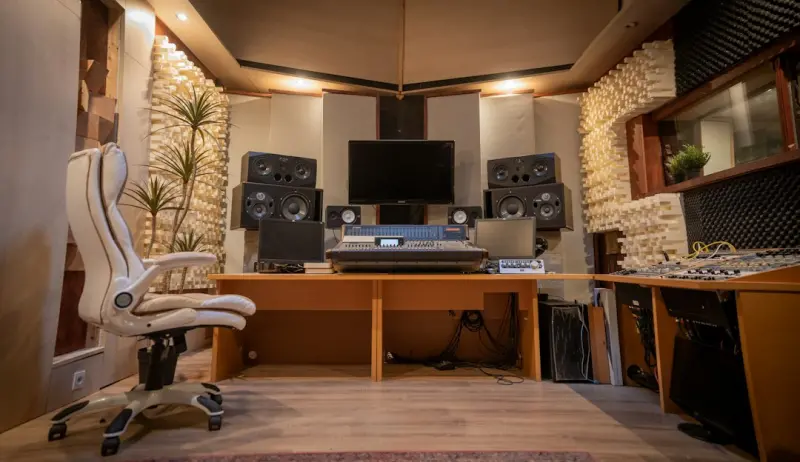
Budget-Friendly Acoustic Upgrades for a Peaceful Home Office
Discover practical, low‑cost ways to tame noise in your home office, using rugs, curtains, DIY pan... Read More

Turn Your Home Into a Low‑Stress Power Hub
A step‑by‑step guide shows how to build a simple home dashboard that tracks energy use, temperat... Read More

Revamp Your Home for Calm, Efficiency, and Joy
A practical guide using modular storage, scent cues, and rhythmic programming to turn any home into ... Read More
Top Posts

From Ladder to Map: Crafting Dynamic Career Paths in Modern Workplaces
Traditional career ladders are losing relevance. This post introduces dynamic skill maps—a flexible, data‑driven framework that aligns personal growth with ...Read More
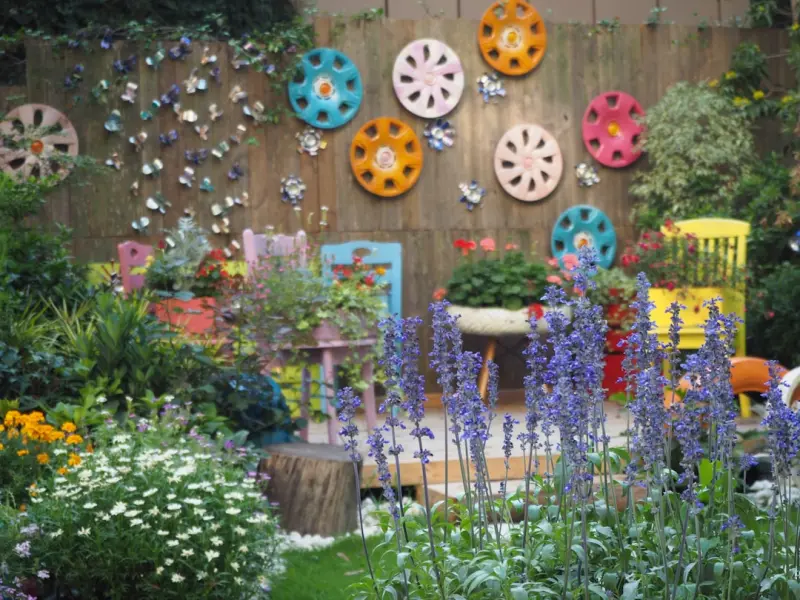
Designing a Year‑Round Sensory Garden That Feeds the Soul
Discover how to craft a multi‑season sensory garden that engages the senses, supports mental calm, and adds lasting beauty to your home, with practical tips a...Read More

Regenerative Travel: Turning Vacations into Ecological Healing
Regenerative travel goes beyond sustainability by actively restoring ecosystems and empowering local communities. Learn how to design trips that leave places be...Read More

Pop‑Up Passports: Co‑Creating Travel Moments on the Fly
Learn how the “pop‑up passport” approach transforms trips into co‑created experiences, using simple tools, local partnerships, and technology to craft l...Read More
0 Comments
Post Comment
You will need to Login or Register to comment on this post!