
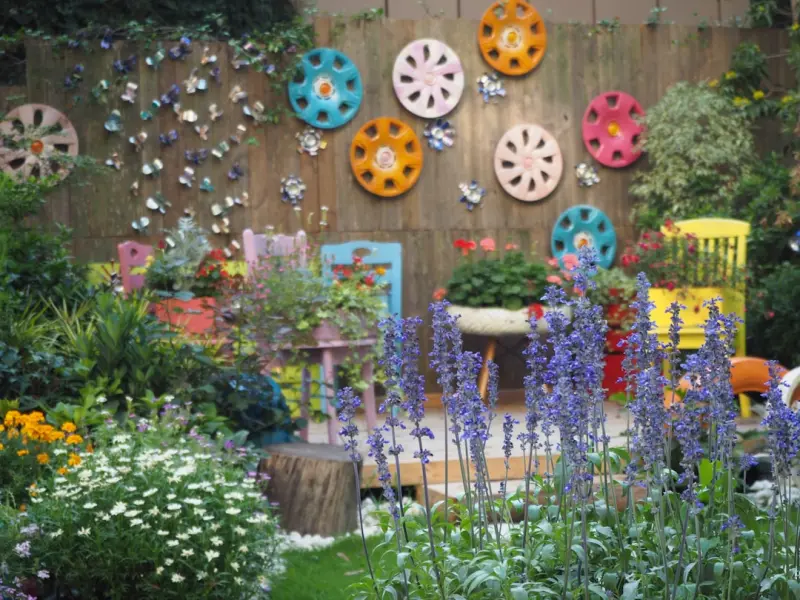
Why a Sensory Garden Deserves a Spot in Your Home Landscape
When I first stepped onto my grandmother’s backyard, the chorus of rustling leaves, fragrant herbs, and soft moss underfoot reminded me that gardens are more than visual art—they’re immersive experiences for every sense. A year‑round sensory garden invites you to engage sight, smell, touch, and even sound, creating a sanctuary that nurtures mental calm and physical well‑being throughout the seasons. Unlike a traditional ornamental garden that dazzles only when the sun is shining, a sensory garden thrives in winter frost, summer heat, and everything in between, offering textured foliage, aromatic evergreens, and wind‑chime melodies that linger long after you’ve left. By designing with the senses in mind, you turn a patch of soil into a living therapy room, where each stroll feels like a gentle reset button for the mind.
Finding the Perfect Canvas: Site Selection and Microclimate Awareness
Before you plant the first seed, walk the perimeter of your property and tune into the microclimates hidden within—sun‑kissed corners, shaded nooks, wind‑swept edges, and damp low spots. I spent weeks observing how light shifted from dawn to dusk, noting where morning sun lingered for a fleeting hour and where shadows clung well into the afternoon. These observations guide the placement of sensory elements: bright, heat‑loving blooms for sunny patches, fragrant winter‑green shrubs for shaded retreats, and low‑lying grasses that sway softly in breezes. By matching plants to their micro‑environment, you reduce maintenance, conserve water, and ensure each zone delivers its intended sensory payoff. A simple trick I love is using a garden journal to map these zones, sketching sun paths and wind directions, which later becomes a reference for strategic planting decisions.
Texture as a Design Tool: Choosing Plants That Invite Touch
Texture is the silent language of a sensory garden, encouraging visitors to linger and explore with their hands. Think of velvety lamb’s ear, feathery ornamental grasses, and the rugged bark of dwarf conifers—each offers a distinct tactile invitation. I often arrange contrasting textures side by side: a cluster of soft, silvery foliage beside a rugged, bronze‑hued shrub, creating a dialogue that rewards curious fingertips. Seasonal interest matters, too; spring brings the delicate fuzz of new growth, while winter reveals the crisp, sculptural forms of evergreen needles. For families with children, incorporating hardy, non‑toxic plants like rosemary or thyme invites playful exploration, turning the garden into an outdoor classroom where learning happens through touch.
Scent Strategies: Layering Aromas for Year‑Round Fragrance
A garden that smells good only in summer is a missed opportunity; the trick is to layer plants that release scent at different times of the year. I start with evergreen aromatics—lavender, winter sage, and pine—that emit subtle fragrances even when the temperature drops. Summer brings the heady perfume of jasmine and gardenias, while autumn’s cool air amplifies the sweet spice of cinnamon‑scented rosemary. By placing scented plants at varying heights—ground‑cover herbs near footpaths, mid‑level shrubs along garden walls, and tall, flowering vines overhead—you create a vertical scent journey that unfolds as you move through the space. A little secret I use is planting scented grasses like sweet vernal, whose delicate seed heads release a honeyed aroma when brushed by a breeze.
Soundscapes Without Electronics: Harnessing Natural Melodies
While many gardeners turn to wind chimes or water features, the most authentic garden soundtrack arises from nature itself. I strategically place hollow bamboo stalks that emit a soft rustle when wind passes through, and I incorporate water‑loving plants like ornamental watercress beside a modest, recirculating pebble basin that gurgles gently. Bird‑attracting flora—such as sunflowers, coneflowers, and feeder stations—invite avian choruses that vary with the seasons, providing a dynamic, ever‑changing soundtrack. Even the rhythmic crackle of dry mulch underfoot can be a comforting auditory cue, reminding you of the garden’s living presence. By designing for natural sound, you create a sanctuary that soothes without the need for batteries or speakers.
Seasonal Color Palettes: Maintaining Visual Interest Year After Year
Visual appeal is the most immediate draw of any garden, but a sensory garden must sustain its allure across all four seasons. I start with a foundation of evergreen foliage—chartreuse variegated hostas, deep‑purple heucheras, and chartreuse-tinged rosemary—that provide a constant backdrop. Spring bursts forth with pastel crocuses and bright yellow daffodils, while summer adds saturated hues from dahlias and lantanas. Autumn transforms the palette with fiery foliage of Japanese maples and copper‑toned ornamental peppers. Finally, winter offers structural interest through the sculptural forms of birch bark and the soft glow of frosted berries. By planning a rotating color sequence, you ensure the garden never feels dormant, encouraging repeat visits and ongoing inspiration.
Integrating Functional Spaces: Seating, Pathways, and Quiet Corners
A sensory garden is meant to be lived in, not just admired from a distance. I carve out winding, low‑moss‑covered pathways that guide visitors on a gentle promenade, allowing them to encounter each sensory element in a deliberate order. Along these routes, I place reclaimed wooden benches and weathered stone seats, positioned to face fragrant herb beds or the gentle murmur of a small stream. These quiet corners become ideal spots for meditation, reading, or simply sipping tea while inhaling rosemary‑laden air. By intertwining functional spaces with sensory plantings, you create a cohesive environment where utility and experience enhance each other, turning the garden into a true extension of your living room.
Low‑Maintenance Practices: Keeping the Garden Alive Without Overwork
One of the biggest barriers to a thriving sensory garden is the fear of constant upkeep. To combat this, I employ mulching techniques—using shredded bark, straw, and compost—to retain moisture, suppress weeds, and gradually enrich the soil. Drip irrigation systems, concealed beneath mulch, deliver water directly to the root zones, reducing evaporation and saving time. I also choose native, drought‑tolerant species that adapt to local conditions, cutting down on fertilization needs. For those who love a tech‑savvy approach, exploring digital garden planning tools can streamline maintenance schedules and remind you when it’s time to prune or fertilize, making garden care feel less like a chore and more like a mindful ritual.
Connecting Indoor and Outdoor: Extending Sensory Experiences Inside
The boundary between house and garden should blur, allowing the sensory garden’s benefits to flow indoors. I install large, floor‑to‑ceiling windows that frame the most fragrant herb beds, letting scent drift into the kitchen as you cook. Interior planters featuring the same aromatic species—like lavender, mint, and sage—create a continuous thread of scent and texture throughout your living spaces. For a subtle visual link, I use reclaimed wood from garden structures to craft indoor furniture, reinforcing the organic aesthetic. If you’re looking for inspiration on merging indoor and outdoor elements, check out nature‑infused home ideas that illustrate how to seamlessly bring garden vibes inside the house.
Encouraging Playful Interaction: Activities That Deepen the Sensory Bond
A garden that invites playful interaction becomes a source of joy for the whole family. I set up seasonal scavenger hunts that challenge children to locate textures like “soft as a cloud” or scents like “sweet as honey,” turning learning into a game. Additionally, I host “garden art nights” where participants press aromatic petals into homemade inks or create fragrant sachets using dried lavender and rosemary. These activities not only deepen the sensory connection but also foster a sense of ownership and stewardship among younger gardeners. For further ideas on turning garden time into a therapeutic play session, explore playful garden activities that blend creativity with nature’s calming influence.

Tyler Johnson is a seasoned freelance writer with a keen eye for detail and a passion for crafting compelling narratives. His years of experience have honed his ability to adapt his style to suit diverse client needs and project requirements.
Related Posts

Harvesting Home Harmony: DIY Rainwater Systems for Thriving Gardens
Learn to capture and use rainwater for a resilient garden, from calculating needs to installing filt... Read More
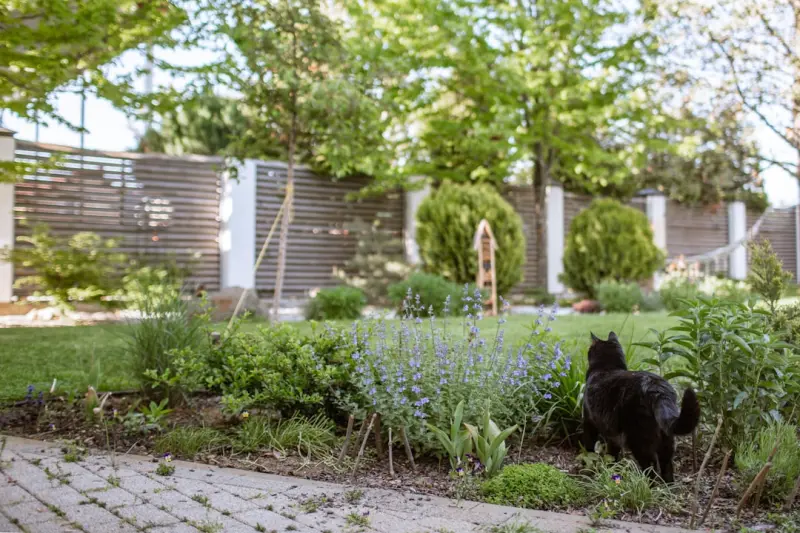
Elevate City Living with a Rooftop Herb Garden
Turn your under‑used rooftop into a fragrant herb haven. Learn practical steps, plant picks, and d... Read More

Let the Sun In: Mastering Indoor Light for a Thriving Home Garden
A step‑by‑step guide shows how to measure, match, and enhance indoor sunlight, turning any windo... Read More
Top Posts
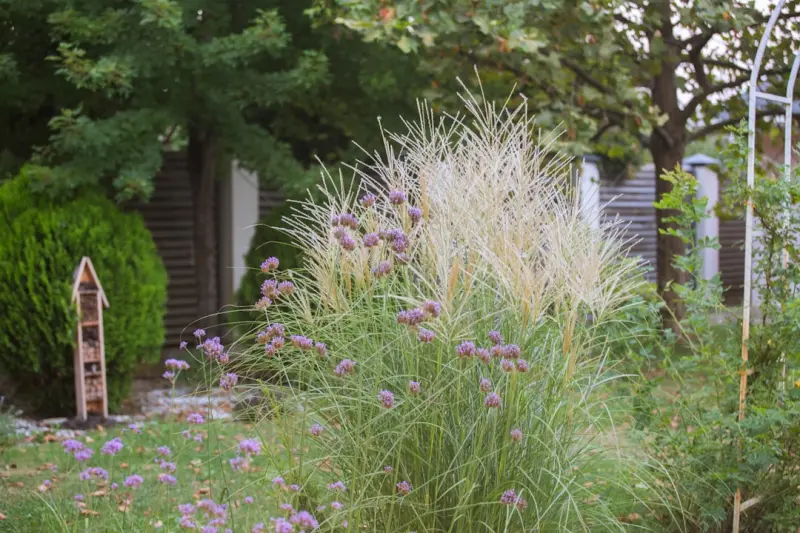
Reviving Your Backyard: Harnessing the Power of Native Plants
Learn how to create a thriving, low‑maintenance backyard using native plants, smart watering, and upcycled materials, while supporting local wildlife and redu...Read More

Smart Skincare: Wearables That Personalize Your Beauty Routine
Wearable devices now translate biometric data into personalized grooming advice, merging technology, sustainability, and mindfulness for a smarter, waste‑free...Read More
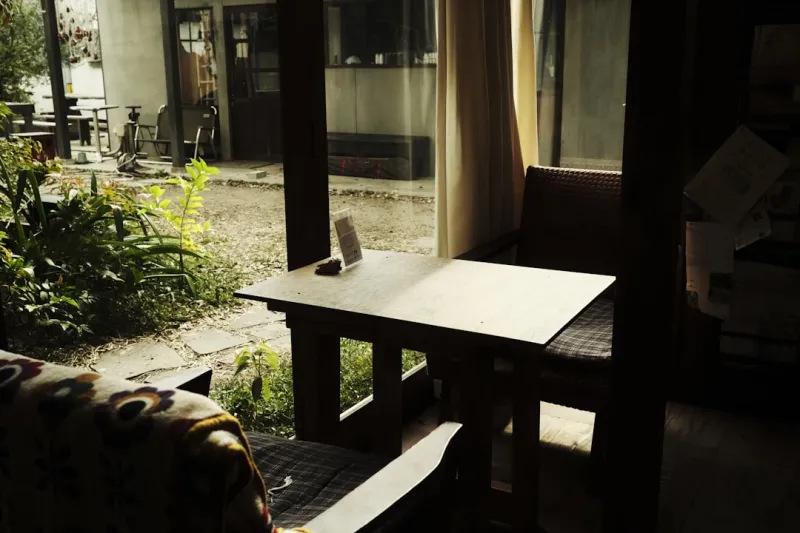
From Lawn to Laptop: The Garden Desk Trend That's Boosting Home Life
A garden desk isn’t just a piece of furniture—it's a lifestyle upgrade that merges outdoor bliss with work efficiency, turning any backyard into a personal ...Read More
How My Garden Desk Became the Ultimate Home & Garden Upgrade in 2026
From sunrise brainstorming to evening sunsets, my garden desk transformed work and wellness, proving that a simple outdoor setup can be the secret weapon for a ...Read More
0 Comments
Post Comment
You will need to Login or Register to comment on this post!