
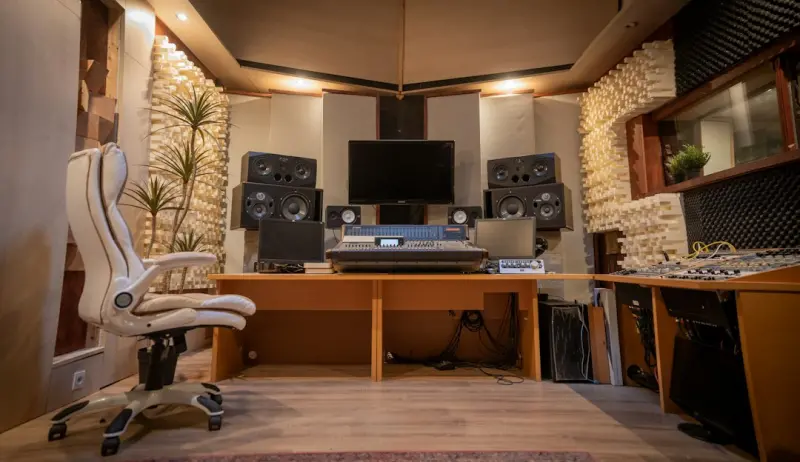
When the line between work and home blurs, the soundscape of your living space becomes a silent partner—or a loud adversary. A clacking keyboard, street traffic, or the hum of a refrigerator can chip away at focus, raising stress levels and draining creativity. The good news? You don’t need a contractor or a hefty budget to reclaim acoustic calm. Below, I walk you through practical, wallet‑friendly strategies that turn any room into a haven for deep work, video calls, and quiet moments of reflection.
Why Sound Matters More Than You Think
Acoustic comfort isn’t just about “quiet.” It’s about control. When unwanted noise is tamed, your brain can allocate more resources to the task at hand, boosting productivity and reducing cognitive fatigue. Studies show that even low‑level background chatter can impair reading comprehension and decision‑making. In a home office, where distractions are already abundant, mastering sound is a game‑changer.
Start With a Simple Noise Audit
Before buying anything, take a 10‑minute “listening tour.” Sit where you normally work and note:
- Dominant noise sources (traffic, appliances, neighbors)
- Times of day when noise peaks
- Surfaces that echo (hard floors, bare walls)
Jot these observations in a notebook or a phone app. This audit will guide you toward the most effective, targeted fixes.
Floor Coverings: The Unsung Heroes
Hard wood or tile floors act like sound mirrors, sending noise back into the room. A thick area rug, especially with a dense underlay, absorbs footfall and reduces reverberation dramatically. Look for rugs made of natural fibers like wool; they’re both plush and effective at dampening mid‑frequency sounds. If aesthetics matter, choose a pattern that complements your décor—your ears will thank you regardless.
Window Treatments Double as Sound Barriers
Windows are often the most leaky points in a home’s acoustic envelope. Heavy curtains or blackout drapes, preferably with a layered backing, can cut incoming traffic noise by up to 30 %. For an extra boost, consider adding a decorative tapestry or a sound‑absorbing panel that doubles as wall art.
Furniture Placement: Turn Soft Surfaces Into Sound Sinks
Bookshelves packed with books, upholstered chairs, and even a well‑placed couch act as natural absorbers. Position a filled bookshelf against a wall that faces the street; the rows of paper act like a porous barrier, diffusing sound waves before they enter the room. If space is tight, a slim, floor‑to‑ceiling shelving unit can serve the same purpose without crowding your workspace.
DIY Acoustic Panels: Affordable and Stylish
Professional acoustic panels can be pricey, but you can craft your own for a fraction of the cost:
- Materials: Purchase 2‑in‑inch acoustic foam or dense fiberglass panels from a hardware store.
- Cover: Wrap each panel in breathable fabric (muslin or burlap works well) to blend with your interior style.
- Mount: Use removable adhesive strips or picture‑hanging hooks to attach panels at ear level on the wall behind your monitor.
Even a handful of these panels can slash echo by 40 % and make voice calls sound clearer.
Seal the Gaps: Tiny Leaks, Big Noise
Air leaks around doors, windows, and baseboards can let in external noise. Apply weatherstripping tape or foam gaskets to door frames, and use a silicone caulk to seal cracks in walls. These tiny fixes are cheap, easy, and often overlooked.
Plants: Green Buffers with a Dual Purpose
Large leafy plants aren’t just décor; they act as natural sound diffusers. A tall ficus or a row of snake plants can break up sound pathways and add a breath of fresh air. Pair them with a smart lighting solution to create a calming ambiance that supports both visual and auditory comfort.
White Noise and Sound Masking
If you can’t eliminate external noise, mask it. A low‑volume white‑noise machine, a fan, or a softly playing nature soundtrack can drown out sudden interruptions. For a tech‑savvy twist, use a smartphone app that offers customizable soundscapes—rain, coffee shop chatter, or gentle wind—all designed to keep your brain in a steady “focus” state.
Headphones vs. Speakers: Choose Wisely
When you need absolute isolation, over‑ear noise‑cancelling headphones are a solid investment. However, if you prefer to stay aware of your environment (for kids, pets, or occasional visitors), opt for earbuds with ambient mode. The key is to select a pair that offers both passive isolation (tight seal) and active noise cancellation for low‑frequency hums.
Integrate Acoustic Upgrades With Desk Organization
Clutter can amplify sound by creating hard, reflective surfaces. Streamline your workstation with thoughtful organization. If you’re looking for a fresh approach, check out desk color organization tips that not only brighten your space but also help break up visual noise, indirectly supporting a quieter mental environment.
Smart Lighting Synergy
While our focus is sound, lighting plays a subtle role in perceived acoustic comfort. A dim, warm glow reduces the brain’s alertness to background noise, making a space feel cozier. Pair your smart lighting with timers that dim the lights during deep‑work sessions; the reduced visual stimulation helps your ears focus on the task instead of the surrounding chatter.
Budget Breakdown: What Costs What?
| Item | Average Cost | Impact on Noise Reduction |
|---|---|---|
| Thick area rug (8×10 ft) | $80‑$150 | High (floor reflections) |
| Heavy blackout curtains | $60‑$120 | Medium‑High (window noise) |
| DIY acoustic panels (4 pcs) | $40‑$70 | Medium (echo control) |
| Weatherstripping kit | $15‑$25 | Low‑Medium (leak sealing) |
| Large indoor plant | $30‑$80 | Low (diffusion) |
| White‑noise machine | $25‑$45 | Medium (masking) |
Putting It All Together: A Step‑by‑Step Plan
- Audit your space and list dominant noise sources.
- Floor: Lay down a dense rug in the work area.
- Windows: Hang blackout curtains and seal any gaps.
- Walls: Install 2‑3 DIY acoustic panels at ear level.
- Furniture: Add a bookshelf or upholstered chair opposite the noise source.
- Plants: Position a tall leafy plant near the work zone.
- Mask: Deploy a white‑noise machine set to a low volume.
- Organize: Apply desk color organization tips to reduce visual clutter.
- Light: Use smart lighting to set a calming, low‑intensity ambiance during focus periods.
- Maintain: Re‑assess monthly; adjust panels or add new rugs as needed.
Beyond the Office: Extending Acoustic Comfort to Shared Spaces
If you share your home with family members, consider extending some of these tactics to communal areas. A rug in the living room, strategic furniture placement, and soft lighting can create a universally quieter environment, benefiting everyone from remote workers to kids doing homework.
Final Thoughts: Acoustic Wellness as a Habit
Just as you schedule a coffee break or a stretch routine, treat acoustic optimization as a recurring habit. A quick weekly check—“Are my curtains still covering the window? Is the rug shifted?”—keeps your space in top shape without a major overhaul. Over time, you’ll notice sharper focus, smoother video calls, and a calmer mind—proof that sound, when managed well, can be a silent catalyst for productivity.

David Moore is a freelance writer specializing in two dynamic and ever-evolving fields: gambling and the tech industry. With a keen eye for detail and a knack for unraveling complex topics, David delivers insightful and engaging content that keeps readers informed and entertained.
Related Posts
Dynamic Zoning: Transform Every Room into a Flexible Work, Rest, and Play Space
Learn to reshape your home’s rooms into adaptable zones that boost productivity, comfort, and funâ... Read More
Hidden Harmony: Simple Home Tweaks for Calm and Clarity
Learn how to turn overlooked corners into calming micro‑sanctuaries with affordable materials, aco... Read More
Scent‑Smart Living: How to Curate a Rotating Home Aroma Experience
Discover a step‑by‑step guide to creating a purposeful home fragrance routine using natural ingr... Read More
Top Posts

How My Garden Desk Revitalized My Home & Garden Sanctuary
A personal journey reveals how a garden desk blends work, nature, and sustainability, turning a backyard into a productive oasis and redefining modern home life...Read More

Turning Wanderlust into a Personal Growth Engine
Learn to reframe travel as a purposeful growth journey, using goal‑oriented planning, on‑the‑road learning, and reflective habits that extend beyond the t...Read More

The Serendipity Method: Turning Every Trip into a Creative Spark
Travel isn’t just about hitting landmarks; it’s about inviting the unexpected. Learn the Serendipity Method—a set of habits that turn unplanned moments in...Read More

Garden Desk Oasis: Turning Your Backyard into a Productivity Haven
Turn your backyard into a garden desk oasis and boost productivity, wellness, and home life with design tips, tech tricks, and seasonal adaptations....Read More
0 Comments
Post Comment
You will need to Login or Register to comment on this post!