
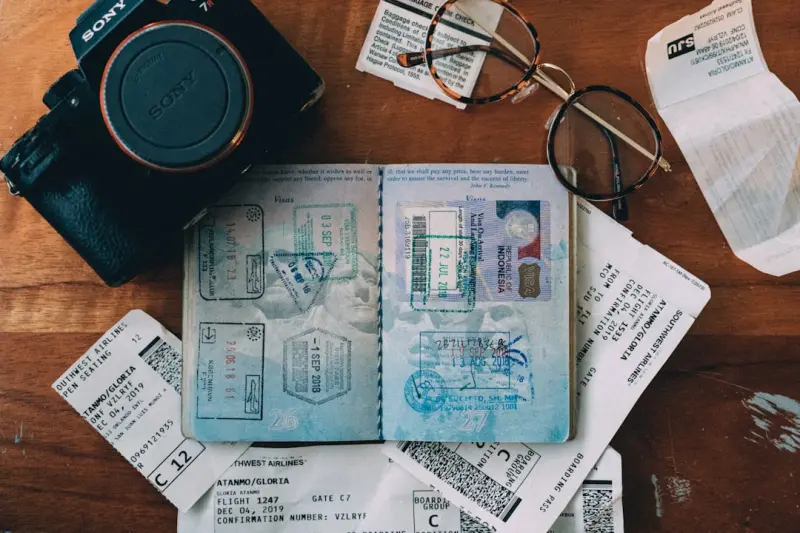
When I first stepped off a cramped bus in a town I’d never heard of, clutching a notebook and a half‑filled itinerary, I realized I was craving something beyond the typical “check‑off‑the‑list” vacation. I wanted my travel to feel less like a series of predetermined stops and more like a living conversation with the places I visited. That epiphany sparked an experiment I now call the “pop‑up passport” – a mindset that treats every destination as a blank canvas where I can co‑create experiences with locals, fellow travelers, and even the spaces themselves.
The Birth of a Pop‑Up Passport
My career in consulting taught me the power of rapid, focused sprints: short, intense bursts of activity that deliver tangible outcomes. Yet, on a personal level, I found those structured bursts limiting when it came to wandering. I craved spontaneity, but I also wanted my trips to leave a measurable imprint on my growth. The solution? Blend the sprint mentality with the fluidity of travel, but without the rigid “mini‑escape” framework that many articles champion.
Enter the pop‑up passport. Instead of mapping out every museum and restaurant months in advance, I draft a loose framework: a theme (food, art, community), a handful of anchor points (a coworking hub, a community garden, a local market), and a commitment to spend at least half of my time building something on the spot – a workshop, a pop‑up dinner, a street‑art collaboration, or even a tiny pop‑up library of shared books.
Why Co‑Creation Beats Consumption
Traditional tourism often feels like consumption: you arrive, you consume the sights, you depart, and the place remains largely unchanged. Co‑creation flips that script. By inviting locals to join you in building a fleeting event, you transform yourself from a passive observer into an active participant. The benefits are three‑fold:
- Authentic Connection: Shared labor or creativity creates bonds that outlast a simple selfie.
- Lasting Impact: Even a one‑day pop‑up can leave a ripple – a new community board, a fresh mural, or a seed‑exchange that continues after you leave.
- Personal Growth: The process forces you to adapt, negotiate, and communicate in real time, sharpening skills that no conference can teach.
Finding the Right Canvas
Every city offers its own set of micro‑spaces ripe for pop‑up projects. Here’s how I scout them:
- Community Hubs: Look for co‑working spaces, libraries, or cultural centers that host “open‑mic” nights or community boards. These venues often welcome spontaneous collaborations.
- Pop‑Up Friendly Venues: Cafés with outdoor patios, vacant storefronts, or even public parks equipped with tables are perfect for flash events.
- Digital Platforms: Apps that connect freelancers and locals (think “gig” boards) can be goldmines for finding collaborators who are already in the mindset of short‑term projects.
Once I’ve identified a venue, I reach out with a concise proposal: “I’m a traveler looking to host a 2‑hour pop‑up photo‑swap where locals share stories behind their favorite city snapshots. Interested?” The key is brevity and clear value – you’re offering something in exchange for space.
Designing the Pop‑Up Experience
Successful pop‑ups share a few core design principles:
- Clear Objective: What’s the takeaway for participants? A shared recipe? A collaborative playlist?
- Low Barrier to Entry: Keep materials simple. A whiteboard, markers, a portable speaker, and a few printed prompts can go a long way.
- Timebox It: The magic lies in the urgency. A two‑hour window creates focus and excitement.
- Document & Share: Capture the moment through photos or short videos. Not only does this preserve memories, but it also invites future pop‑ups in other cities.
For example, during a recent trip to Porto, I partnered with a local bakery to host a “Taste‑and‑Talk” pop‑up. We invited passersby to sample a newly invented pastry, then share a short story about a personal tradition tied to food. The bakery gained free publicity, participants enjoyed a sweet treat and a platform, and I walked away with a handful of stories that later inspired a blog series on culinary rituals.
Technology as a Co‑Pilot
While the pop‑up passport thrives on human connection, technology can be a discreet ally. I recently read an insightful piece titled When AI Becomes Your Strategic Co‑Pilot, which reminded me that AI isn’t just for boardrooms; it can help identify pop‑up opportunities in real time. By feeding an AI chatbot a city’s event calendar, social media trends, and venue availability, I can receive a shortlist of potential collaborators within minutes.
Another tech tip: use portable lighting solutions highlighted in Smart Light & Space Hacks for Urban Living. A compact, battery‑powered LED strip can instantly transform a dim alley into a welcoming pop‑up space, making the environment feel intentional rather than improvised.
Funding Your Pop‑Ups (Without Breaking the Bank)
One of the biggest misconceptions is that pop‑ups require hefty budgets. In reality, they often rely on barter and shared resources:
- Skill Swaps: Offer your own expertise (e.g., graphic design, facilitation) in exchange for venue access.
- Material Sponsorships: Local shops may donate supplies in return for on‑site branding.
- Micro‑Grants: Some city arts councils allocate small funds for community‑driven pop‑up projects.
When I organized a “Story‑Swap” in Kyoto, a nearby stationery store provided free notebooks and pens, while I offered to feature their logo on all promotional flyers. Both parties walked away with increased visibility and goodwill.
Measuring Impact – The Unexpected Analytics
Even though pop‑ups are fleeting, they can still be measured. I track three simple metrics:
- Participation Rate: Number of attendees versus invited or advertised.
- Engagement Depth: Qualitative feedback – did participants share a story, contribute a skill, or express a desire for future collaboration?
- Post‑Event Ripple: Follow‑up actions such as a new community group formed, a shared resource list, or a repeat pop‑up invitation.
These metrics help refine future pop‑ups and demonstrate value to potential partners. Over a year of experimentation, my average participation rose from 8 to 24 attendees per event, and the number of repeat collaborations doubled.
Challenges & How to Overcome Them
Nothing worth doing is without obstacles. Here are the most common hiccups I’ve encountered, plus practical fixes:
- Permission Hurdles: Some venues require permits for pop‑ups. Solution: prepare a one‑page “pop‑up brief” outlining purpose, duration, and safety measures. Having this ready shows professionalism.
- Language Barriers: When traveling to non‑English speaking regions, I carry a small phrasebook focused on collaboration verbs (“share,” “create,” “teach”). Simple gestures and visual aids bridge gaps quickly.
- Low Turnout: Timing is key. Align pop‑ups with local events (farmers markets, festivals) to capture foot traffic. If turnout remains low, use the time for a “pilot” run and refine the pitch for the next attempt.
From Pop‑Up to Permanent: Seeds of Long‑Term Change
Some pop‑ups plant ideas that blossom into lasting initiatives. In Buenos Aires, a pop‑up language exchange I co‑hosted sparked a monthly meet‑up that now attracts over 50 participants. In Reykjavik, a flash photography workshop evolved into a community‑run gallery space, showcasing local talent every quarter.
The takeaway? A pop‑up’s impact isn’t confined to its two‑hour lifespan. By nurturing the connections you make, you can help turn a fleeting moment into an enduring community asset.
Tips for Your First Pop‑Up Passport Adventure
- Start Small: Choose a single, simple activity (e.g., a coffee‑talk) to test the waters.
- Leverage Existing Networks: Reach out to any local contacts you have – even a friendly barista can be a gateway.
- Stay Flexible: If a venue falls through, have a backup plan (a park bench, a public square).
- Document the Process: Photo, note, and share – the story of the pop‑up is as valuable as the event itself.
- Reflect & Iterate: After each pop‑up, jot down what worked, what didn’t, and what you’d love to try next.
Conclusion: The World as a Co‑Creation Playground
Travel isn’t just about seeing new places; it’s about reshaping the way we interact with them. By embracing the pop‑up passport philosophy, you turn each journey into a collaborative canvas, where locals, strangers, and even the environment become co‑authors of a shared story. The next time you book a flight, ask yourself: “What can I co‑create here?” The answer may surprise you, and the ripple effect could extend far beyond your itinerary.
Ready to try? Pack a notebook, a portable speaker, a few prompts, and a willingness to listen. The world is waiting for your next pop‑up masterpiece.

Margaret Thomson is a seasoned freelance writer specializing in the dynamic worlds of marketing and advertising. With a career deeply rooted in the marketing field, Margaret brings a wealth of practical experience and insightful knowledge to her writing.
Related Posts

Turning Travel Into a Personal Innovation Lab
Imagine each journey as a sandbox for trying new skills, testing bold ideas, and capturing insightsâ... Read More

Build Your Own Travel Playbook: A Blueprint for Innovation
A travel playbook transforms vacations into purposeful experiments, helping professionals harvest in... Read More

When the Road Takes the Lead: Harnessing Unplanned Detours for Deeper Travel Experiences
Discover why leaving room for the unexpected can make your journeys more enriching, with real storie... Read More
Top Posts
Micro‑Rituals: Redefining Personal Care in the Age of Distraction
Explore practical micro‑rituals—breathing, scent, movement, and tech cues—that transform brief moments into powerful personal care habits, enhancing wellb...Read More

Strategic Power Naps: Unlocking Brain and Body Performance
A concise guide to mastering power naps, with science‑backed tips on timing, environment, and integration into a holistic wellness routine for lasting vitalit...Read More
AI as Your Idea Partner: Rethinking Innovation in the Workplace
Explore how treating AI as a creative teammate transforms idea generation, accelerates prototyping, and reshapes workplace culture, turning data‑driven insigh...Read More

Sensory Rituals & Sustainable Choices: A New Personal Care Era
Discover a fresh approach to personal care that blends tactile, scent, and light cues with sustainable ingredients, creating daily rituals that nourish both you...Read More
0 Comments
Post Comment
You will need to Login or Register to comment on this post!