
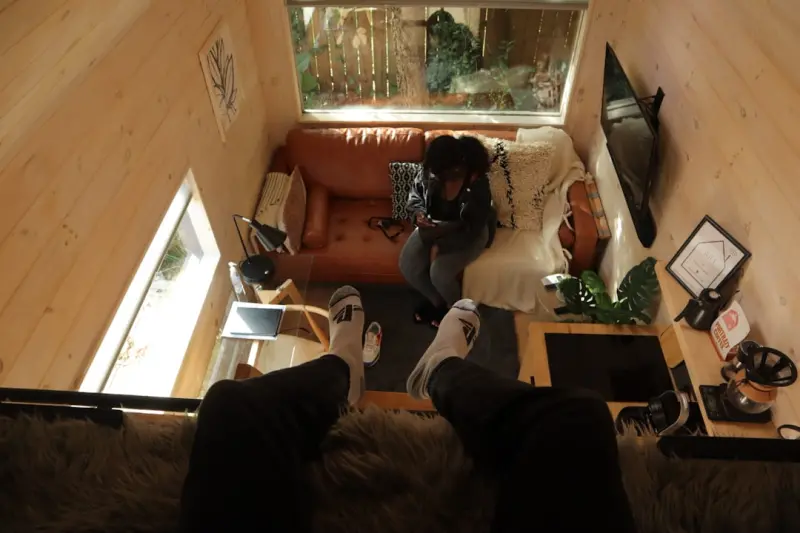
Reimagining Your Living Space: The Power of Intentional Micro‑Zones
When I first moved into my downtown loft, the open‑plan layout felt liberating—until I realized I was constantly stepping on someone’s yoga mat, answering work calls on a kitchen counter, and getting lost in a sea of miscellaneous items that seemed to multiply overnight. That chaos sparked a question: What if the answer isn’t a full‑blown remodel, but a series of tiny, purposeful zones that each serve a single, clear purpose? Over the past months I’ve experimented with micro‑zones, and the results have been astonishing. Not only does my home feel more organized, but I’ve also tapped into a surprising boost in focus, creativity, and calm.
Why Micro‑Zones Work Better Than Mega‑Makeovers
Traditional interior design often champions sweeping changes—think “open‑concept kitchen” or “all‑white bedroom.” While these projects can be stunning, they also demand significant time, money, and a willingness to live in a construction zone. Micro‑zones, on the other hand, are low‑cost, low‑commitment, and highly adaptable. By carving out small, defined areas, you give each activity its own “home,” reducing mental clutter and physical friction.
Science backs this approach. Our brains love contextual cues. When you sit at a desk, you’re primed for work; when you’re on a plush rug, you’re nudged toward relaxation. By reinforcing these cues with visual and tactile boundaries, you signal to your nervous system what to expect, which in turn streamlines focus and reduces the energy spent on task‑switching.
Step‑by‑Step Blueprint for Building Micro‑Zones
- Audit Your Activities – List the top five places you spend time at home (e.g., work, meals, exercise, reading, hobbies). Identify any overlap or conflict.
- Map Your Space – Sketch a simple floor plan. Mark existing furniture, power outlets, natural light sources, and high‑traffic pathways.
- Define Boundaries – Use rugs, lighting, or even a change in wall color to delineate each zone. The visual shift is enough to cue your brain.
- Equip Strategically – Assign only the tools needed for that zone. A small charging station for a work nook, a portable speaker for a reading corner, a fold‑away mat for quick workouts.
- Iterate and Refine – Live with the zones for a week, then adjust. Maybe the lighting is too harsh, or the zone feels cramped—tweak until it feels natural.
Micro‑Zone #1: The Focus Pod
My first experiment was a focus pod tucked into the corner of the living room, away from the main TV. I laid down a low‑profile, neutral‑toned rug, added a sleek, adjustable desk lamp, and positioned a smart plug that turns off all non‑essential devices with a single tap. The result? A distraction‑free enclave that feels like a tiny office without the office vibe.
Key elements that make this pod work:
- Lighting – Warm, indirect light reduces eye strain and signals focus.
- Power Management – Only essential electronics stay powered; everything else stays unplugged, minimizing background noise.
- Ergonomics – A compact, height‑adjustable chair ensures proper posture without taking up much floor space.
Micro‑Zone #2: The Culinary Command Center
Cooking is a creative act, yet my kitchen felt like a battlefield. By dedicating a narrow strip of wall near the sink to a “command center,” I transformed chaos into flow. I installed magnetic spice jars, a pull‑out cutting board, and a small, wall‑mounted herb rack. The setup draws inspiration from vertical gardening principles—using vertical space to keep essentials within arm’s reach.
Benefits include:
- Reduced Reach – Everything you need is a step away, cutting down on unnecessary movement.
- Visual Clarity – A clean, organized wall eliminates the mental load of searching for tools.
- Increased Inspiration – Fresh herbs at eye level invite you to experiment with flavors.
Micro‑Zone #3: The Reset Retreat
Even in a bustling apartment, we all crave a place to reset. I created a reset retreat by repurposing a hallway alcove. A floor‑to‑ceiling bookshelf now houses a small meditation cushion, a diffuser, and a low‑light LED strip that mimics sunrise. The goal isn’t to build a full meditation studio; it’s to give the brain a cue that “now is a moment to breathe.”
What makes this zone effective:
- Fragrance – A subtle hint of lavender or eucalyptus can lower cortisol levels.
- Light – Soft lighting helps transition the mind from “busy” to “calm.”
- Minimalism – Fewer items mean fewer distractions, making it easier to focus on breath.
Micro‑Zone #4: The Flex‑Fit Corner
Fitness doesn’t require a dedicated gym. I turned an unused nook near the balcony into a flex‑fit corner. A fold‑away yoga mat, a set of resistance bands stored in a decorative basket, and a wall‑mounted Bluetooth speaker create a ready‑to‑go workout space that can disappear when you need the area for other purposes.
Tips for making this zone work in any home:
- Portable Equipment – Choose gear that can be stored compactly.
- Multi‑Purpose Furniture – A bench that doubles as storage for your bands and towels.
- Tech Integration – Use a smart speaker for guided sessions without cluttering the space.
Micro‑Zone #5: The Creative Canvas
If you love doodling, sketching, or brainstorming, you need a spot that sparks imagination. I installed a small, wall‑mounted corkboard in a sunny hallway, paired with a magnetic strip for metal tools, and a set of colored pencils in a sleek, acrylic holder. This creative canvas invites spontaneous ideas without the need to set up a full‑blown studio.
Why it works:
- Visibility – Seeing your ideas displayed encourages iteration.
- Accessibility – Tools are always at hand, lowering the barrier to start.
- Natural Light – Sunlight boosts dopamine, fueling creativity.
Integrating Technology Without Over‑Complicating
Smart home tech can enhance micro‑zones, but it’s easy to over‑engineer. The trick is to adopt tools that solve a specific problem. For instance, the smart plug in my focus pod lets me switch off all notifications with a single command, preserving the zone’s sanctity. Similarly, a motion‑activated night light in the reset retreat offers gentle illumination without the jarring click of a switch.
Remember: technology should be invisible, not the star of the show.
Maintaining the Micro‑Zone Magic
Creating zones is just the first step. The real challenge is keeping them functional over time. Here are three habits that keep micro‑zones humming:
- Weekly Reset – Spend 10 minutes each week tidying each zone. Return items to their designated spots, wipe surfaces, and assess any needed upgrades.
- Seasonal Rotation – Swap out décor or tools to keep zones fresh. A summer‑themed reading corner or a winter‑focused workout nook can reignite interest.
- Feedback Loop – Pay attention to how you feel in each zone. If a space feels stale, experiment with a new color palette, lighting level, or arrangement.
By treating each micro‑zone as a living system, you’ll find that your home becomes a series of supportive ecosystems rather than a chaotic jumble.
Case Study: From Cluttered Living Room to Multifunctional Oasis
One of my friends, a freelance graphic designer, was struggling with a living room that doubled as a client meeting space, a drafting table, and a nightly Netflix lounge. We applied the micro‑zone method:
- Designated Meeting Nook – A sleek, low‑profile sofa with a hidden power strip for laptops.
- Creative Desk – A compact, height‑adjustable table near a window, equipped with a tablet stand.
- Relaxation Corner – A beanbag and a soft‑glow floor lamp for evening wind‑down.
Within two weeks, her productivity rose by 30%, client meetings ran smoother, and she reported feeling less “space‑tired.” The takeaway? Even the most cramped rooms can become purposeful with thoughtful micro‑zoning.
Final Thoughts: Your Home, Your Rhythm
Micro‑zones aren’t a one‑size‑fits‑all formula; they’re a mindset. By listening to how you move, work, and unwind, you can sculpt tiny sanctuaries that honor those rhythms. The result is a home that doesn’t just look good—it feels good, fuels your goals, and adapts as your life evolves.
Give it a try. Pick one area, apply the steps, and watch how a modest change can ripple through your entire day.

Melanie Wilson, Freelance writer with a flare for everything. I am passionate about topics I write crafting stories and compelling content that connect with audiences. Journeying through the realms of creativity as a freelance creator. #WriterLife #ContentCreator
Related Posts

Revamp Your Home for Calm, Efficiency, and Joy
A practical guide using modular storage, scent cues, and rhythmic programming to turn any home into ... Read More

Let the Sun In: Home Light Hacks for a Brighter, Healthier Space
Sanji Patel reveals how simple mirror placement, reflective paints, strategic window treatments, and... Read More
Unlocking the Hidden Potential of Everyday Spaces: A Homeowner’s Guide to Smart Organization
A fresh take on home organization, this guide reveals creative ways to repurpose overlooked spaces, ... Read More
Top Posts

Microbiome‑First Personal Care: How Gut Health Is Rewriting Your Beauty Routine
A deep dive into how balancing your gut microbiome can boost skin health, featuring practical probiotic foods, topical products, and sustainable refillable ritu...Read More
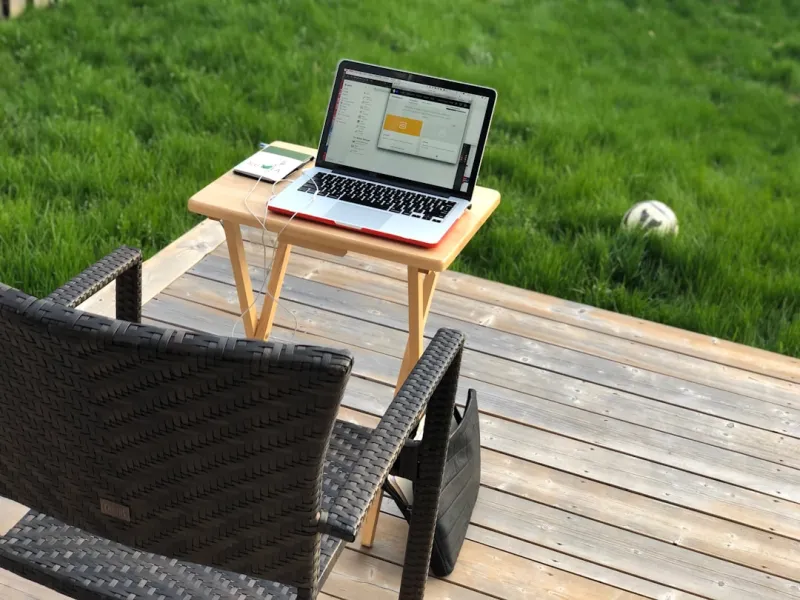
Garden Desks Are Redefining Employment in 2026
Garden desks are turning lawns into high‑performance offices, marrying nature with productivity. Discover why this green shift is the hottest employment trend...Read More

The Soundtrack of Wanderlust: How Curated Audio Elevates Every Journey
A guide to designing a travel soundtrack that syncs music, local sounds, and ambient recordings with your itinerary, enhancing memory, emotion, and immersion on...Read More

Why My Garden Desk Became the Heartbeat of Home Living
A garden desk can revitalize your daily routine, merging productivity with nature. Learn design tips, mental health benefits, and sustainable practices that tur...Read More
0 Comments
Post Comment
You will need to Login or Register to comment on this post!