

When the front door closes behind you, the world should feel a little quieter, a little softer, and a lot more welcoming. I’ve spent countless evenings turning my own living room into a mini‑retreat, and the lessons I’ve learned are surprisingly simple. You don’t need a massive remodel or a designer’s bill to create a space that whispers calm instead of shouting chaos. Below, I walk you through a step‑by‑step approach that blends thoughtful design, sensory tricks, and tiny habits—all aimed at turning any home into a stress‑free sanctuary, even if you’re working with a modest budget.
1. Start With the Foundations: Declutter With Purpose
Before you add new elements, clear the old ones. Decluttering isn’t just about aesthetics; it’s a mental reset. I’ve found that treating each item as a decision point—keep, donate, or relocate—creates a sense of control that carries over into other areas of life.
- Define Zones. Map out your main zones (living, cooking, sleeping) on a piece of paper. Knowing where each activity lives helps you decide what truly belongs in that space.
- One‑In‑One‑Out Rule. For every new piece you bring home, commit to removing another. This keeps the overall volume stable and forces you to choose wisely.
- Micro‑Goal Mastery. Instead of tackling the entire house at once, set a tiny goal—like clearing one drawer or a single shelf each day. Small wins build momentum without overwhelming you.
For more on harnessing tiny wins, check out Micro‑Goal Mastery: Tiny Wins for a Resilient Mindset. The principle is the same: break big projects into bite‑size actions and celebrate each finish.
2. Light It Right: The Mood‑Setting Power of Illumination
Lighting is the silent architect of ambiance. Harsh overhead fluorescents can make a room feel clinical; warm, layered lighting invites relaxation.
- Layered Lighting. Combine ambient (soft ceiling fixtures), task (focused desk lamps), and accent (LED strips behind shelving) to give the eye options.
- Temperature Matters. Aim for a color temperature between 2,700 K and 3,000 K for evening spaces. This mimics sunset hues and cues your body to wind down.
- Smart Controls. If you can spare a few dollars, invest in smart bulbs that dim gradually or shift color based on the time of day. You’ll be amazed at how a simple fade to amber at sunset can cue relaxation without you even thinking about it.
3. Scent: The Invisible Decor
Our noses are directly wired to the limbic system—the brain’s emotional hub. A pleasant aroma can instantly shift stress levels.
- Choose Calming Scents. Lavender, cedarwood, and eucalyptus are proven to lower cortisol. A few drops in a diffuser or a simmer pot on the stove can fill a room without being overpowering.
- DIY Potpourri. Combine dried rose petals, citrus peels, and a few sprigs of rosemary in a breathable sachet. Place it in closets or near entryways for a subtle, lasting fragrance.
- Seasonal Swaps. Rotate scents with the seasons—think cinnamon and clove in cooler months, and fresh mint or citrus in warmer periods. This keeps the environment dynamic and mentally engaging.
4. Texture: Invite Touch Into Your Sanctuary
Visual calm can be amplified when the sense of touch is also catered to. Soft throws, plush pillows, and natural fiber rugs create an environment you want to sink into.
- Invest in a Quality Throw. A chunky knit or weighted blanket not only adds visual warmth but also provides gentle, deep‑pressure stimulation—a proven anxiety reducer.
- Mix Materials. Pair smooth ceramics with rough wooden bowls, or sleek glass vases with woven baskets. This contrast keeps the eye interested without causing visual clutter.
- Seasonal Swaps. Switch lightweight linen curtains for heavier drapes in cooler months; the change in texture signals a shift in routine and helps your mind adjust.
5. Soundscapes: Quiet the Noise, Amplify the Calm
Even in a quiet home, the hum of a refrigerator or traffic outside can be a constant low‑grade stressor. Curating a gentle background sound can mask these intrusions.
- Nature Recordings. A subtle rain track, distant waves, or a forest chorus can be played at low volume. The key is to keep it just audible enough to blend into the background.
- White Noise Machines. If you prefer a more uniform sound, a white noise or pink noise device can drown out sudden spikes in external noise.
- DIY Sound Bowl. Fill a shallow tray with pebbles and place a small speaker underneath. The gentle rattling adds a calming texture to the room’s acoustic profile.
Want to explore how auditory environments shape experience? Dive into Why Listening to Local Soundscapes Transforms Your Travel Experience for deeper insight.
6. Air Quality: Breathe Easy, Live Light
Fresh air is the unsung hero of any sanctuary. Stale indoor air can cause headaches and fatigue, undermining your peace‑building efforts.
- Houseplants. Spider plants, peace lilies, and snake plants are low‑maintenance and excel at filtering pollutants.
- Window Ventilation. Open windows for 10‑15 minutes each morning. Even brief exchanges of indoor air keep CO₂ levels down and boost oxygen flow.
- DIY Air Purifier. Fill a decorative bowl with activated charcoal and a few drops of essential oil. It subtly absorbs odors while releasing a fresh scent.
7. Functional Beauty: Multi‑Purpose Furniture
In smaller homes, every piece should earn its keep. A bench that stores blankets, a coffee table with built‑in shelves, or a wall‑mounted desk that folds away can keep clutter at bay while adding visual interest.
- Ottoman Storage. Choose an ottoman with a removable lid; stash magazines, blankets, or even yoga props inside.
- Wall‑Mounted Folding Desks. When not in use, they disappear, freeing floor space for yoga or dance.
- Convertible Sofas. A sleeper sofa provides a guest bed without a dedicated spare room. Pair it with a neutral slipcover for easy cleaning.
8. Personal Touches: Curate Your Own Gallery
Art isn’t just for aesthetics; it’s a visual anchor for emotional wellbeing. Choose pieces that evoke positive memories—whether it’s a travel photograph, a child’s drawing, or a vintage poster.
- Rotating Display. Use a simple wire grid or a set of frames with easy‑open backs to swap out pieces monthly. The novelty keeps the space feeling fresh.
- DIY Gallery Wall. Mix frames of varying sizes, colors, and textures. A cohesive color palette (like muted earth tones) unifies the arrangement.
- Storytelling Objects. Place a small sculpture or heirloom on a shelf with a brief handwritten note explaining its significance. It turns a decorative object into a conversation starter and a reminder of cherished moments.
9. The Ritual of Arrival: A Simple Welcome Routine
How you transition from the outside world to your home sets the tone for the rest of the day. Create a brief “arrival ritual” that signals to your brain it’s time to relax.
- Shoes Off, Mind Off. Keep a stylish shoe rack and a small mat at the entry. Removing shoes physically separates you from the “outside” hustle.
- Hydration Station. Place a glass pitcher of water with a slice of lemon by the door. Sipping as soon as you step in rehydrates and offers a sensory cue of calm.
- Quick Scan. Take a 30‑second mental inventory of your surroundings. Notice the light, the scent, the texture of the floor beneath your feet. This mindfulness pause grounds you instantly.
10. Maintenance Made Simple: The 5‑Minute End‑of‑Day Sweep
Even the most serene sanctuary can feel chaotic if it’s left to accumulate mess overnight. A quick, consistent routine prevents overwhelm.
- Timer Technique. Set a 5‑minute timer and focus on one area—kitchen counters, living room coffee table, bathroom sink. The short burst makes the task feel doable.
- Grab‑and‑Go Baskets. Keep a basket for items that belong elsewhere (keys, mail, toys). At the end of the timer, carry the basket to its proper spot.
- Reset the Mood. Light a small candle or spray a calming essential oil spray after the sweep. The act of “finishing” the routine is paired with a pleasant sensory cue, reinforcing the habit.
Putting It All Together
Creating a stress‑free sanctuary isn’t about a single dramatic overhaul; it’s the accumulation of intentional, low‑effort choices that, over time, reshape your home’s atmosphere. Start small—maybe with a fresh set of curtains or a new lighting routine—and let each improvement compound. As you notice how the space begins to feel more supportive, you’ll naturally be motivated to add the next layer.
Remember, the goal isn’t perfection. It’s a lived‑in, breathing environment that supports you, your family, and even your work. By embracing purposeful declutter, thoughtful lighting, scent, texture, sound, and habit, you’ll turn any home into a sanctuary that feels like a gentle hug every time you walk through the door.
For more inspiration on how everyday tweaks can transform comfort, savings, and stress levels, see The Hidden Power of Everyday Home Tweaks. And if you’re looking for ways to align your personal environment with broader mental‑wellness practices, the Design Your Own Mental Health Dashboard guide offers a digital complement to your physical sanctuary.

Armed with a degree in English Literature, Jill’s journey into the digital space wasn't just a career move; it was a natural extension of her lifelong love affair with storytelling. While some writers view search engine optimization (SEO) as a rigid constraint, Jill sees it as a creative puzzle. She understands the delicate art of balancing the algorithmic demands of search engines with the human desire for resonance, emotion, and value. To Jill, keywords aren't just targets to hit; they are the breadcrumbs that lead eager readers straight to the answers they’ve been searching for.
Related Posts
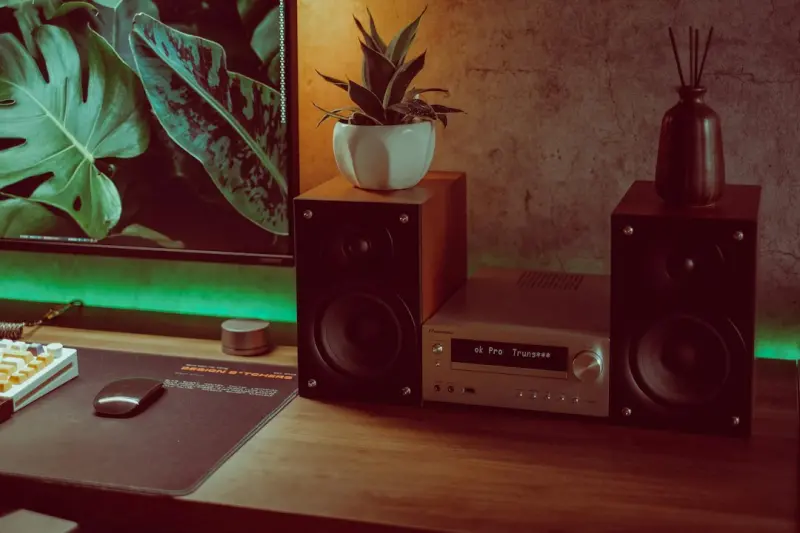
Create a Quiet Oasis at Home: Sound‑Smart Tips
Learn how to transform every room—living area, kitchen, bedroom, and bathroom—into a peaceful sa... Read More
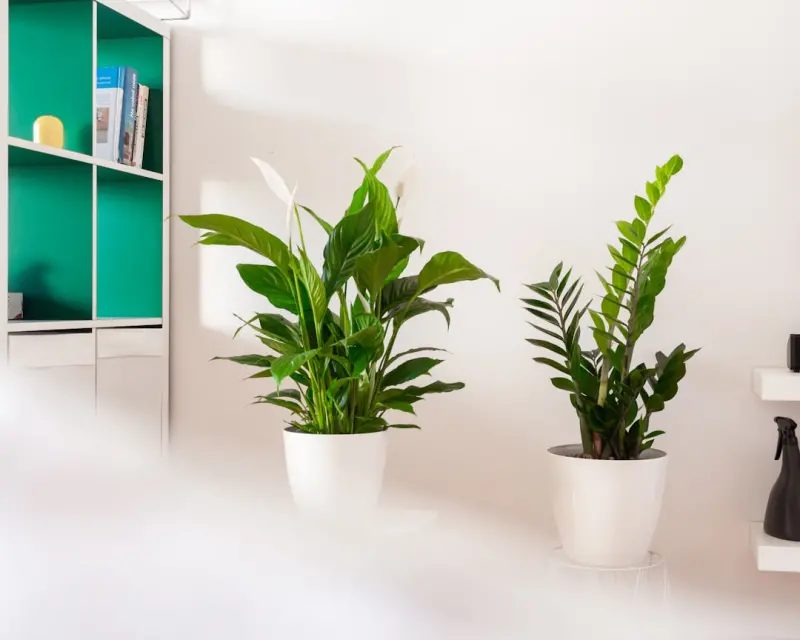
Houseplant Haven: Curating a Living Green Space for Health, Mood, and Productivity
Learn practical steps to build a thriving indoor garden, from selecting low‑maintenance plants to ... Read More
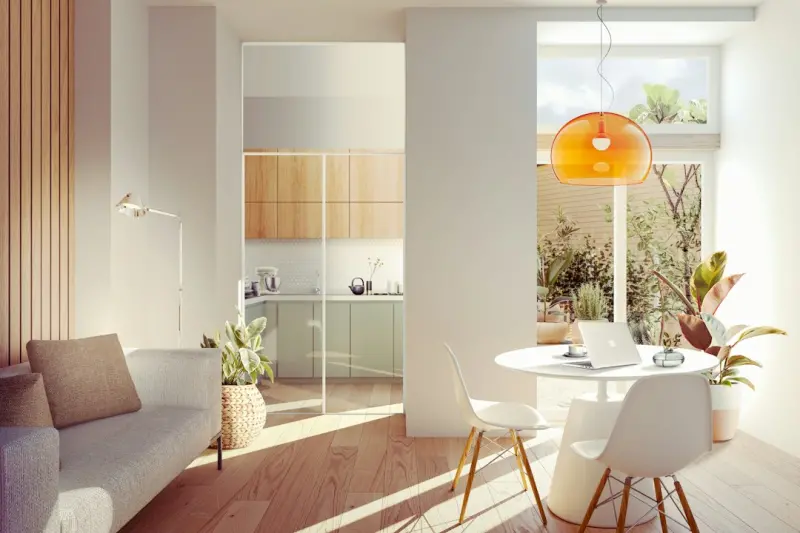
Purposeful Home Zoning: Turn Every Room into a Lifestyle Engine
Discover a zone‑based approach to home design that aligns each space with its intended purpose, us... Read More
Top Posts

Why Garden Desks Are the New Employment Power Play in 2026
Explore the rise of garden desks as a strategic tool for productivity, well‑being, and future‑proofing careers in the modern workplace....Read More
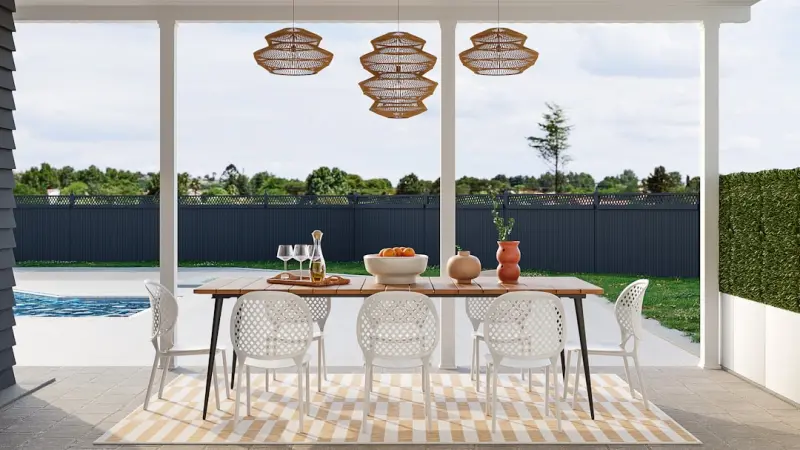
Creating a Low‑Maintenance Outdoor Living Room with Reclaimed Materials
Discover practical steps to transform a neglected yard into a low‑maintenance outdoor living room using reclaimed wood, native plants, and simple tech, creati...Read More
Garden Desk Revolution: Transforming Your Backyard Into a Productivity Oasis
A garden desk isn’t just a piece of furniture; it’s a game‑changing workspace that blends nature, productivity, and sustainability into one powerful home ...Read More

Edible Front Yard Revolution: Feeding Your Family While Beautifying Your Curb
A fresh take on curb appeal, this guide shows how to blend ornamental design with edible plants, offering practical tips on plant selection, smart irrigation, c...Read More
0 Comments
Post Comment
You will need to Login or Register to comment on this post!