

Why Seasonal Swaps Matter
When you walk into a room that feels just right, it’s not magic—it’s intentional design. Over time, even the most thoughtfully arranged spaces start to feel stagnant, as the same patterns, textures, and colors linger on repeat. A seasonal decor swap is the simplest, most affordable way to reset the emotional tone of your home without a full‑blown remodel. By aligning your interiors with the natural rhythm of the year, you create a living backdrop that supports your mood, boosts creativity, and subtly signals to your brain that it’s time for a fresh start.
The Psychology Behind a Fresh Look
Research in environmental psychology shows that our surroundings can influence stress levels, productivity, and even sleep quality. Color is a heavyweight player: cool blues and greens calm the nervous system, while warm oranges and yellows stimulate optimism. Texture shifts—think soft knit throws in winter versus crisp linen in summer—provide tactile cues that reinforce seasonal changes. By rotating these elements, you give yourself an ongoing “mini‑renovation” that keeps the brain engaged and the home feeling like a sanctuary rather than a static backdrop.
Step‑by‑Step Guide to a Seamless Seasonal Refresh
- Audit Your Current Inventory – Take a quick photo tour of each major room. Note which items already have a seasonal vibe (e.g., a plaid blanket that screams fall) and which feel out of place.
- Choose a Core Palette – Pick three to four colors that reflect the upcoming season. For spring, think soft sage, blush pink, and buttery yellow. For winter, lean into deep navy, muted pewter, and warm ivory.
- Swap Textiles First – Pillows, throws, and rugs are the most cost‑effective levers. Swap a heavy wool rug for a low‑pile jute mat when the temperature climbs, or replace a bright summer cushion with a knitted square for added coziness.
- Refresh Wall Art & Accents – Rotate framed prints, decorative plates, or even a simple string of fairy lights. Seasonal art doesn’t need to be pricey; a well‑framed botanical print can instantly shift the room’s vibe.
- Introduce Seasonal Scents – A few drops of essential oil in a diffuser—citrus for spring, pine for winter—can reinforce the visual changes and create a multisensory experience.
- Re‑evaluate Lighting – Swap out harsh white bulbs for warm amber tones during the colder months. A dimmable floor lamp paired with a soft linen shade can become your go‑to evening companion.
Smart Storage Strategies for Rotation
One of the biggest obstacles to seasonal swaps is the lack of storage space. The solution is two‑fold: create designated “seasonal bins” and use transparent containers so you can see what’s inside without digging. Label each bin with the season and a quick inventory list. Store less‑used items in the higher shelves of your closet or under the bed using vacuum‑sealed bags; these keep dust out while freeing up room for the items you’ll need now.
Don’t forget vertical space. Installing a simple wall‑mounted rack or a set of floating shelves can serve as a staging area for the items you rotate most often—think a row of seasonal candle holders or a stack of decorative trays that change with the months.
Color Psychology in Practice
When you decide on your seasonal palette, ask yourself: what emotional response do I want from this space?
- Spring – Renewal & Lightness: Soft greens, sky blues, and pastel yellows foster a sense of new beginnings. Pair these with light wood furniture to echo the freshness of budding trees.
- Summer – Energy & Playfulness: Vibrant corals, turquoise, and sunny oranges stimulate social interaction. Introduce a bold, patterned rug or a set of tropical‑themed throw pillows to bring the outdoors in.
- Fall – Warmth & Comfort: Deep reds, burnt orange, and earthy browns evoke the feeling of a cozy cabin. Layer a chunky knit throw over a leather sofa and add a few wrought‑iron candle holders for that snug ambiance.
- Winter – Calm & Reflection: Cool greys, muted navy, and soft ivory encourage introspection. A plush faux‑fur blanket and a few minimalistic ceramic vases can turn a living room into a serene retreat.
Low‑Cost DIY Updates That Make a Big Impact
Not every seasonal refresh has to involve buying new décor. A few simple DIY projects can give existing pieces a fresh twist:
- Painted Pillow Cases – Use fabric paint to add seasonal motifs (e.g., leaf outlines for autumn) to plain pillow covers.
- Stenciled Walls – A small stencil and a can of chalk paint can create a subtle accent wall that you can change every few months.
- Re‑finished Wood – Light sand a wooden coffee table and apply a tinted oil finish that matches your seasonal palette.
- Swap Hardware – Changing drawer pulls or cabinet knobs from brass to matte black instantly updates the look of a kitchen or bathroom without a full remodel.
Bringing the Outdoors In
Even if you don’t have a sprawling garden, a touch of nature can amplify the seasonal feel. The Balcony to Bounty guide shows how to make the most of limited outdoor space; you can adapt those ideas indoors by placing a few potted herbs on a windowsill or a small succulent garden on a hallway console. During spring, swap the succulents for fresh cut flowers in a glass vase; in winter, opt for evergreen sprigs or a small pinecone arrangement.
Integrating Calm Corners for Seasonal Balance
As you refresh your larger rooms, consider creating or updating a quiet corner that mirrors the season’s mood. A corner with a soft rug, a small reading lamp, and seasonal textiles can become a personal sanctuary. During summer, choose breezy fabrics and a light, airy lamp shade; in winter, swap to a heavier blanket and a warm‑glow lamp to make the space feel snug.
Budgeting Your Seasonal Swaps
Set a modest budget—think $50‑$150 per season—and prioritize items that have the highest visual impact. Textiles, lighting, and accessories typically deliver the biggest change per dollar spent. Track your expenses in a simple spreadsheet, noting where you saved (e.g., repurposed an old scarf as a pillow wrap) and where you splurged (a statement piece of art). Over a year, you’ll see that a series of small, intentional purchases often costs less than a single major overhaul.
Final Thoughts
Seasonal decor swaps are more than just a decorative exercise; they’re a habit that keeps your home aligned with your life’s natural rhythms. By embracing color psychology, smart storage, low‑cost DIY upgrades, and a touch of nature, you can transform each room into a space that feels perpetually fresh and welcoming. The best part? The process is iterative, affordable, and deeply personal—just like any meaningful home‑improvement journey. Start with a single room, pick a palette, and watch how a few thoughtful changes can make the entire house feel like a brand‑new sanctuary.

Karen Edwards is a seasoned freelance writer with a passion for all things furry, feathered, and scaled. With a dedicated focus on pets, she brings a wealth of knowledge and a keen eye for detail to her writing.
Related Posts
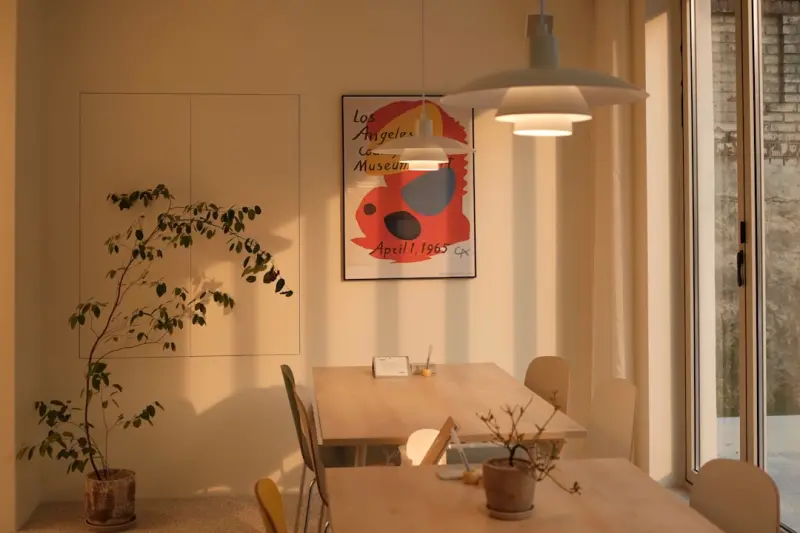
Brighten Up: Transform Your Home with Light‑Focused Design
Learn how to harness natural and artificial light to improve mood, increase productivity, and create... Read More
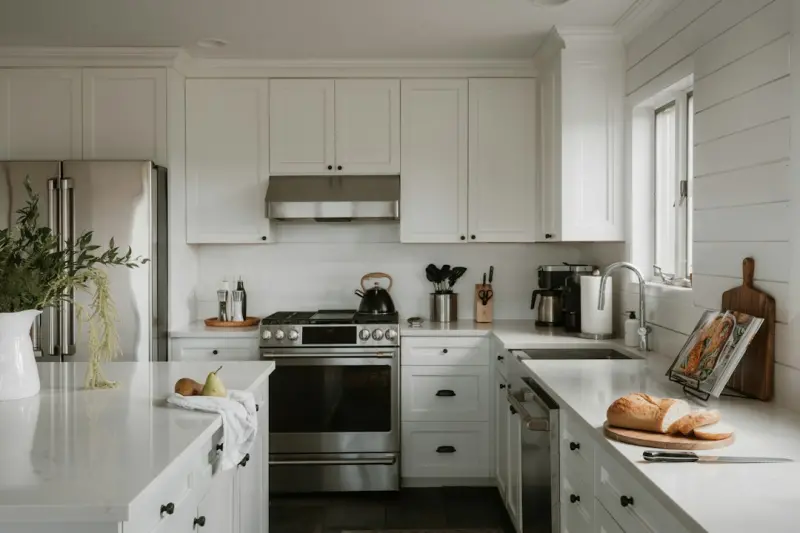
Reimagining Your Kitchen Counter as a Multi‑Purpose Power Hub
Discover how to convert a standard kitchen countertop into a versatile productivity hub using declut... Read More
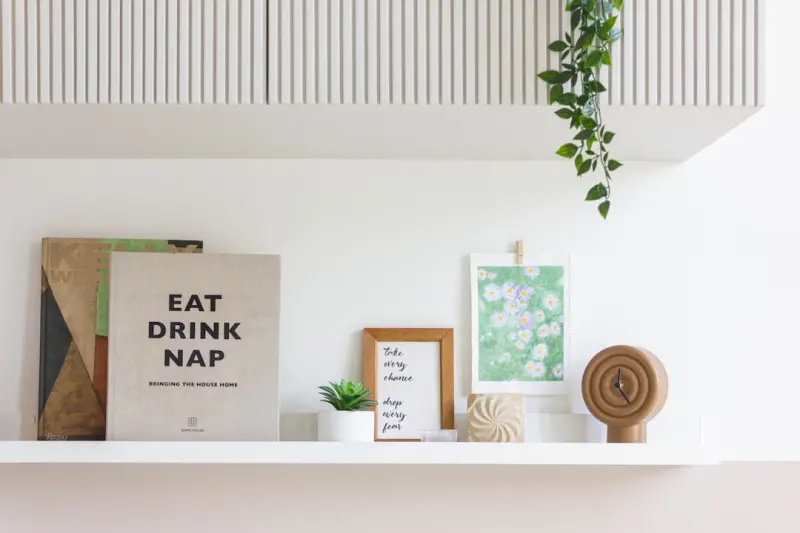
Unlocking Everyday Comfort: Practical Home Hacks for Modern Living
Learn how simple, strategic tweaks—from traffic flow mapping to micro‑zones and smart storage—... Read More
Top Posts
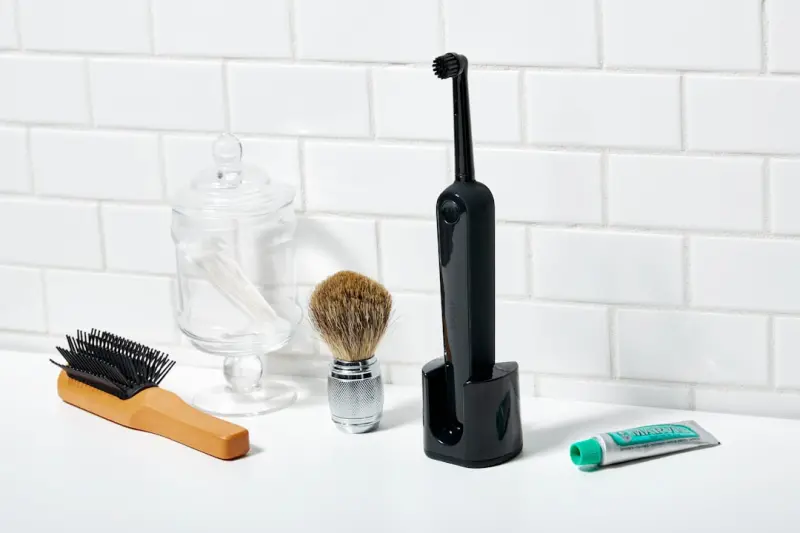
Why Personal Care Is the Hidden Engine Behind Peak Productivity
A concise guide showing how simple, repeatable personal care rituals can reduce stress, enhance focus, and become a strategic advantage for professionals seekin...Read More

Strategic Home Zoning: Boosting Focus, Calm, and Energy in Every Room
Discover practical steps to create distinct zones in your home—using light, color, texture, and sound—to effortlessly shift between work, creativity, relaxa...Read More

Micro‑Movements: Tiny Twitches That Supercharge Your Immune System
Learn the power of tiny, intentional movements that act like a low‑dose vaccine for your immune system, fitting seamlessly into your daily routine....Read More
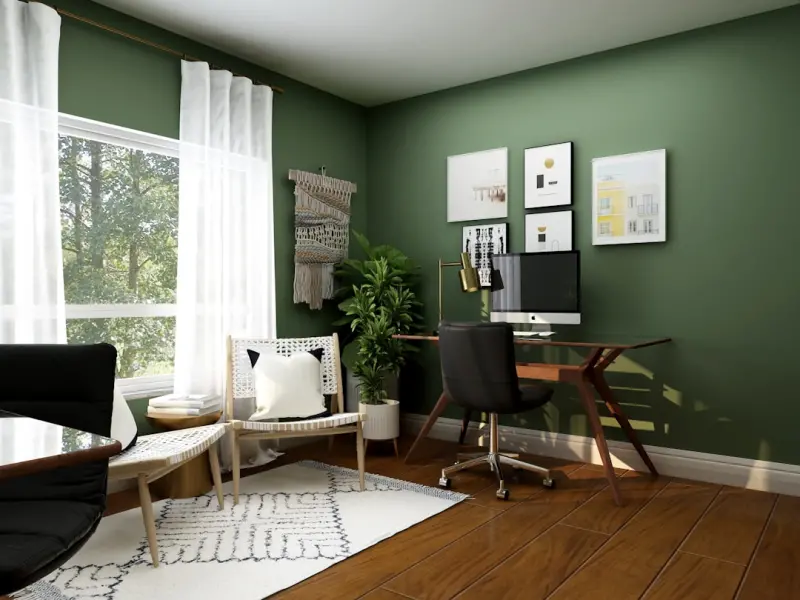
Nature‑Infused Home Offices: Boosting Focus and Well‑Being
Turn your home office into a thriving, nature‑filled haven that elevates focus, reduces stress, and enhances well‑being with practical plant picks, lighting...Read More
0 Comments
Post Comment
You will need to Login or Register to comment on this post!