

Ever walked into a room and felt instantly “off” without knowing why? I’ve been there—standing in my kitchen, coffee in hand, squinting at a harsh fluorescentscape that makes the countertops look like a hospital hallway. It wasn’t the coffee that needed a kick, it was the lighting. Over the past year I’ve turned my home into a low‑key, high‑impact lighting laboratory, and the results have been nothing short of transformative. Below is the playbook I use to turn any space—from cramped studio apartments to sprawling family homes—into a mood‑responsive sanctuary that saves energy, boosts productivity, and makes guests wonder if they’ve stepped onto a set.
Why Light Is the Unsung Hero of Home Comfort
Most of us think of light in binary terms: on or off. In reality, light is a spectrum of color temperature, intensity, and direction that can either soothe or stress the nervous system. Research shows that cool, blue‑tinted light in the morning ramps up alertness, while warm, amber hues in the evening cue melatonin production for better sleep. When you align your home’s lighting with these natural rhythms, you’re essentially giving your circadian clock a gentle nudge toward equilibrium. The payoff? Fewer late‑night scrolling sessions, sharper focus during work‑from‑home sprints, and a living environment that feels intentionally curated rather than accidentally chaotic.
The Core Tech Stack: From Bulbs to Hubs
Before you dive into buying a dozen smart bulbs, map out the three layers that will keep your system scalable:
- Light Source: LED fixtures are the baseline—energy‑efficient, long‑lasting, and now available in tunable white (2,700 K–6,500 K) or full‑spectrum RGB options.
- Control Hub: A central device (like a Zigbee or Matter‑compatible hub) that speaks the language of all your bulbs. Think of it as the conductor of a lighting orchestra.
- Automation Layer: Routines built in your hub’s app, or via voice assistants (Alexa, Google, Siri). This is where the magic happens—scheduling, sensor triggers, and scene presets.
If you’re a DIY‑enthusiast, consider pairing a When AI Becomes Your Quiet Partner in Decision‑Making mindset with your lighting choices. Let algorithms suggest the optimal hue for your evening read based on your calendar, weather, and even your recent Spotify playlist. The result is a home that feels anticipatory—like it already knows what you need.
Practical Setups for Every Room
1. The Home Office: Focus Mode
Start the day with a 5,000 lux cool‑white burst (around 6,500 K). This mimics natural daylight, sharpening focus. After two hours, transition to a neutral white (4,000 K) to ease eye strain, then dim to a warm amber (2,700 K) for late‑night brainstorming. A motion sensor on your desk can trigger these shifts automatically, so you never have to click a button.
2. The Kitchen: Functional Ambience
Under‑cabinet LEDs should be set to a neutral white (4,000 K) for food prep accuracy. Overhead, install dimmable recessed lights that you can pull down to a cozy 3,000 K when you’re plating a dinner party. For a splash of personality, add a strip of RGB under the island that you can program to pulse in time with a cooking podcast—yes, you can sync it with the The Soundtrack Strategy: How Personal Audio Cues Boost Mental Well‑Being you love.
3. The Living Room: Cinema‑Ready
Combine smart floor lamps with a ceiling‑mounted dimmable fixture. Create a “Movie Night” scene: 20% warm dim, no glare on the TV, and a subtle bias lighting behind the screen that reduces eye fatigue. Many streaming devices now have APIs that let you trigger the “Cinema” scene the moment you hit play.
4. The Bedroom: Sleep Sanctuary
Install a wake‑up sunrise simulation using a bedside lamp that gradually ramps from 200 lux at 2,000 K to 500 lux at 4,000 K over 30 minutes. Pair it with a night‑time “Wind‑Down” scene that drops to 5 lux of amber light, signaling your brain it’s time to unwind. If you have a smart mattress pad, you can even sync the lighting to your body temperature for a truly holistic sleep environment.
Integrating Light With Daily Routines
The true power of smart lighting shines when it dovetails with existing habits. Here’s how to make it effortless:
- Morning Routine: Use a motion sensor at your bathroom door to trigger a cool‑white boost as soon as you step out of the shower. Pair this with your coffee maker’s “brew” signal for a seamless start.
- Work Blocks: Set a calendar‑linked routine that dims the lights at the start of each meeting, signaling focus mode to everyone in the room.
- Evening Wind‑Down: Enable a geo‑fence that detects when you’re within a 500‑meter radius of home and begins the “Welcome Home” scene—soft warm lights, a hint of lavender scent from a smart diffuser, and your favorite chill playlist.
By anchoring lighting changes to existing triggers (motion, time, location), you avoid decision fatigue and keep the experience intuitive. In practice, you’ll notice you no longer have to fumble for switches in the dark; the environment simply adapts.
Design Aesthetics Meets Functionality
Smart lighting isn’t just about tech; it’s also about visual cohesion. Choose fixtures that complement your interior design—mid‑century brass pendants, minimalist matte black track lighting, or sleek recessed trims. The goal is to let the technology hide in plain sight while the light itself becomes a design element. For example, a thin LED strip hidden behind crown molding can provide a subtle halo that accentuates high ceilings without any visible hardware.
If you love the idea of Designing Micro‑Escapes—short, intentional moments of calm—think of each lighting scene as a micro‑escape within your home. A 10‑minute “Reading Nook” scene with warm amber light, a low hum of a white‑noise machine, and a soft rug underfoot can become a sanctuary you return to daily.
Future‑Proofing: Preparing for the Next Wave
Lighting standards are evolving fast. Matter, the new universal IoT protocol, promises plug‑and‑play compatibility across brands, meaning today’s bulbs will likely work with tomorrow’s hubs. When upgrading, prioritize devices that advertise Matter support to avoid lock‑in.
Another emerging trend is human‑centric lighting that uses sensors to read your heart rate and adjust hue in real time to optimize mood. While still in early consumer stages, some high‑end smart homes already have beta access. Keep an eye on manufacturers that collaborate with wellness researchers; they’ll be the first to roll out reliable, evidence‑based products.
Wrap‑Up: Your Home, Your Light, Your Life
Lighting is the most malleable, least costly lever you have to reshape the narrative of your home. By treating light as an active participant—one that can boost productivity, nurture relationships, and even improve sleep—you create a living space that feels intentional, not incidental. Start small: swap a single bedside lamp for a tunable LED, set up a simple “Morning Boost” scene, and watch the ripple effects across your day. Before long, you’ll find yourself orchestrating a symphony of light that harmonizes with every facet of your life.

Tyler Johnson is a seasoned freelance writer with a keen eye for detail and a passion for crafting compelling narratives. His years of experience have honed his ability to adapt his style to suit diverse client needs and project requirements.
Related Posts

Turn Your Home into a Stress‑Free Sanctuary with Simple Tweaks
A guide to low‑effort, high‑impact home improvements—from decluttering entryways to creating m... Read More

Designing Quiet, Focus‑Friendly Zones in an Open‑Plan Home
Discover step‑by‑step strategies to turn corners of your open‑plan home into quiet, focus‑fr... Read More
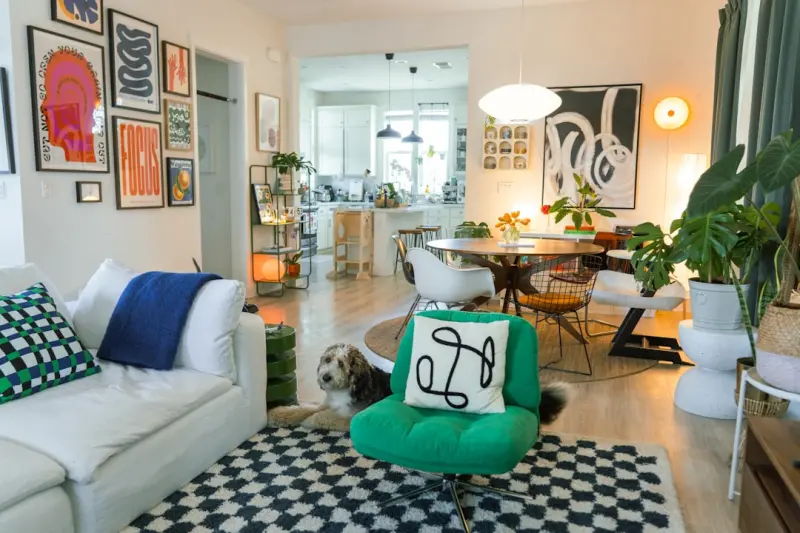
Pet‑Friendly Home Design: Style Meets Function
Discover how to create a beautiful, functional home that accommodates pets without sacrificing style... Read More
Top Posts

Sync Your Meals with Your Body Clock for Better Health
Learn to eat in harmony with your body’s natural clock, boosting metabolism, stabilizing energy, and enhancing sleep with practical meal‑timing strategies....Read More
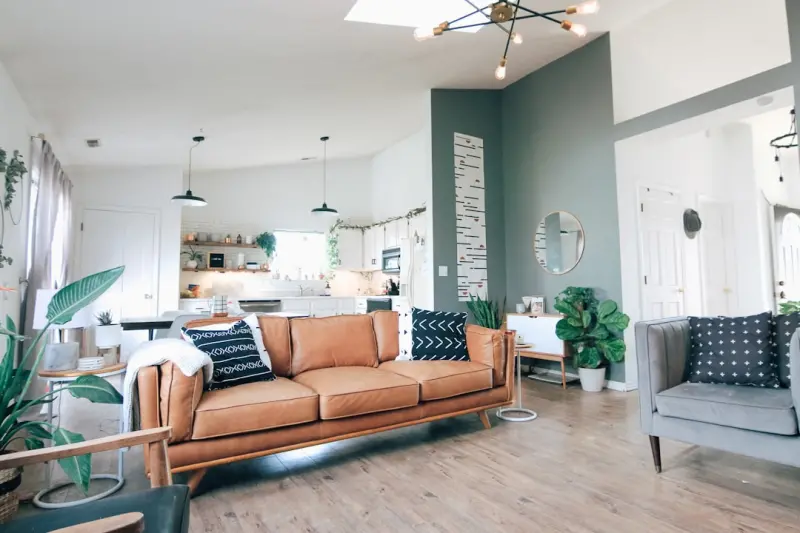
Hidden Home Wins: Everyday Tweaks That Transform Your Space
Unlock overlooked spaces and eco‑friendly tricks to upgrade your home’s functionality and feel. Small changes, big impact—turn every nook into a purposefu...Read More

Seasonal Scent Curation and Sustainable Garden Design: A Fresh Take on Home & Garden
Explore innovative ways to curate seasonal scents, create wildlife corridors, and use recycled materials in garden design, turning your home into a sustainable ...Read More

Syncing Your Body Clock: Simple Rituals for Modern Health
Learn how tiny adjustments to light, meals, movement, and offline connections can reset your internal clock and transform your well‑being without drastic life...Read More
0 Comments
Post Comment
You will need to Login or Register to comment on this post!