
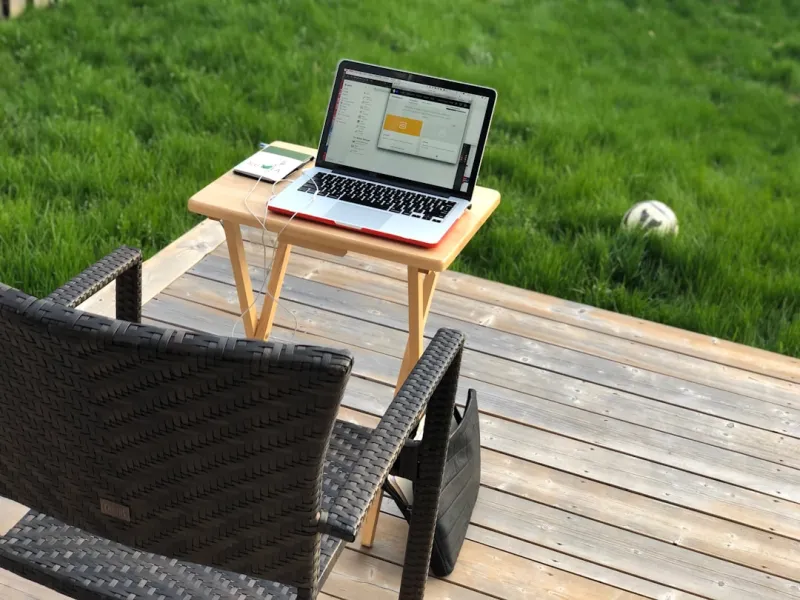
The Rise of Outdoor Workspaces
In the past year, I’ve watched the traditional office silhouette melt into the garden fence, and I can’t help but feel that we’re witnessing a cultural shift as profound as the advent of remote work a decade ago; the hum of a laptop now competes with the chirping of sparrows, and the line between “home” and “office” has been redrawn with a fresh coat of soil and sunshine. Garden desks have become the unexpected catalyst for this transformation, offering employees a tangible connection to nature that translates into sharper focus and a calmer mindset, a benefit that research teams are only beginning to quantify. For a deeper dive into why this movement matters, see my earlier piece Why Garden Desks Are the Future of Employment, where I explore the psychological underpinnings of this trend.
What started as a personal experiment—installing a modest table under my own rose arbor—has quickly spiraled into a broader conversation about how companies can harness the outdoors to foster creativity and reduce burnout; the simple act of stepping outside for a brainstorming session feels like a reset button for the brain, and employees report a surge in innovative ideas after a few minutes of fresh air. Moreover, the visual break offered by a garden setting interrupts the monotony of screen fatigue, allowing the mind to wander in productive ways that a bland cubicle simply cannot accommodate. This subtle yet powerful shift is reshaping the very definition of a “workday,” turning it into a series of intentional, nature‑infused experiences.
Economic and Talent Benefits
From a business perspective, the economics of garden desks are surprisingly compelling: by reallocating a portion of office square footage to outdoor zones, companies can trim real‑estate costs while simultaneously attracting top talent who crave flexibility and wellness‑focused environments. In a recent survey, over 70% of respondents indicated that access to an outdoor workspace would be a decisive factor when choosing between job offers, a statistic that underscores how recruitment strategies must evolve to include green amenities alongside salary and benefits. The cost savings extend beyond rent; reduced absenteeism, lower healthcare expenses, and heightened employee engagement combine to create a measurable return on investment that many forward‑thinking HR leaders are beginning to calculate.
Beyond the balance sheet, garden desks serve as a visible statement of corporate values, signaling a commitment to sustainability and employee wellbeing that resonates with the modern workforce; this alignment can bolster brand reputation and foster loyalty in an era where social responsibility is no longer optional. Companies that pioneer these green workstations often find themselves featured in industry round‑tables and media spotlights, further amplifying their employer brand without additional marketing spend. The ripple effect is clear: a modest investment in an outdoor desk can generate outsized benefits across recruitment, retention, and public perception.
Design, Tech, and Practicality
Designing an effective garden desk goes beyond simply placing a table under a tree; ergonomics, weatherproofing, and connectivity must be thoughtfully integrated to ensure that productivity is not compromised by the elements. I chose a reclaimed wood surface with an adjustable height mechanism, paired with a sleek, solar‑powered power strip that keeps my devices humming even on overcast afternoons, a setup that demonstrates how sustainable materials can coexist with cutting‑edge tech. For those curious about my personal setup, check out From Soil to Success: Rose DesRochers’ Guide, where I break down the components that make my garden desk both functional and aesthetically pleasing.
Practical considerations also include shade solutions, insect protection, and easy maintenance; a retractable canopy can shield screens from glare, while natural repellents keep pests at bay without introducing harsh chemicals into the ecosystem. The key is to view the garden desk as a living extension of the office, one that evolves with seasonal changes and can be reconfigured to suit different tasks—from focused writing sessions to collaborative meetings held under the open sky. When these elements are harmonized, the garden desk becomes more than a novelty—it transforms into a reliable, year‑round work hub.
Looking Ahead: 2026 and Beyond
As we settle into 2026, I anticipate that garden desks will no longer be a fringe benefit but a standard component of workplace design, much like ergonomic chairs were once a luxury. Companies that embrace this evolution early will likely enjoy a competitive edge, not only in attracting talent but also in cultivating a culture that values balance, sustainability, and innovative thinking; the office of the future may very well be a mosaic of indoor collaboration zones and vibrant outdoor studios, each feeding off the other's strengths. The momentum is already building, with major tech firms piloting campus‑wide garden desk programs and startups offering modular, portable outdoor workstations as part of their core product lines.
Looking forward, the integration of smart technology—such as weather‑responsive lighting, IoT‑enabled climate control, and AI‑driven productivity analytics—will further blur the line between indoor and outdoor work environments, creating seamless hybrid spaces that adapt to both employee preferences and environmental conditions. I encourage leaders to start small, perhaps by converting a single patio into a trial zone, and then measure the impact on engagement and output; the data will speak for itself, confirming that a touch of green can be the most powerful catalyst for a thriving, future‑ready workforce.

When it comes to the world of blogging and writing, Rose DesRochers is a name that stands out. Her passion for creating quality content and connecting with her audience has made her a trusted voice in the industry. Aside from her skills as a writer and blogger, Rose is also known for her compassionate nature.
Related Posts

Financial Wellness Is the Competitive Edge Employees Crave
Financial stress undermines productivity and retention. This post reveals how a holistic financial w... Read More

Why Sabbaticals Could Be Your Company’s Secret Weapon
A deep dive into how offering paid sabbaticals can improve retention, unleash new ideas, and strengt... Read More
Why Reverse Mentoring Is the Secret Weapon for Future‑Ready Companies
Reverse mentoring flips the traditional mentor‑mentee dynamic, letting junior employees guide seni... Read More
Top Posts

Why Skills‑First Hiring Is the New Competitive Edge
A deep dive into the skills‑first hiring revolution, outlining practical steps, technology’s role, cultural benefits, and measurable outcomes for organizati...Read More

From Garden Soil to Office Success: Rose DesRochers on the New Era of Employment
Rose DesRochers shares her journey turning a garden desk into a high‑performing office, offering practical tips and visionary insights on the evolving world o...Read More

The Garden Desk Revolution: How Outdoor Workspaces Are Transforming Modern Employment
Explore the rise of garden desks, the outdoor workspaces that are redefining modern employment, boosting creativity, health, and work‑life balance....Read More

The Hidden Power of Structured Daydreaming for Mental Resilience
Learn to harness intentional daydreaming as a powerful mental health tool, turning imagination into a daily resilience practice....Read More
0 Comments
Post Comment
You will need to Login or Register to comment on this post!