

Why Your Home Should Be a Quiet Engine of Creativity
When I first moved into a cramped studio apartment, I treated my living space like a backdrop for my life rather than an active participant. The noise, the clutter, and the constant visual overload stole my mental bandwidth. After years of experimenting with work‑from‑home setups, I finally cracked the code: a home that quietly fuels focus, sparks inspiration, and restores energy without demanding extra attention. This isn’t about a single “magic” gadget; it’s about a series of intentional, low‑maintenance tweaks that turn ordinary rooms into supportive allies.
1. Start with a “Flow Map” of Your Daily Moves
Before you buy a new piece of furniture or repaint a wall, map out the paths you actually walk during a typical day. From the coffee maker to the laptop desk, from the bathroom to the reading nook—trace these routes on a piece of paper. You’ll quickly notice bottlenecks where you constantly bump into things or zones that feel under‑utilized. The goal is to create a natural circulation that feels effortless, like a gentle river rather than a congested highway.
Once you have the map, ask yourself:
- Which areas could double as a quiet thinking corner?
- Are there dead‑ends that could become storage or display spaces?
- Do you need a dedicated zone for “brain‑dump” tasks like sorting mail or brainstorming?
By aligning furniture placement with your actual flow, you eliminate wasted steps and free up mental space for the work that matters.
2. Embrace Multipurpose Furniture – Less Is More
One of the biggest misconceptions in interior design is that more furniture equals more comfort. In reality, each extra piece adds visual weight and creates friction. Opt for items that serve at least two functions. A bench with hidden drawers, a coffee table that lifts to become a standing desk, or a bookshelf that doubles as a room divider can dramatically increase flexibility while keeping the footprint small.
When choosing multipurpose pieces, prioritize:
- Sturdy, lightweight construction so you can easily reposition them as needs shift.
- Neutral colors and simple lines that blend into any aesthetic you later adopt.
- Built‑in storage that tucks away cables, notebooks, or creative supplies out of sight.
This strategy reduces the “visual noise” that often distracts us, and it makes the space feel intentionally curated rather than cluttered.
3. Light the Way: Harness Natural Light and Soft Artificial Glow
Natural light is the most underrated productivity booster. It regulates circadian rhythms, improves mood, and reduces eye strain. Position your primary work surface near a window, but be mindful of glare. If direct sunlight is too harsh, install a sheer curtain that diffuses the light while preserving its warmth.
When daylight fades, choose artificial lighting that mimics its spectrum. Warm‑white LEDs with adjustable color temperature can transition from a bright, focus‑enhancing “daylight” setting to a softer, “evening” ambiance that signals your brain it’s time to unwind. Avoid harsh fluorescent bulbs—they can create a sterile atmosphere that stifles creative thinking.
Pro tip: A small, dimmable task lamp on your desk can serve as a “visual cue” for deep work sessions. When the lamp is on, you’re signaling to yourself that it’s time to dive in; when it’s off, you’re free to shift gears.
4. Air Quality—The Invisible Productivity Partner
Most of us focus on sight and sound, but the air we breathe is a silent driver of mental clarity. Stale, polluted indoor air can cause fatigue, headaches, and a foggy mind. Simple, conscious indoor air strategies—like opening windows for a few minutes each morning, adding a few low‑maintenance houseplants, and using a compact HEPA filter—can dramatically improve the oxygen flow in your space.
For a deeper dive into how air quality transforms urban living, check out conscious indoor air strategies. The article outlines science‑backed habits you can adopt without turning your home into a greenhouse.
5. Create a “Micro‑Studio” for Creative Play
Everyone needs a dedicated spot for brainstorming, sketching, or tinkering—something that’s separate from the primary work desk but still within the same room. This “micro‑studio” can be as simple as a rolling cart loaded with notebooks, markers, and a small whiteboard. The key is to keep it portable so you can pull it into a sunny corner, a kitchen island, or even outdoors when the weather cooperates.
Why does this matter? Physical separation helps the brain switch modes. When you move from a laptop screen to a tactile surface, you engage different neural pathways, often leading to fresh insights. Moreover, the act of physically setting up the micro‑studio signals a mental transition from “task mode” to “creative mode.”
6. Sound Management Without Turning It Into a Full‑On Project
While you might be tempted to invest in high‑end acoustic panels, most homes can achieve a calm acoustic environment with a few low‑effort tricks. Soft textiles—like rugs, curtains, and upholstered furniture—absorb excess reverberation. A strategically placed bookshelf filled with books or decorative objects can act as a natural diffuser.
If you’re curious about deeper sound‑scaping techniques, the post on sound‑scaping techniques offers a handful of ideas that go beyond the basics without demanding a full renovation.
7. The Power of “Quiet Corners” for Mental Reset
Even the most disciplined creators need a momentary pause. A tiny, deliberately uncluttered corner—think a single comfortable chair, a small side table, and a plant—can become a sanctuary for a quick mental reset. Keep a small stack of books or a mindfulness journal there, but resist the urge to fill the space with gadgets.
When you step into this corner, close the laptop, turn off notifications, and simply breathe. The act of physically leaving your work area reinforces a psychological break, allowing your subconscious to process ideas in the background. Over time, you’ll notice that returning to the desk feels fresher and more focused.
8. Low‑Maintenance Greenery That Does More Than Look Nice
Plants are often touted for their aesthetic appeal, but certain species also improve indoor air quality and boost mood. Snake plants, ZZ plants, and pothos are virtually indestructible, requiring minimal watering and thriving in low‑light conditions. Place them near your desk or in the micro‑studio to enjoy their benefits without the stress of constant care.
If you crave a more ambitious horticultural project, consider a year‑round garden inspiration that can be tucked into a balcony or even a sunny windowsill. Even a modest herb garden adds fragrance, fresh ingredients for cooking, and a sense of accomplishment.
9. Simplify Storage with “Invisible” Solutions
Clutter is the enemy of focus. Instead of piling items on surfaces, invest in storage that disappears from view. Floor‑to‑ceiling closets with sliding doors, under‑bed drawers, and built‑in niches behind doors can house everything from seasonal clothing to office supplies. Use clear, labeled bins for categories you need quick access to, and store rarely‑used items in a single, out‑of‑sight box.
One trick I love is the “reverse‑pull” shelf: a shallow shelf that slides out from under a larger piece of furniture, allowing you to slide a stack of books or magazines in and out without the temptation to leave them on the floor.
10. Establish a “Digital Sunset” Routine
Technology is a double‑edged sword. While it enables remote work, its blue light and constant notifications can sabotage your evening wind‑down. Set a firm “digital sunset”—a point each day when you switch off all screens (or at least move them to night mode). Replace that time with a low‑tech activity: reading a physical book, journaling, or simply stretching.
This habit not only protects your sleep but also reinforces the boundary between work and personal life, making your home feel like a true refuge at the end of the day.
Putting It All Together: A Sample Day in a Thoughtful Home
Imagine waking up to natural light filtering through a sheer curtain, the scent of a nearby basil plant wafting gently. After a quick stretch, you open a window for five minutes, letting fresh air circulate. Your coffee is brewed at a compact station that also doubles as a mini‑storage unit for mugs and tea bags.
As you settle at the desk, the soft glow of an adjustable lamp signals focus mode. The flow map you designed months ago ensures you never have to walk around a maze of furniture to get to the kitchen. When a brainstorming burst hits, you roll your micro‑studio cart into the sunny corner, lay out a sketchpad, and let ideas flow. Mid‑afternoon, you step into your quiet corner, close the laptop, and take three mindful breaths—your brain recharges without the need for a full break.
Evening arrives. You dim the lights, turn off all screens, and sit on the balcony with a herb‑infused tea, listening to the faint hum of the city outside. The house feels like a living, breathing partner that supports each phase of your day, rather than a static backdrop.
By integrating these small, intentional adjustments, you create a home that’s not only functional but also nurturing—a place that silently powers your creativity, productivity, and well‑being.

Steph Sanderson is a Toronto-based freelance writer and content creator with a clear passion: crafting compelling articles. With a dedication to clear, engaging prose and a knack for storytelling, Steph brings a wealth of experience to every project.
Related Posts
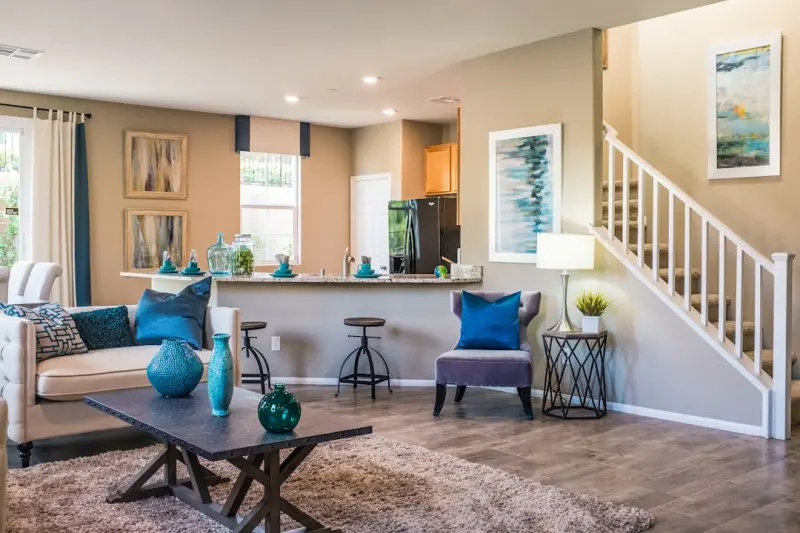
Seasonal Home Refresh: Simple Swaps to Energize Every Room
A fresh, sensory‑rich guide shows how small, seasonal changes—from color accents to natural ligh... Read More

Multi‑Functional Furniture Secrets: Turn Every Corner Into a Purpose‑Built Zone
Discover practical, budget‑friendly strategies to turn any room into a multi‑functional zone, us... Read More
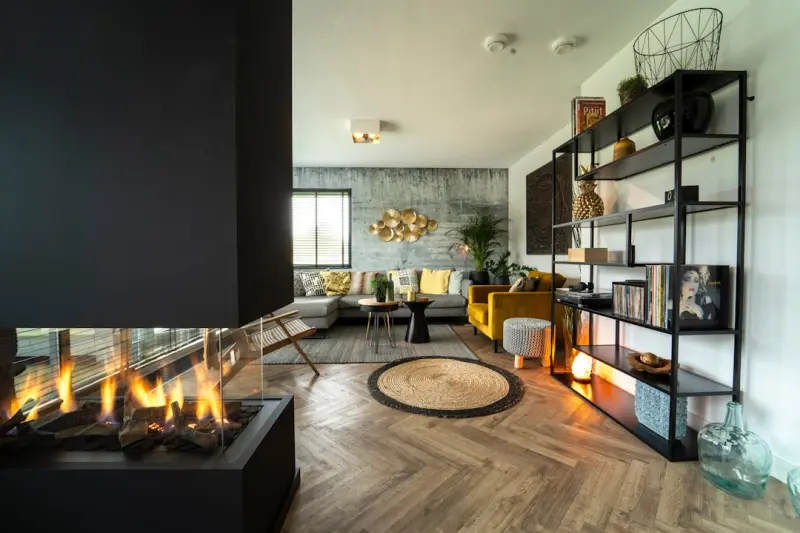
Dynamic Room Zoning: Boost Home Comfort & Efficiency
Discover how to transform each area of your home into a flexible zone using modular furniture, smart... Read More
Top Posts

Aligning Your Workday with Your Body Clock: A Chronobiology Playbook
Discover how aligning daily work routines with your internal body clock can improve focus, reduce fatigue, and enhance overall well‑being, with actionable ste...Read More
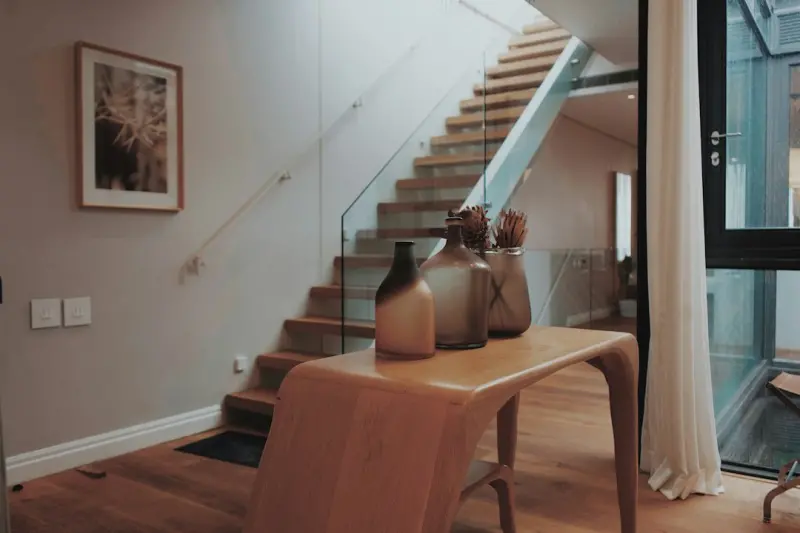
Light, Air, and Flow: Reimagining Home Environments for Everyday Energy
Discover practical ways to harness natural light, create purposeful airflow, and design multi‑functional light zones that turn any home into a daily source of...Read More

Crafting a Multisensory Personal Care Ritual for Everyday Balance
Discover a fresh approach to personal care that blends light, sound, scent, touch, and breath into a cohesive daily ritual, enhancing relaxation, productivity, ...Read More

From Soil to Table: Designing an Edible Landscape That Feeds Your Family and the Planet
Discover a step‑by‑step guide to creating an edible landscape that blends aesthetics with fresh produce, boosts biodiversity, and supports a sustainable lif...Read More
0 Comments
Post Comment
You will need to Login or Register to comment on this post!