
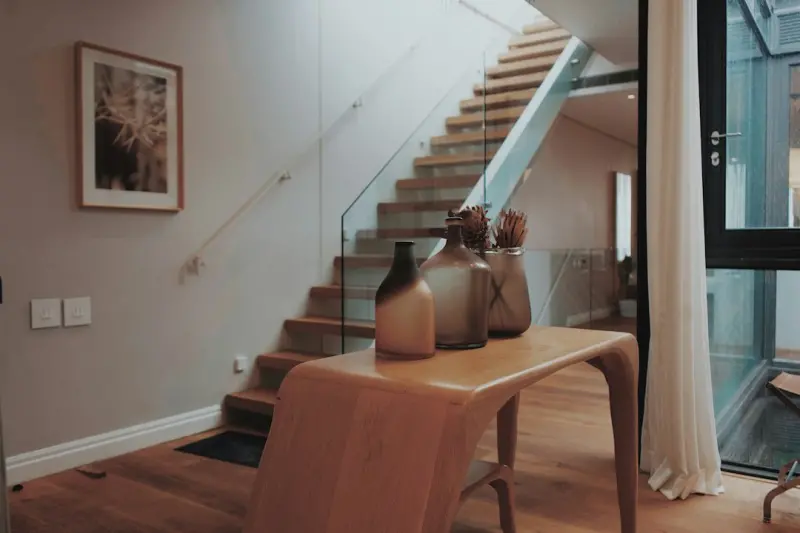
Why Light and Air Matter More Than You Think
Most of us treat the walls of our homes as static backdrops, but they’re actually dynamic partners in how we feel, think, and move throughout the day. When the right light kisses a room at the right moment, and fresh air circulates with intent, you’ll notice a subtle lift in mood, sharper focus, and a deeper sense of calm. It’s not magic—it’s physics, biology, and a pinch of design intuition working together.
Step 1: Map Your Home’s Natural Light Rhythm
Before you buy any lamps or paint, spend a weekend becoming a light‑detective. Grab a notebook (or open a daily observation log) and note:
- Morning glow: Which rooms fill with soft, diffused light before 9 am?
- Midday sun: Where does the harsh, direct sunlight strike after 12 pm?
- Evening fade: Which spaces stay bright into the twilight hours?
These notes become the blueprint for tailoring illumination, ventilation, and even furniture placement. A room that basks in gentle sunrise is perfect for a meditation nook; a space that catches harsh noon glare might need a sheer curtain and a cooler color palette.
Step 2: Harness Color Temperature to Sync Your Circadian Clock
Light isn’t just about brightness; it’s also about color temperature. Early‑day light is cool (5000‑6500 K), which stimulates alertness. As the day wanes, warmer tones (2700‑3000 K) cue your body to unwind. Here’s how to make this work without a costly smart‑lighting system:
- Morning boost: Install a daylight‑bulb (5000 K) in the kitchen or bathroom. Pair it with a timer so the light turns on at sunrise, giving you a gentle, energizing cue even on cloudy days.
- Afternoon balance: Swap to neutral white (3500 K) in work‑or‑study areas. This keeps you focused without the overstimulation of full‑daylight bulbs.
- Evening wind‑down: Use warm amber bulbs (2700 K) in the living room and bedroom. Dim them an hour before bedtime to signal melatonin production.
Even if you can’t automate everything, a few strategically placed floor lamps or table lamps can do the trick. The key is consistency—your brain learns the pattern and responds accordingly.
Step 3: Create Intentional Airflow Paths
Stale air can make a bright room feel oppressive. Simple airflow tricks improve oxygen levels, lower indoor humidity, and enhance the feeling of spaciousness.
- Cross‑ventilation: Open windows on opposite sides of a room (or adjacent rooms) for a gentle breeze that sweeps through. If privacy is a concern, install louvered shutters that let air in while keeping eyes out.
- Strategic fan placement: Position a low‑profile oscillating fan near a window to draw fresh air deeper into the house. Pair it with a ceiling fan set to reverse (counter‑clockwise) in the summer to push cool air down.
- Plants as natural filters: Spider plants, peace lilies, and snake plants absorb pollutants and release oxygen. A cluster of them near a sun‑lit corner creates a living air purifier.
Step 4: Design Multi‑Purpose Light Zones
Open‑plan living is popular, but it can also create a “one‑size‑fits‑all” lighting dilemma. Divide your space into light zones that serve distinct activities without building walls:
- Task islands: A pendant light over the kitchen island, a focused desk lamp in the home office corner, and a reading light by the armchair. Each island has its own intensity and temperature.
- Ambient layers: Use recessed LED strips along crown molding for a soft wash of light that ties the whole room together, then overlay with the task islands.
- Accent highlights: Spotlights on artwork or a shelving display create visual interest and draw the eye, preventing the space from feeling flat.
Think of lighting as a musical composition—bass notes for deep focus, treble for light conversation, and rests (dim areas) for relaxation.
Step 5: Introduce “Micro‑Micro‑Environments” for Mood Shifts
Just as we enjoy a change of scenery on a vacation, we can create tiny environmental shifts within our homes. These micro‑micro‑environments are less about remodeling and more about sensory cues.
- Scent stations: Place a small diffuser with citrus oil in the entryway to invigorate you as you come home. Swap to lavender in the bedroom for a calming cue.
- Texture corners: A plush rug under a reading chair invites lingering, while a sleek metal stool in the kitchen encourages quick, functional moments.
- Sound bubbles: A white‑noise machine or a small indoor fountain near a meditation spot can mask urban noise and promote focus.
Step 6: Leverage Smart Storage for Light Efficiency
Clutter can block light pathways, especially in narrow hallways or loft spaces. While we’re not re‑hashing the classic storage hacks, consider a minimalist approach that prioritizes transparency:
- Use clear acrylic bins for items you need to access daily—light passes through, and you avoid digging.
- Install floating shelves at a height that keeps floor space open, allowing light to bounce off walls.
- Choose furniture with built‑in storage that doubles as a light reflector (e.g., a bench with a mirrored back panel).
By reducing visual obstruction, you maximize every ray of sunlight, making rooms feel larger and more inviting.
Step 7: Align Your Home’s Energy Flow with Personal Rhythms
Every person has a natural rhythm—some are early birds, others night owls. Your home should adapt, not force you into a rigid schedule. Here’s a quick audit:
- Identify peak productivity windows. If you’re sharp from 7 am to 11 am, keep the workspace bright and cool during those hours.
- Mark wind‑down periods. Dim the lights, lower the thermostat slightly, and introduce soothing scents an hour before you plan to sleep.
- Adjust weekend flow. Weekends may call for softer light throughout the day and a more relaxed airflow pattern—perhaps a window left ajar for a gentle breeze.
When your environment respects these internal cues, you’ll notice less reliance on caffeine, smoother transitions between tasks, and a more resilient mood.
Step 8: Test, Tweak, and Celebrate
Design is an iterative process. Spend a week living with each change, then ask yourself:
- Do I feel more alert in the morning?
- Is my evening wind‑down smoother?
- Has the air in my home felt fresher?
- Do the lighting zones feel intuitive?
Make small adjustments—swap a lamp, rotate a plant, change a curtain—until the environment feels like a natural extension of yourself. The goal isn’t perfection; it’s a living, breathing space that supports you daily.
Bonus: Quick Wins for Immediate Impact
If you’re short on time, try these three actions that produce noticeable change in under an hour:
- Swap one bulb to a cooler temperature. Replace a warm bedroom lamp with a daylight LED and notice the difference in alertness.
- Open opposite windows for 10 minutes. Even a brief cross‑ventilation flushes stale air and revitalizes the space.
- Add a single plant to a sun‑lit spot. Observe how the greenery instantly brightens the room’s vibe.
These micro‑adjustments can set the tone for larger, more thoughtful redesigns down the line.
Conclusion: Your Home as a Daily Recharge Hub
When you treat light, air, and layout as intentional tools rather than background static, your home becomes a daily recharge hub—a place that fuels productivity, nurtures relaxation, and supports the rhythm of your life. The next time you walk through your front door, ask yourself: “What does this space offer me right now?” If the answer isn’t aligned with your needs, remember the simple steps above. Small, purposeful tweaks add up, turning ordinary rooms into powerful allies in your quest for a balanced, energized life.

Jimmy Damon loves to right on a large scale of topics with all things Canadian as this Montreal die hard loves hockey. fishing and sports.
Related Posts
Boost Your Home’s Energy IQ: Smart, Simple Hacks for Every Room
Learn how to audit, optimize, and smarten up your home’s energy use with easy, actionable steps—... Read More
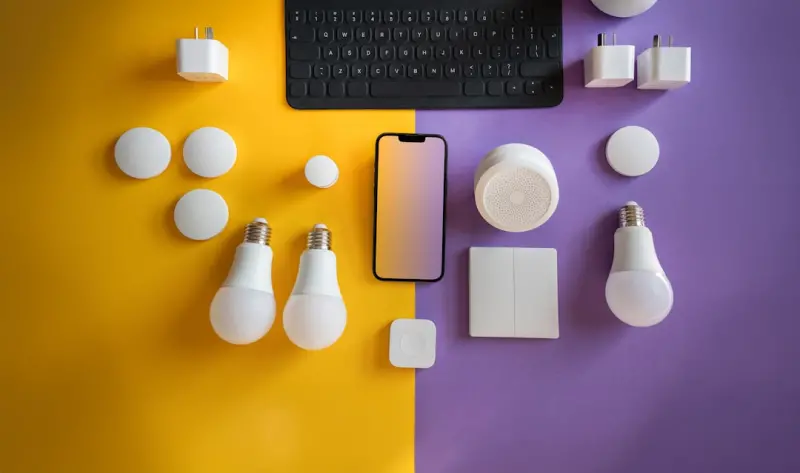
Smart Lighting Hacks to Boost Home Mood and Focus
Learn how to use layered lighting, smart bulbs, strategic furniture flow, and simple acoustic upgrad... Read More

The Art of Curating Everyday Calm: Simple Home Rituals That Stick
Learn how small, intentional tweaks—like visual anchors, micro‑zones, scent routines, and mindfu... Read More
Top Posts

Crafting a Daily At‑Home Spa: A Blueprint for Creative Calm
Discover a step‑by‑step guide to creating a calming at‑home spa that blends light, scent, sound, and sustainable practices, empowering you to reset, refoc...Read More

The Narrative Backpack: Crafting Stories That Outlast Your Trip
Discover a step‑by‑step guide to travel storytelling, from setting up a story bank before you depart to editing, monetizing, and building a community around...Read More

AI Mentorship: How Smart Coaches Are Transforming Work
AI mentors blend data‑driven insights with human empathy, scaling personalized guidance, accelerating skill development, and reshaping mentorship as an everyd...Read More

The Unseen Power of Mental Micro‑Resets in a Hyper‑Connected World
Micro‑resets—short, intentional breaks built into the workday—offer a practical, scalable way to protect mental health without sacrificing productivity....Read More
0 Comments
Post Comment
You will need to Login or Register to comment on this post!