
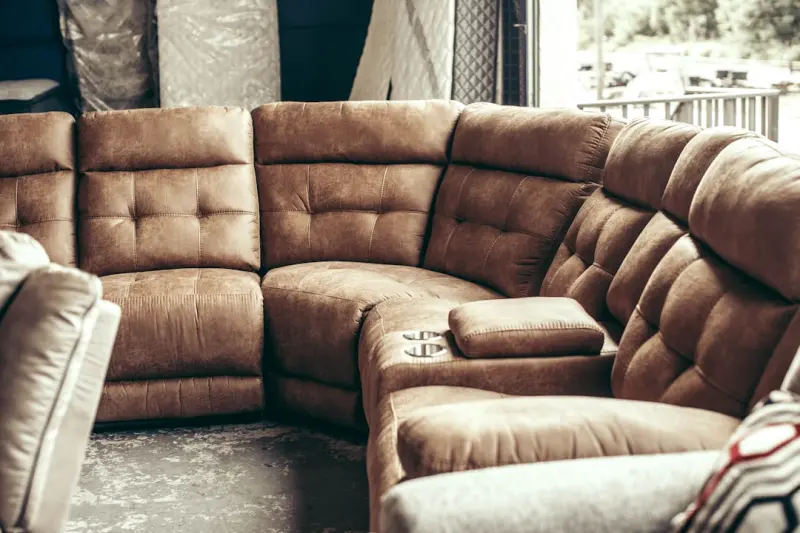
Multi‑Functional Furniture Secrets: Turn Every Corner Into a Purpose‑Built Zone
Ever walked into a room and thought, “There’s just too much empty space… but also too much clutter?” If you’ve ever felt that tug‑of‑war between wanting an open, airy feel and needing a place for everything, you’re not alone. I’m Miranda, and after years of juggling a home office, a toddler‑proofed play area, and a never‑ending collection of “just‑in‑case” gadgets, I’ve learned to treat furniture not just as static pieces, but as dynamic partners in the daily choreography of home life.
In this deep‑dive, I’ll share the strategies that transformed my cramped two‑bedroom apartment into a sleek, adaptable oasis—without breaking the bank or signing a lease for a bigger place. From convertible sofas that double as guest beds, to wall‑mounted desks that fold away when you need a yoga mat, the goal is simple: make every square foot earn its keep.
1. Start With a Purpose‑First Audit
Before you rush to buy a “miracle” piece, pause. Walk through each room with a notebook (or a notes app if you’re feeling tech‑savvy) and ask three questions:
- What activities happen here? Cooking, working, relaxing, storing?
- What’s missing? A surface for a laptop? A spot for kids’ art supplies?
- What’s surplus? A coffee table that never gets used? An extra chair that gathers dust?
This audit reveals the true function of each zone, turning vague “I need more furniture” wishes into concrete “I need a fold‑out desk that can also hold my indoor garden.” It’s a practice I call purpose‑first planning, and it’s the cornerstone of any successful smart organization tricks you’ll later employ.
2. Embrace the Power of Transformable Pieces
Transformable furniture is the Swiss Army knife of interior design. Here are my top three picks that have survived my hectic household:
2.1. The Sofa‑Bed Hybrid
Traditional sofa‑beds often feel like a compromise—uncomfortable for both sleeping and lounging. Look for models with independent backrests and a split‑section mattress. The backrests stay upright for movie nights, while the split mattress unfolds into a full‑size bed when guests stay over. Bonus: many newer designs hide storage compartments for linens, keeping everything neat.
2.2. Wall‑Mounted Drop‑Down Desks
If you crave a dedicated work surface but hate a permanent desk in the living room, a wall‑mounted drop‑down desk is a game‑changer. When not in use, it folds flat against the wall, leaving a clear floor for yoga, dance practice, or simply a clean aesthetic. Choose a model with built‑in cable management to keep the digital clutter at bay—perfect for those digital detox strategies we all need.
2.3. Nesting Tables & Stackable Stools
Nesting coffee tables can be spread out for a coffee‑catch‑up or tucked under a larger table for extra surface area during a game night. Stackable stools work similarly—they’re easy to pull out for extra seating, then nest away when not needed, freeing up floor space and keeping the visual noise low.
3. Leverage Vertical Real Estate
When floor space is at a premium, think upward. Floor‑to‑ceiling bookshelves, tall cabinets, and hanging planters free up valuable ground area while adding a sense of grandeur.
- Floor‑to‑Ceiling Shelves: Install adjustable shelves that can hold everything from books to pantry staples. The extra height not only looks sleek but also creates a “gallery” vibe for decorative items.
- Hanging Storage Baskets: Use sturdy rope or metal brackets to suspend woven baskets beneath a high shelf. Ideal for storing scarves, toys, or even weekly grocery bags.
- Floating Nightstands: A slim, wall‑mounted nightstand frees the area beside the bed for a quick stretch or a pet’s sleeping spot.
Remember to anchor heavy items securely to avoid any unexpected “gravity moments.”
4. Multi‑Use Zones: Blend Functions Seamlessly
Instead of strict, single‑purpose rooms, design multi‑use zones. Here’s how to blend work, play, and relaxation without chaos:
4.1. The “Work‑Play” Corner
Place a compact desk opposite a low, sturdy bookshelf that doubles as a storage unit for board games, art supplies, and office files. A rolling chair can slide under the desk when you’re not working, freeing up floor space for a quick LEGO build or a yoga session.
4.2. Kitchen Island That Doubles as a Homework Hub
If you have a kitchen island with a built‑in power strip, add a small, portable lap‑desk on top during homework time. The island’s natural lighting and high‑traffic location keep kids motivated, while the same surface serves as a prep area for dinner later.
4.3. Living‑Room “Reading Nook” That Turns Into a Guest Bed
Install a low, upholstered daybed with a pull‑out trundle. By day, it’s a cozy reading spot with plush pillows and a side lamp. At night, the trundle slides out, providing a comfortable sleeping surface for overnight guests.
5. Smart Storage Solutions That Hide, Not Reveal
Clutter is the enemy of a functional home. Here are three stealthy storage ideas that keep eyes on the design, not the mess:
- Ottoman with Hidden Compartment: Choose an ottoman that opens to store blankets, remote controls, or even a small first‑aid kit.
- Under‑Bed Drawers: Glide low‑profile drawers beneath the bed for seasonal clothing or spare linens. Opt for wheels for easy access.
- Built‑In Bench Seating: A bench with a lift‑top in the entryway doubles as a shoe rack and a spot to drop bags when you arrive home.
These solutions let you maintain a clean aesthetic while keeping essentials within arm’s reach.
6. Choose Materials That Wear Well and Look Good
Durability is crucial when furniture is expected to perform multiple roles. Here’s a quick cheat‑sheet:
- Fabric: Look for performance blends that resist stains and fading. Microfiber and polyester‑cotton mixes are surprisingly soft yet easy to clean.
- Wood: Opt for engineered hardwood or bamboo for a lightweight yet sturdy option. They handle the weight of fold‑out desks better than solid oak, which can be heavy to move.
- Metal: Powder‑coated steel frames resist rust and can support heavier loads—great for wall‑mounted desks or hanging storage.
- Glass: Tempered glass tops add an airy feel and are easy to wipe down, but pair them with a sturdy base to prevent wobbling.
7. Lighting: Set the Mood Without Competing for Space
Good lighting can make a modest room feel expansive. Rather than bulky floor lamps, consider:
- LED Strip Lights: Install under cabinet edges or behind floating shelves for ambient glow.
- Wall‑Mounted Swing‑Arm Lamps: Adjustable directionality lets you focus light where you need it—perfect for a drop‑down desk.
- Smart Bulbs: Use app‑controlled bulbs to shift from a bright work setting to a warm, relaxing evening ambiance with a single tap.
8. Maintain Flexibility With Easy‑Swap Accessories
Accessories are the low‑commitment way to test new layouts. Swap out cushions, throws, and rugs seasonally to give rooms a fresh vibe without buying new furniture. Keep a small basket of “transformation tools” (like extra hooks, small brackets, and a set of lightweight brackets) that let you re‑configure a space in minutes.
9. The Psychological Edge: A Home That Adapts Reduces Stress
When your environment responds to your needs, you experience less friction in daily routines. Research shows that adaptable spaces reduce decision fatigue and boost overall well‑being. By investing in furniture that can shift roles, you’re also investing in mental clarity—something I’ve personally felt after turning my chaotic hallway into a sleek coat‑and‑shoe station that also serves as a mini‑gallery for family photos.
10. Putting It All Together: A Sample Floor Plan
Below is a simplified example of how you could arrange a 500‑sq‑ft studio using the principles discussed:
- Entrance: Floating bench with hidden storage, a slim wall‑mounted coat rack.
- Living Area: Convertible sofa‑bed with built‑in storage, nesting coffee tables, floating shelves for books and décor.
- Work Zone: Wall‑mounted drop‑down desk opposite a floor‑to‑ceiling bookshelf, a rolling chair that slides under the desk.
- Kitchen: Island with power strip, portable lap‑desk for homework, under‑counter pull‑out pantry.
- Sleep Nook: Daybed with trundle tucked into a corner, flanked by a tall floor lamp with smart bulb.
Each piece serves at least two functions, creating a fluid environment that feels spacious despite the modest footprint.
Final Thoughts: Your Home, Your Canvas
At the end of the day, the goal isn’t to buy the most expensive modular sofa or the flashiest tech gadget. It’s to curate a living environment that bends to your lifestyle, not the other way around. By starting with a purpose‑first audit, selecting transformable furniture, maximizing vertical space, and weaving in smart storage, you’ll discover that even the smallest apartments can feel like expansive, well‑organized sanctuaries.
Give yourself permission to experiment—move a chair, swap a lamp, fold out a desk. The beauty of multi‑functional furniture is that it invites playfulness, and that playfulness translates into a home that feels alive, adaptable, and ultimately, yours.

Miranda Murphy: Experienced freelance writer with a decade of storytelling expertise. Let's create something amazing together!
Related Posts
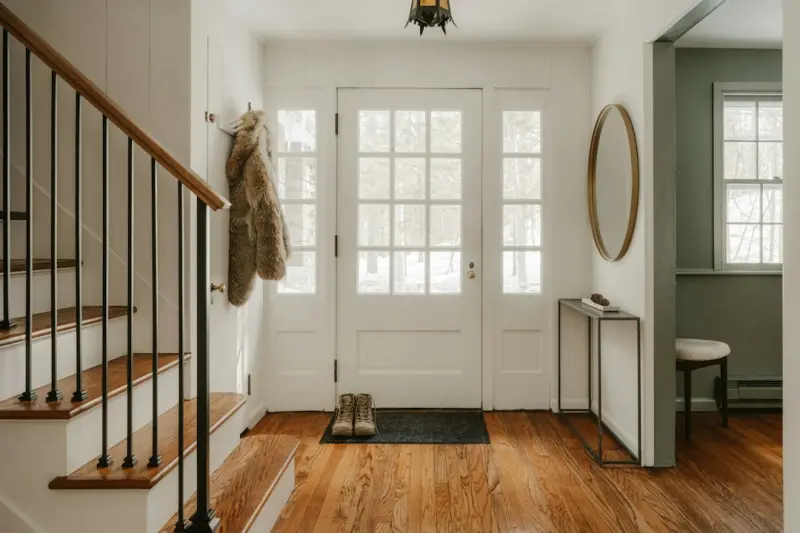
Transform Your Entryway into a Stylish First Impression
A step‑by‑step guide to revamping your hallway, from decluttering and zoning to lighting, mirror... Read More

Transform Your Entryway into a Curated Gallery That Welcomes and Inspires
A step‑by‑step guide shows how to declutter, zone, light, and decorate your entryway like a mini... Read More

Eco‑Friendly Home Hacks for Everyday Living
Explore a collection of low‑cost, high‑impact home hacks—from the three‑box declutter method... Read More
Top Posts
Generative AI as a Catalyst for Inclusive Decision‑Making
Discover how generative AI can serve as a transparent moderator, surfacing under‑represented viewpoints and fostering inclusive decision‑making in distribut...Read More
Jimmy Damon’s Garden Desk Revolution: How Green Workspaces Are Redefining Home & Garden Living
Jimmy Damon shares his garden desk transformation, blending nature with work to boost productivity and wellness, and offers practical steps to create your own g...Read More

Revamp Your Home for Calm, Efficiency, and Joy
A practical guide using modular storage, scent cues, and rhythmic programming to turn any home into a calm, efficient, and joy‑filled space....Read More

Beyond the Itinerary: Crafting Community‑Centric Travel Experiences
Discover a fresh travel model that transforms trips into collaborative, purpose‑driven experiences, fostering professional growth and authentic local connecti...Read More
0 Comments
Post Comment
You will need to Login or Register to comment on this post!