
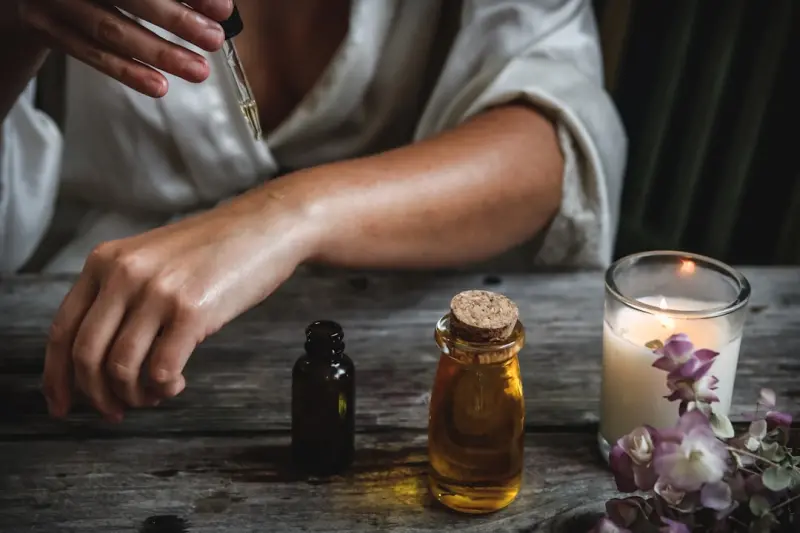
When I first stood in front of my bathroom mirror, toothbrush in one hand and a half‑filled jar of lavender oil in the other, I realized I was treating my daily routine like a checklist rather than a ceremony. The moment I shifted my mindset from “getting things done” to “crafting a moment for myself,” everything changed. Personal care isn’t just about looking polished; it’s a multisensory experience that can reset our nervous system, sharpen focus, and even boost creativity. Below, I walk you through a fresh, science‑backed framework for turning everyday grooming into a truly regenerative practice.
Why Personal Care Needs a Sensory Upgrade
Most of us think of personal care as a series of tasks—shaving, brushing, moisturizing—each performed in isolation. But our brains are wired to respond to combined sensory cues. When sight, sound, scent, and touch align, the brain releases a cascade of neurotransmitters that lower cortisol and enhance dopamine, creating a subtle but powerful mood lift.
Think about the last time you stepped into a spa. The dimmed lighting, the gentle hum of water, the faint citrus aroma, and the warm massage table all work together to signal safety and relaxation. That same orchestration can happen in your own bathroom, at your desk, or even in a tiny corner of your living room. The key is intentionality: choose elements that resonate with you and weave them into the rhythm of your day.
Mapping Your Personal Care Ecosystem
Start by auditing the five senses:
- Vision: What colors and lighting do you gravitate toward? Soft blues, muted greens, or warm amber tones can cue calm or focus.
- Sound: Do you prefer quiet, white noise, or low‑key instrumental tracks?
- Smell: Which fragrances spark joy or tranquility? Citrus, lavender, sandalwood, or perhaps a hint of rosemary?
- Taste: While not a typical grooming factor, sipping herbal tea or infused water while you prep can reinforce hydration habits.
- Touch: Texture matters—from the weight of a ceramic mug to the plushness of a towel.
When you map these preferences, you’ll notice patterns that guide the design of your personal care sanctuary. For instance, I discovered that a cool, blue‑hued LED strip in my bathroom mirrors my preference for calm, while a subtle citrus diffuser keeps my mind alert during morning routines.
Designing a Personal Care Sanctuary
Creating a space that honors your sensory map doesn’t require a full renovation. Small, thoughtful adjustments can make a world of difference:
- Lighting: Swap harsh overhead fluorescents for a warm, dimmable source. A simple ambient light upgrade can transform the vibe from clinical to comforting.
- Soundscape: Curate a playlist of low‑tempo instrumental tracks or ambient nature recordings. Keep a Bluetooth speaker on a timer so the music fades as you finish your routine, signaling the transition back to work mode.
- Fragrance: Use a refillable essential oil diffuser or a scented candle with a timer. Rotate scents seasonally to keep the experience fresh.
- Texture: Invest in high‑quality towels, a soft brush, and a matte‑finished countertop mat. The tactile feedback from these items tells your brain “this is a moment of care.”
- Hydration Boost: Place a glass of infused water—think cucumber‑mint or lemon‑ginger—within arm’s reach. The act of sipping reinforces the habit of staying hydrated.
These tweaks are low‑cost, high‑impact, and easily reversible if you decide to experiment further.
Tech‑Enhanced Touch: Wearables and Smart Tools
While many personal care hacks focus on analog methods, the rise of wearable tech offers an unexpected ally. Skin‑conductance sensors, for example, can detect changes in moisture levels, prompting you to adjust your routine in real time. Imagine a smart mirror that lights up when your skin’s hydration drops below a threshold, or a wristband that vibrates to remind you to practice a quick facial massage.
These devices are not about turning grooming into a data‑driven obsession. Instead, they provide subtle nudges that keep you attuned to your body’s needs, reducing the guesswork that often leads to over‑ or under‑exfoliation.
Aromatic Alchemy: The Science of Scent in Personal Care
Scent is the most direct route to the limbic system, the brain region that processes emotions and memory. By pairing specific aromas with certain grooming actions, you can create conditioned responses that make each step more rewarding.
- Morning Wake‑Up: Citrus blends (orange, grapefruit) stimulate the reticular activating system, sharpening alertness.
- Mid‑Day Reset: Peppermint or eucalyptus can revitalize mental clarity, perfect for a quick post‑lunch facial mist.
- Evening Unwind: Lavender, chamomile, or sandalwood lower heart rate and prepare the nervous system for sleep.
For an extra layer of personalization, try layering scents: a base of cedarwood with top notes of bergamot can create a sophisticated, grounding aroma that persists through a longer grooming session.
Integrating Breathwork for Deeper Calm
Even the most elaborate sensory set‑up falls short if breathing remains shallow. Simple breath exercises can amplify the calming effects of your personal care ritual. A technique I love is the 4‑7‑8 pattern: inhale for four counts, hold for seven, exhale for eight. Pair this with a gentle facial massage, and you’ll notice an immediate dip in tension.
If you need a quick refresher on the mechanics, the guide on breathing for health breaks it down in under five minutes.
Rituals for the Modern Professional
Many of us juggle tight schedules, making it tempting to skip personal care in favor of work tasks. Yet, a brief, intentional ritual can serve as a productivity catalyst. Here’s a five‑minute “Power‑Prep” routine that works even on the busiest mornings:
- Hydration Kick‑Start: Drink a glass of warm lemon water while the shower warms up.
- Light Cue: Turn on a blue‑hued LED strip for 30 seconds—this signals your brain to transition from sleep to alertness.
- Scent Activation: Spray a light mist of citrus essential oil onto a cotton pad and gently swipe it across your wrists and behind your ears.
- Touch Reset: Use a jade roller or gua sha stone for 60 seconds on the jawline and temples, applying gentle upward pressure.
- Breath Sync: Finish with a single round of 4‑7‑8 breathing, eyes closed, visualizing the day ahead.
These micro‑rituals take under ten minutes but create a cascade of neurochemical signals that prime you for focus, creativity, and calm.
Putting It All Together: A Sample Day
Below is a snapshot of how a fully integrated sensory personal care plan might look from dawn to dusk.
- 6:30 AM – Wake‑Up: Dim amber lighting, a soft acoustic playlist, and a diffuser releasing fresh‑cut grass scent. Follow with a quick face cleanse using a foaming cleanser enriched with botanical extracts.
- 7:00 AM – Pre‑Work: Sip a cucumber‑mint infused water while applying a lightweight serum. Engage the 4‑7‑8 breathwork technique to settle any residual grogginess.
- 12:30 PM – Mid‑Day Reset: Step away from the desk, activate a portable essential oil roller with peppermint, and perform a 2‑minute scalp massage using fingertips. This boosts circulation and mental clarity.
- 5:00 PM – Transition: As you finish work, dim the lights to a cooler blue tone, play a short nature sound loop, and do a quick facial massage with a silicone tool to release tension built up from screen time.
- 9:00 PM – Wind‑Down: Light a vanilla‑sandalwood candle, switch to a warm, low‑intensity lamp, and follow a calming skin‑care routine that includes a moisturizing balm and a brief gratitude journaling session.
Notice the consistent thread: each phase blends sight, sound, scent, touch, and breath. This cohesion trains your nervous system to associate personal care with both rejuvenation and performance.
Common Pitfalls and How to Avoid Them
Over‑Complicating the Routine – It’s easy to get carried away with gadgets and products. Start with one sensory element, master it, then layer additional cues.
Neglecting Consistency – The brain’s reward pathways need repetition. Aim for at least three consistent touchpoints per day to embed the habit.
Choosing Incompatible Scents – Some aromas can clash or become overwhelming. Stick to a limited palette (one base, one top note) and rotate seasonally.
Ignoring Personal Preference – What soothes one person may irritate another. Conduct quick self‑experiments: try a scent for a week and note mood changes before committing.
Future‑Facing Personal Care: The Role of Data
While I’m not advocating for a full‑blown quantified self approach, integrating light, sound, and scent data into a single dashboard can highlight patterns you’d otherwise miss. For instance, linking your smart mirror’s hydration alerts with the time you set your diffuser can reveal optimal scent‑hydration pairings for peak productivity.
Remember, the goal isn’t to become a data‑driven robot but to use subtle feedback loops that make your routine feel effortless and rewarding.
Final Thoughts
Personal care is an invitation to meet yourself where you are and gently guide your body and mind toward balance. By treating your routine as a multisensory experience—leveraging light, sound, scent, touch, and breath—you can transform a mundane chore into a regenerative ritual. Start small, stay consistent, and watch how these intentional moments ripple through your day, enhancing focus, creativity, and overall wellbeing.

Melanie Wilson, Freelance writer with a flare for everything. I am passionate about topics I write crafting stories and compelling content that connect with audiences. Journeying through the realms of creativity as a freelance creator. #WriterLife #ContentCreator
Related Posts

The Unseen Power of Sensory Micro‑Rituals in Everyday Personal Care
A deep dive into the world of sensory micro‑rituals—simple, bite‑size actions that leverage li... Read More

Layered Sensory Self‑Care: Turning Everyday Moments into a Wellness Ritual
Explore a fresh approach to personal care by layering tactile, auditory, and olfactory cues, turning... Read More

Sustainable Bathroom Makeover: Reducing Waste One Shelf at a Time
A step‑by‑step guide to overhaul your bathroom, replace single‑use containers with refillable ... Read More
Top Posts

The Secret to a Clutter‑Free Kitchen That Saves Time and Money
A step‑by‑step guide to transforming chaotic kitchen drawers into efficient, stress‑free spaces, complete with smart storage hacks, tech tips, and a quick...Read More

Crafting a Portfolio Career: Balancing Multiple Income Streams in a Fluid Job Market
Learn how to design a portfolio career that blends flexibility, financial security, and personal fulfillment. Follow practical steps to curate skills, manage mu...Read More

Unlocking Growth: How Internal Talent Marketplaces Redefine Modern Employment
Internal talent marketplaces transform static job roles into fluid, project‑based opportunities, driving faster innovation, higher employee engagement, and lo...Read More

The Rise of Portfolio Careers: Crafting a Flexible, Future‑Proof Work Life
Explore the booming trend of portfolio careers, where juggling multiple part‑time roles creates flexibility, diverse skillsets, and a resilient professional f...Read More
0 Comments
Post Comment
You will need to Login or Register to comment on this post!