

Why Breath Matters More Than You Think
When I first moved into my downtown loft, the city’s rhythm felt like a relentless drumbeat—honking horns, perpetual chatter, the buzz of neon. I tried everything to find calm: candles, playlists, even a micro‑ritual of five‑minute face‑mask evenings. Nothing stuck. It wasn’t until I started paying attention to something as simple as the air moving in and out of my lungs that the city’s clamor began to feel less like an attack and more like a backdrop.
The Science Behind a Conscious Breath
Modern physiology tells us that breathing isn’t just a mechanical exchange of oxygen and carbon dioxide; it’s a gateway to the autonomic nervous system. When we breathe shallowly and quickly—what scientists call “sympathetic breathing”—our body releases cortisol, the stress hormone, and we’re primed for fight or flight. Conversely, a slow, diaphragmatic breath activates the parasympathetic branch, the “rest‑and‑digest” mode, lowering heart rate and signaling the brain that it’s safe to let go.
What’s fascinating is how quickly this switch can happen. A study from the Journal of Clinical Psychology demonstrated that just four minutes of paced breathing (five seconds in, five seconds out) reduced participants’ self‑reported anxiety by 30 %. That’s a measurable shift you can feel in the span of a coffee break.
Urban Breathwork: A Practical Toolkit
Below is a “starter kit” I’ve assembled for anyone who lives amidst concrete, traffic, and the perpetual hum of city life. The exercises are low‑key, require no special equipment, and can be done at a desk, on a balcony, or even in a subway car (as long as you’re comfortable with a few curious glances).
- The Box Breath – Inhale for four counts, hold for four, exhale for four, hold again for four. Repeat for two minutes. This simple square rhythm creates a natural pause that resets your nervous system.
- 4‑7‑8 Technique – Inhale through the nose for a count of four, hold for seven, exhale through the mouth for eight. The longer exhale triggers a deeper parasympathetic response.
- Ambient Resonance – Pair your breath with the subtle sounds of the city—distant sirens, the hiss of a train, a distant saxophone. Sync your inhale with a low hum and your exhale with a higher pitch. This creates a rhythm that feels both grounded and expansive.
In my own practice, I alternate between the Box Breath during high‑stress meetings and the 4‑7‑8 technique before bedtime. The results have been unmistakable: fewer mid‑day crashes, smoother transitions into sleep, and a subtle sense that the city’s noise no longer feels invasive.
Integrating Breath with Modern Tech
Technology can feel like a double‑edged sword for wellness, but when used mindfully it becomes a catalyst rather than a distraction. I’ve been experimenting with smart mirrors that project gentle breathing guides onto the glass while you brush your teeth. The visual cue—an expanding and contracting line—keeps your breath slow and steady without you having to think about it.
Wearable sensors, too, have evolved beyond simple step counters. Modern devices can track respiration rate, heart‑rate variability (HRV), and even skin temperature—all markers of stress. When your HRV dips below a personalized threshold, your watch vibrates, reminding you to take a breath pause. This bio‑feedback loop turns the abstract concept of “relaxation” into a concrete, actionable moment.
Breathing Into Community Spaces
One of my most rewarding experiments has been bringing breathwork to shared environments—a coworking space, a community garden, even a local laundromat. I started a monthly “Breathe & Connect” hour where we gathered for ten minutes of guided breathing before diving into our work or chores. The result? A palpable sense of camaraderie, a shared pause that broke the isolation many of us feel in bustling urban settings.
These sessions also open a door to deeper conversations about mental health, stress management, and personal boundaries. When you see a colleague exhale slowly and feel their shoulders relax, you’re reminded that everyone carries invisible weight, and a simple breath can be a silent offering of support.
From Breath to Nutrition: The Synergy of Air and Food
Breathing isn’t isolated from the rest of our bodily systems. The same diaphragm that moves air also assists in digestion. A relaxed diaphragm improves the function of the vagus nerve, which in turn enhances gut motility and nutrient absorption. This is why many yogis report feeling lighter after a deep breathing session, even before eating.
When I pair a breath practice with a mindful meal—slowly inhaling, exhaling, and chewing each bite—I notice a difference in satiety. My body seems to recognize the nourishment more fully, reducing the tendency to overeat. This synergy is especially valuable for city dwellers who often rely on fast, processed foods.
Creating a Breath‑Friendly Environment at Home
Even the smallest changes to your living space can amplify the benefits of breathwork:
- Air Quality – Invest in a compact air purifier or a few houseplants known for air‑cleaning properties (like snake plant or peace lily). Cleaner air makes each inhalation more soothing.
- Temperature – Keep the room slightly cooler (around 68‑70 °F). A cooler environment encourages slower, deeper breaths.
- Lighting – Use warm, dimmable lights in the evening to signal your body that it’s time to unwind, complementing your nighttime breath routine.
These tweaks may seem minor, but they create a feedback loop: a calm environment supports a calm breath, which in turn reinforces a calm environment.
Breath as a Bridge to Mindful Movement
If you already enjoy walking, jogging, or yoga, integrating breath cues can elevate the experience. For instance, while walking through a city park, sync each step with a subtle inhale‑exhale pattern—inhale for two steps, exhale for two. This not only improves oxygen flow but also anchors you to the present moment, turning a routine stroll into a moving meditation.
In yoga studios, instructors often emphasize “Ujjayi” or “victorious breath.” The sound created by gently constricting the throat serves as an audible reminder to stay within the breath’s rhythm, deepening both stretch and focus.
Overcoming Common Barriers
Many people dismiss breathwork because they assume they need to sit cross‑legged on a cushion for hours. The truth is, breath is always available—no special attire, no subscription, no quiet room required. Below are three typical excuses and how to dismantle them:
- “I’m too busy.” – Insert a two‑minute Box Breath at the start of any meeting. It’s a micro‑investment with macro‑returns.
- “I feel silly breathing out loud.” – Remember, you’re not performing for an audience. Even a silent diaphragmatic breath offers the same physiological benefits.
- “I don’t know if it works for me.” – Try a simple experiment: track your stress levels (using a journal or an app) before and after a week of daily 4‑7‑8 sessions. The data will speak for itself.
The Long‑Term Payoff
Consistent breath practice doesn’t just calm the moment; it reshapes the nervous system over time. Neuroplasticity, the brain’s ability to rewire itself, responds to repeated patterns. By regularly engaging the parasympathetic pathway, you’re training your brain to default to calm rather than chaos.
Long‑term benefits reported by dedicated practitioners include:
- Reduced baseline cortisol levels
- Improved focus and cognitive clarity
- Lower blood pressure and better cardiovascular health
- Enhanced emotional regulation, making conflict resolution smoother
These outcomes align perfectly with the broader health goals many of us chase—better sleep, sustained energy, and a resilient mind.
Putting It All Together: A Sample Day
Here’s how I weave breath into my typical weekday, without feeling like I’m adding another item to my to‑do list:
- Morning Arrival – While waiting for the elevator, I practice a quick Box Breath (2 minutes). It sets a calm tone before the inbox flood.
- Mid‑Morning Check‑In – My smartwatch vibrates, indicating a dip in HRV. I pause, inhale for four, hold for seven, exhale for eight.
- Lunch Break – I step onto the rooftop garden, do a five‑minute ambient resonance session, syncing breath with distant traffic hums.
- Afternoon Slump – A quick 30‑second inhale‑hold‑exhale cycle at my desk revives my focus without disrupting workflow.
- Evening Unwind – In the living room, a smart mirror displays a gentle breathing wave. I mirror it, then transition to a slow dinner, chewing each bite mindfully.
- Nighttime Routine – Before lights out, I dim the lights, set the room temperature, and end with a final 4‑7‑8 session to cue my body for restorative sleep.
This rhythm feels almost invisible—like a hidden current flowing beneath the surface of daily life. Yet, the cumulative effect is profound: I’m less reactive, more present, and surprisingly more creative.
Final Thoughts: Breathing as a Lifestyle Choice
In a world that constantly pushes us toward “more”—more data, more meetings, more notifications—breath reminds us to be less. It’s a free, portable tool that works anywhere, anytime. By treating breath not as a fleeting technique but as a lifestyle habit, we grant ourselves permission to pause, reset, and thrive amidst the urban hustle.
If you’re curious about expanding this practice, consider pairing it with other personal‑care rituals you already love. Whether it’s a home spa ritual or a brief walk through a neighborhood park, the synergy will amplify your sense of well‑being.
Take a deep breath now. Feel the air fill your lungs, expand your chest, and gently release. That simple act is the first step toward a healthier, more centered you.

When it comes to the world of blogging and writing, Rose DesRochers is a name that stands out. Her passion for creating quality content and connecting with her audience has made her a trusted voice in the industry. Aside from her skills as a writer and blogger, Rose is also known for her compassionate nature.
Related Posts

Unlocking the Power of Rest: A Data‑Driven Approach to Better Sleep
Learn how to transform your nightly rest with evidence‑based environmental tweaks, mindful pre‑s... Read More
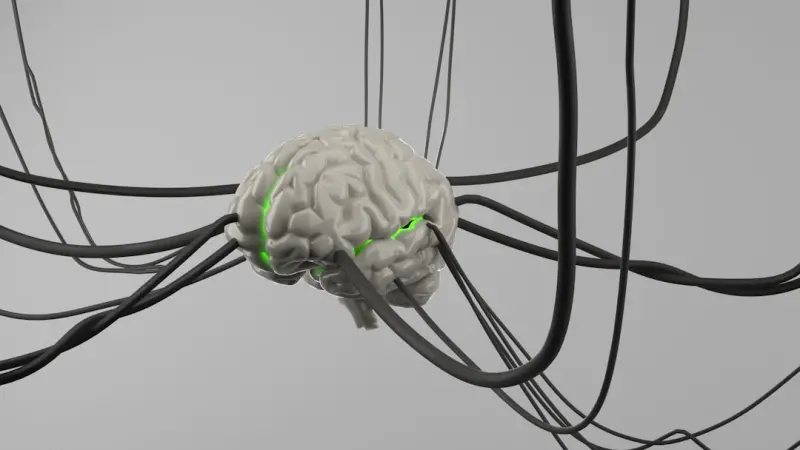
Micro‑Movement: The Tiny Habit That Supercharges Your Brain
Micro‑movement—brief, intentional motions performed throughout the workday—offers a powerful a... Read More
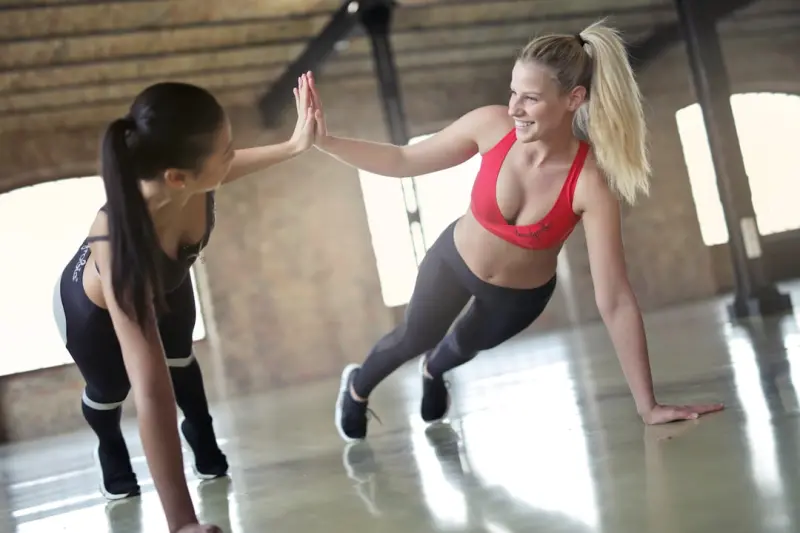
Micro‑Movement Healing: Tiny Exercise Bursts for Big Health Benefits
Learn how integrating tiny, frequent movements into daily routines can improve circulation, mental c... Read More
Top Posts

Pocket‑Sized Adventures: How Tiny Towns Deliver Big Experiences
Explore the rise of pocket‑sized travel, where tiny towns offer authentic experiences, deeper connections, and sustainable benefits—plus practical tips for ...Read More

Recalibrating Your Body Clock: A Fresh Take on Circadian Health
Discover practical, science‑backed ways to sync your internal clock, boost energy, and improve overall health by mastering light, timing, and lifestyle tweaks...Read More
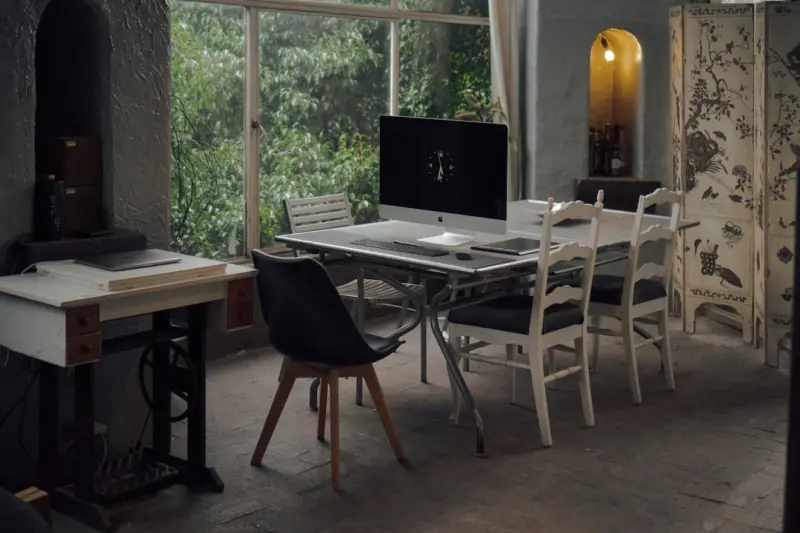
Upcycled‑Furniture Home Office: Turning Second‑Hand Finds Into a Productivity Hub
Discover a step‑by‑step plan to create a high‑performing home office using reclaimed furniture. From sourcing pieces to ergonomic setup, this guide blends...Read More

Harvesting Calm: Build a Healing Herb Garden at Home
Learn to turn any outdoor space into a therapeutic herb garden, blending sensory design, sustainable techniques, and simple wellness routines for everyday calm....Read More
0 Comments
Post Comment
You will need to Login or Register to comment on this post!